High-Performance mica muscovite Solutions for Egypt's Industrial Sector

Premium non-metallic mineral derivatives engineered for thermal insulation and electrical stability in the Egyptian manufacturing landscape.

High-Performance mica muscovite Solutions for Egypt's Industrial Sector

Providing advanced mineral processing solutions tailored to the rigorous demands of the Egyptian non-metallic mineral industry, ensuring superior dielectric properties and heat resistance.

Current State of Non-Metallic Mineral Manufacturing in Egypt

Analyzing the integration of mica-based minerals in Egypt's industrial infrastructure.

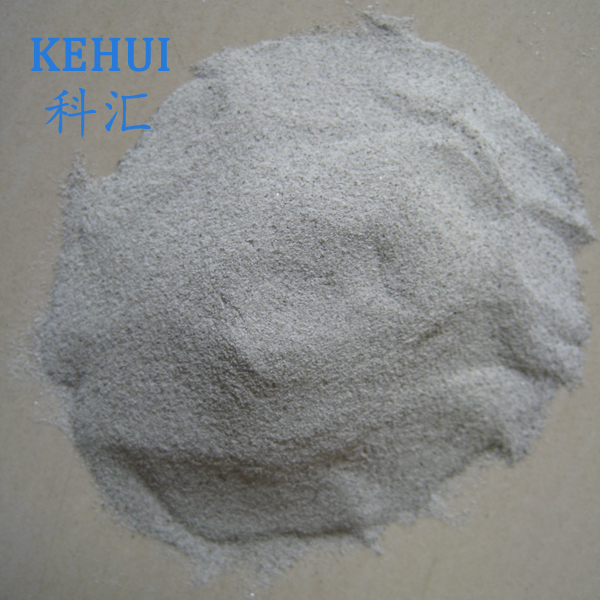
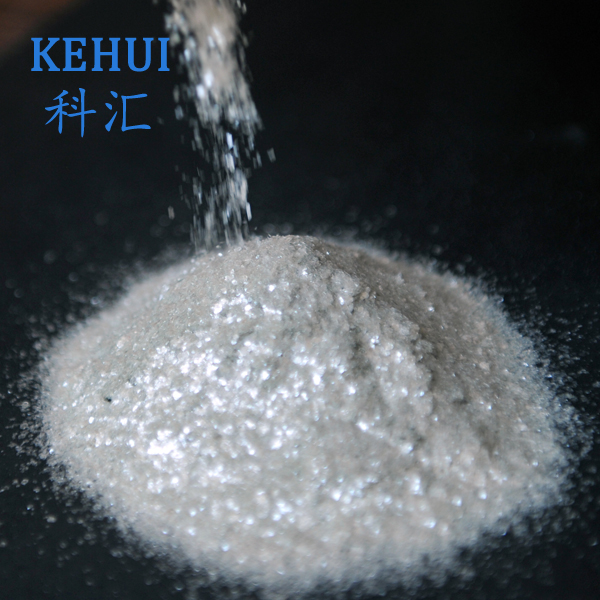
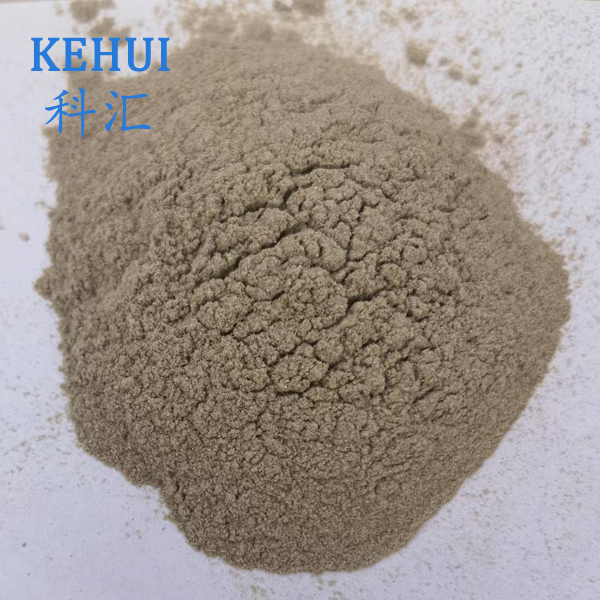
Egypt's manufacturing sector is currently navigating a transition toward higher precision materials. The demand for mica powder has surged due to the expansion of the local construction and automotive paint industries, where thermal stability is critical given the region's extreme desert heat.

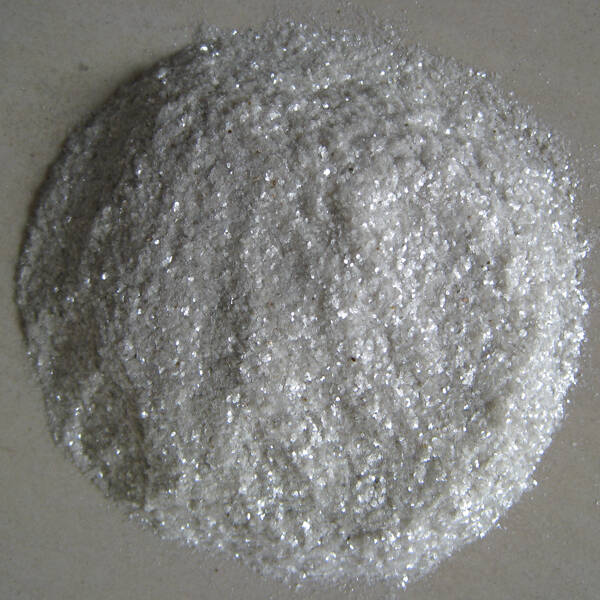
However, the local market often struggles with consistency in particle size distribution. Many Egyptian firms rely on imported mica flake to meet the strict specifications required for high-voltage electrical insulation and reinforced plastics used in urban infrastructure projects.

The economic shift toward diversifying the industrial base in Cairo and Alexandria has created a gap for high-purity minerals. There is a growing necessity for standardized mica coarse materials that can withstand the alkaline environments typical of Egyptian soil and industrial wastewater.
Evolution and Trajectory of Mica Processing

From traditional mining to precision engineered mineral products.

Market Development History

In the early 2000s, the Egyptian market focused primarily on raw mineral extraction with basic crushing techniques. Products were largely ungraded, serving only low-end filler applications in ceramics.

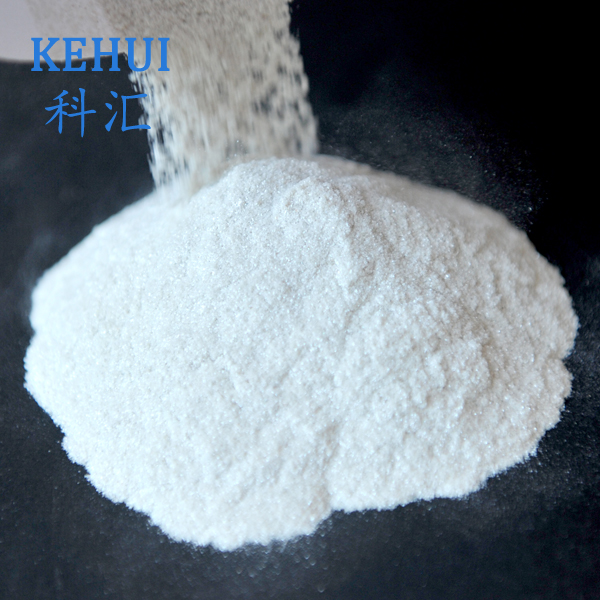
Between 2010 and 2020, the adoption of air-classification and micronization technology allowed for the production of specialized muscovite sheet, moving the industry from bulk supply to functional material engineering.

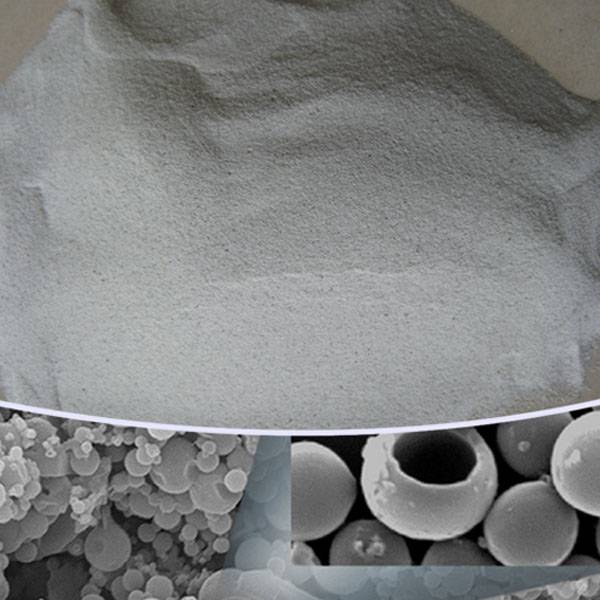
Currently, the focus has shifted toward "chemical purity" and "morphological control," where the exact aspect ratio of the mineral particles is optimized for specific industrial rheology and insulation benchmarks.

Future Development Trends

Nano-Scale Mineral Integration

The trend is moving toward ultra-fine particles to improve the mechanical strength of composite materials used in Egypt's growing renewable energy sector.

Sustainable Extraction Processes

Implementing closed-loop water systems in mineral processing to combat water scarcity in the Nile Delta region.

High-Temperature Hybrid Composites

Developing hybrid minerals that combine mica with other silicates to enhance thermal shock resistance for industrial kilns.

Industry Trends and Future Outlook

Predicting the shift in non-metallic mineral demands for the next 3-5 years.

Smart Coating Integration
Increased use of mica in heat-reflective coatings to reduce energy consumption in Egyptian urban buildings.
EV Battery Insulation
Growth in electric vehicle components requiring specialized dielectric mica layers for battery safety.
Industrial Automation
Demand for high-purity muscovite in sensor housings and precision electronic circuitry.
Green Construction
Utilizing mineral flakes in eco-friendly cement additives for better crack resistance in hot climates.

Industry Outlook

Based on Google Search Trends, queries for "industrial mineral additives" and "high-temperature insulation" are increasing in the MENA region. This suggests a pivot toward high-value-added non-metallic products over bulk raw materials.

The Egyptian market is expected to integrate more automated quality control systems, ensuring that every batch of mineral powder meets international ASTM or ISO standards to facilitate export growth.

Localized Application Scenarios in Egypt

How mica-based minerals solve specific regional industrial challenges.

1. Desert-Grade Heat Reflective Paints

Using mica powder as a functional filler in exterior coatings for buildings in New Cairo to reflect UV radiation and reduce indoor cooling costs.

2. High-Voltage Transformer Insulation

Application of muscovite sheet in electrical substations across the Nile Delta to prevent dielectric breakdown under extreme humidity and heat.

3. Reinforced Industrial Flooring

Integrating mica flake into epoxy resins for heavy-duty factory floors in Alexandria's industrial zones to enhance abrasion resistance.

4. High-Temperature Furnace Linings

Utilizing mica coarse particles in the manufacturing of refractory bricks for Egypt's steel and glass smelting plants.

5. Automotive Brake Pad Composites

Using processed muscovite in the friction material production for local automotive assembly plants to ensure stability during high-temperature braking.

Brand Story

Global Development Journey of Shijiazhuang Rijia Import and Export Trade Co., Ltd.

Foundational Excellence

Established with a vision to bridge the gap between raw mineral extraction and high-end industrial application, focusing on purity and precision.

Technological Breakthrough

Investment in advanced micronization and purification lines to solve the pain point of inconsistent particle size in non-metallic minerals.

Global Market Expansion

Expanding our footprint into Africa and the Middle East, tailoring mineral specifications to suit the unique climatic challenges of Egypt.

Quality Certification

Achieving international certifications to ensure our muscovite products meet the strictest dielectric and thermal requirements globally.

Future-Proofing Industry

Committed to sustainable sourcing and the development of nano-mica composites for the next generation of industrial electronics.

Comprehensive Mineral Portfolio for Egypt

A full range of high-purity non-metallic mineral products designed for the Egyptian market.

Egyptian Industrial FAQ

Common technical queries regarding mica applications in the local manufacturing sector.

How does mica powder improve paint durability in Egyptian climates?

Mica particles create a plate-like barrier that reduces moisture permeability and reflects UV rays, preventing paint peeling and fading caused by intense solar radiation.

What is the difference between mica flake and muscovite sheet for insulation?

Mica flake is a granular form used in composites and coatings, whereas muscovite sheet is a continuous thin layer used for high-voltage electrical separation and thermal gaskets.

Can mica coarse be used in Egyptian refractory brick production?

Yes, coarse particles provide excellent structural stability and thermal shock resistance, which is essential for the high-temperature kilns used in local cement and steel plants.

Which grade of mica muscovite is best for electrical capacitors?

High-purity, low-iron muscovite is recommended to ensure minimum dielectric loss and maximum voltage breakdown strength.

How to prevent agglomeration of mica powder during mixing?

We recommend using high-shear mixers or specific dispersing agents to ensure a uniform distribution of the plate-like particles in the resin or paint matrix.

Is muscovite sheet resistant to chemicals used in Egyptian factories?

Muscovite is chemically inert to most acids and alkalis, making it an ideal insulator in corrosive industrial environments.

Request Technical Specifications

Our engineers are ready to provide customized mineral solutions for your projects in Egypt.

Contact Us Now

If you are interested in our products, you can choose to leave your information here, and we will be in touch with you shortly.