
Sep . 23, 2025 00:45
Back to list
High Whiteness Wet Ground Mica Powder for Plastics | Reinforce & Brighten
Industry Trends in Polymer Reinforcement and Fillers
The global plastics industry is experiencing a dynamic shift, driven by demands for enhanced performance, lightweighting, and sustainability. As manufacturers strive to optimize material properties while reducing costs, the role of functional fillers and reinforcements has become increasingly critical. Current industry trends highlight a significant move towards high-performance additives that offer multi-functional benefits, transcending basic volume displacement. Key areas of growth include automotive, where lightweight composites improve fuel efficiency; construction, requiring durable and weather-resistant materials; and electronics, demanding superior electrical insulation and thermal management. The pursuit of finer particle sizes, improved surface treatments, and tailored material properties is paramount, leading to a rising demand for specialized fillers like mica. Specifically, the market is favoring materials that contribute to enhanced mechanical strength, dimensional stability, thermal resistance, and electrical insulation, all while maintaining aesthetic appeal, particularly whiteness, for a wide range of colored and uncolored polymer systems. This evolving landscape underscores the importance of advanced materials such as High Whiteness Wet Ground Mica Powder For Plastics.
The emphasis on circular economy principles also drives innovation in filler technology, with a focus on resource efficiency and product longevity. Furthermore, the increasing complexity of polymer formulations necessitates fillers that offer superior dispersion characteristics and compatibility with various resin systems, including polyolefins, engineering plastics, and thermosets. As the demand for sophisticated polymeric solutions expands across diverse sectors, the strategic integration of high-quality mineral fillers is not merely an option but a strategic imperative for achieving competitive advantages and meeting stringent regulatory and performance benchmarks.
Manufacturing Process: High Whiteness Wet Ground Mica Powder For Plastics
The production of High Whiteness Wet Ground Mica Powder For Plastics is a sophisticated multi-stage process, meticulously designed to preserve the laminar structure of mica while achieving superior particle morphology, high aspect ratio, and exceptional whiteness. Unlike traditional dry grinding methods that can damage the delicate lamellar structure, wet grinding ensures a finer, smoother, and more uniform product, critical for high-performance plastic applications. The process begins with carefully selected, high-quality Muscovite mica ore, known for its excellent intrinsic whiteness and purity.
Process Flow Schematic:
- 1. Raw Material Sourcing & Selection: High-purity Muscovite mica ore is sourced, often from deposits known for their low iron content and natural whiteness. Strict quality control ensures the absence of undesirable impurities and contaminants. Material testing standards align with ISO 9001 quality management principles.
- 2. Crushing & Pre-sorting: The raw mica ore undergoes initial crushing to reduce its size into manageable flakes. This stage also involves a visual and mechanical sorting process to remove any extraneous minerals or discolored fragments, enhancing the overall whiteness of the final product.
- 3. Wet Grinding (Milling): This is the most crucial step. Mica flakes are introduced into specialized wet grinding mills, typically ball mills or attrition mills, along with water. The presence of water acts as a lubricant and a medium for dispersion, preventing excessive heat generation and preserving the platelet structure. The controlled mechanical action delaminates the mica into increasingly finer particles without fracturing the platelets, yielding a high aspect ratio.
- 4. Classification & Separation: After grinding, the mica slurry undergoes a precise classification process. Hydrocyclones or sedimentation tanks are used to separate particles based on size and density, ensuring a tight particle size distribution (PSD). This stage is vital for achieving consistent product specifications.
- 5. Washing & Purification: The classified mica slurry is thoroughly washed multiple times to remove any residual impurities, ultrafine particles, or grinding media contaminants. This step is critical for maximizing whiteness and purity, especially for sensitive plastic applications.
- 6. Dewatering & Drying: The purified mica slurry is then dewatered using filter presses or centrifuges, followed by gentle drying in controlled conditions to remove moisture without affecting the particle integrity. Low-temperature drying prevents agglomeration and maintains the desired whiteness.
- 7. Surface Treatment (Optional): Depending on the specific application, the dried mica powder may undergo surface treatment with silanes, titanates, or other coupling agents. This enhances compatibility and adhesion with various polymer matrices, improving mechanical properties and dispersion.
- 8. Final Sieving & Packaging: The finished product undergoes a final sieving to ensure the absence of oversized particles and agglomerates, adhering to strict quality standards (e.g., ASTM D7181 for particle size analysis). The High Whiteness Wet Ground Mica Powder For Plastics is then packaged in moisture-proof bags for shipment.
Throughout this process, continuous monitoring and quality checks are performed, including whiteness index measurement (e.g., Lab values), particle size analysis (laser diffraction), aspect ratio determination, and chemical composition analysis. Our products adhere to international testing standards such as ISO 9001 for quality management and relevant ASTM standards for material testing. The manufacturing process is designed for a long service life of the production equipment itself, and critically, to imbue the mica powder with properties that extend the service life of end-plastic products, offering exceptional corrosion resistance and enhanced mechanical integrity in target industries like petrochemical, metallurgy, and water supply & drainage. For instance, in PVC pipes used in water supply, mica's reinforcement improves impact strength and stiffness, ensuring decades of reliable performance.
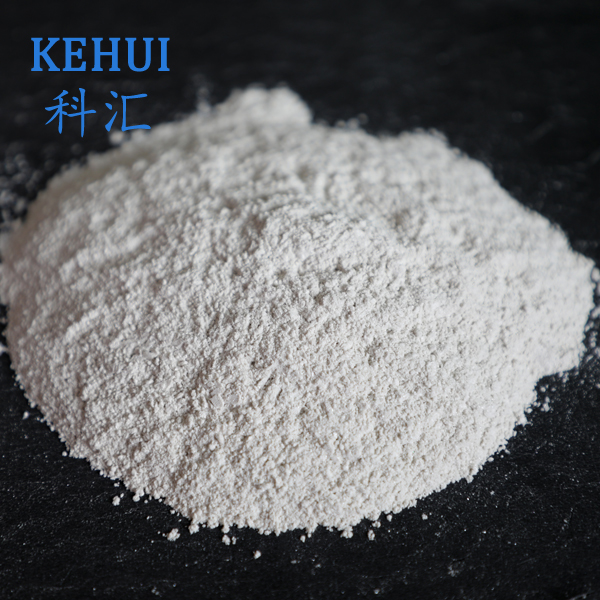
Technical Specifications and Parameters
The superior performance of High Whiteness Wet Ground Mica Powder For Plastics is underpinned by its stringent technical specifications. These parameters are crucial for engineers and material scientists in selecting the optimal grade for specific polymer formulations. The wet grinding process specifically enhances the aspect ratio and surface smoothness, which directly translates into better reinforcement and aesthetic properties.
Typical Product Specifications (Wet Ground Muscovite Mica)
| Parameter | Unit | Value Range (Standard Grade) | Test Method/Standard |
|---|---|---|---|
| Whiteness (L Value) | - | ≥ 90 | ISO 7724/3, CIE Lab |
| Aspect Ratio (Diameter/Thickness) | - | ≥ 40:1 | Microscopic Analysis |
| Median Particle Size (D50) | µm | 10 - 75 (Grade Dependent) | Laser Diffraction (ISO 13320) |
| Top Cut (D98) | µm | < 150 | Laser Diffraction (ISO 13320) |
| Specific Gravity | g/cm³ | 2.80 - 2.90 | ASTM D153 |
| Moisture Content | % | ≤ 0.5 | ISO 787-2 |
| Hardness (Mohs) | - | 2.8 - 3.2 | Mohs Scale |
| Loss on Ignition (1000°C) | % | ≤ 4.0 | ASTM D7348 |
These specifications ensure that our High Whiteness Wet Ground Mica Powder For Plastics consistently delivers predictable and superior performance. The high aspect ratio, a hallmark of wet ground mica, is critical for achieving maximum reinforcement efficiency and barrier properties within the polymer matrix. The low moisture content and high thermal stability ensure compatibility with various processing conditions, from extrusion to injection molding.
Application Scenarios and Target Industries
The versatility and enhanced properties of High Whiteness Wet Ground Mica Powder For Plastics make it an indispensable additive across a broad spectrum of industries, particularly where performance, durability, and aesthetics are paramount. Its unique lamellar structure and high aspect ratio provide multi-functional benefits, making it suitable for both commodity and engineering plastics.
Typical Application Scenarios:
- Automotive Components: Used in interior and exterior parts, under-the-hood applications, and body panels. Mica enhances stiffness, dimensional stability, heat deflection temperature (HDT), and reduces warpage, making it ideal for materials like PP, PA, and TPO. For instance, dash panels and door trims benefit from improved scratch resistance and reduced weight.
- Construction Materials: Incorporated into PVC profiles, pipes (e.g., for water supply & drainage), siding, and roofing membranes. It significantly improves mechanical properties like flexural modulus, impact strength, and creep resistance. Its barrier properties also enhance weatherability and UV resistance, extending the service life of outdoor applications.
- Electrical and Electronic Housings: Provides excellent electrical insulation properties, thermal stability, and dimensional precision. Used in encapsulants, connectors, and housings for electronic devices, where maintaining tight tolerances and resisting heat are crucial.
- Paints, Coatings, and Adhesives: Acts as an inert filler and extender, improving barrier properties, film integrity, and adhesion. In anti-corrosive coatings, its lamellar structure creates a tortuous path for moisture and corrosive agents, enhancing protection and service life.
- Packaging Films and Foils: Improves barrier properties against gases and moisture, enhancing product shelf life. It also contributes to film stiffness and printability.
- Industrial Goods: Used in various industrial components requiring high mechanical strength, chemical resistance (e.g., petrochemical sector for chemical storage and transfer), and resistance to harsh environments.
- Sporting Goods & Consumer Products: For durable, lightweight components where performance under stress is critical.
Target Industries:
- Automotive Industry: Enhancing the performance and aesthetics of interior, exterior, and under-the-hood plastic components.
- Construction Industry: Improving the durability and structural integrity of PVC, HDPE, and other polymer-based building materials.
- Electronics Sector: Providing critical insulation, thermal stability, and dimensional control for sensitive components.
- Water Management (Water Supply & Drainage): Reinforcing PVC and PE pipes for enhanced pressure resistance, stiffness, and longevity.
- Chemical & Petrochemical: For tanks, liners, and piping where chemical inertness and corrosion resistance are essential.
- Aerospace (non-structural parts): Lightweighting and thermal management in specialized polymer components.
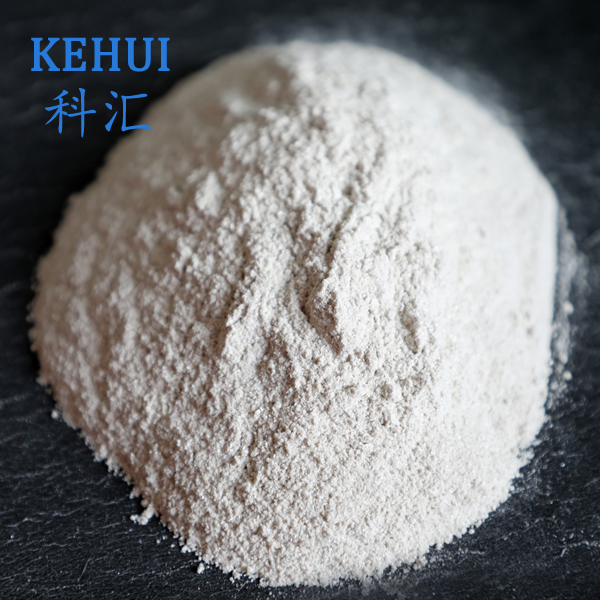
In these scenarios, the inherent properties of mica, combined with the superior processing of wet grinding, offer tangible advantages such as energy saving through lighter components, prolonged service life due to enhanced corrosion resistance, and improved overall material performance.
Technical Advantages of Wet Ground Mica in Plastics
The distinctive advantages of incorporating High Whiteness Wet Ground Mica Powder For Plastics are rooted in its unique crystalline structure and the refined processing method. These benefits translate directly into enhanced performance characteristics for the final plastic product, often surpassing those achieved with other mineral fillers.
Key Technical Advantages:
- Superior Reinforcement and Stiffness: The high aspect ratio (typically 40:1 to 80:1) of wet ground mica platelets provides exceptional mechanical reinforcement. When oriented correctly within the polymer matrix, these platelets effectively increase flexural modulus, tensile strength, and impact resistance, rivaling or even exceeding fiberglass in certain applications, especially where high stiffness and low warpage are required.
- Enhanced Dimensional Stability & Reduced Warpage: Mica’s anisotropic nature and high aspect ratio help to align polymer chains and reduce shrinkage. This leads to significantly improved dimensional stability, especially in injection molded parts, minimizing warpage and distortion during cooling and post-processing. This is critical for components requiring tight tolerances.
- Improved Heat Deflection Temperature (HDT) & Thermal Stability: Mica is inherently heat-resistant. Its incorporation into polymers elevates the HDT, allowing plastic components to perform reliably at higher temperatures without softening or deforming. This is particularly valuable in automotive under-the-hood parts and electronic enclosures.
- Excellent Barrier Properties: The lamellar structure of mica creates a tortuous path for gas and moisture molecules, significantly improving the barrier properties of the polymer composite. This is beneficial for packaging applications, chemical storage, and protecting sensitive electronic components from environmental degradation.
- Superior Electrical Insulation: Mica is a natural dielectric material with high volume resistivity and low dielectric loss. It enhances the electrical insulating properties of plastics, making them ideal for applications in electrical and electronic devices where safety and performance are critical.
- Reduced Permeability & Chemical Resistance: Due to its inert nature and barrier effect, mica improves the chemical resistance of polymers against various acids, alkalis, and solvents, thus extending product life in corrosive environments, such as those found in petrochemical and industrial settings.
- Enhanced Surface Finish & Whiteness: The fine, smooth platelets resulting from wet grinding minimize surface defects and improve the aesthetic appeal of plastic parts. The high whiteness ensures that the mica does not impart undesirable color to the polymer, allowing for vibrant or pure white formulations without compromise.
- Noise, Vibration, and Harshness (NVH) Damping: In specific applications, mica can contribute to damping vibrations and reducing noise, offering an additional performance benefit, particularly in automotive interiors.
These advantages collectively underscore why High Whiteness Wet Ground Mica Powder For Plastics is a premium choice for manufacturers seeking to produce high-performance, durable, and aesthetically superior plastic products.
Vendor Comparison and Competitive Edge
When sourcing specialized mineral fillers like High Whiteness Wet Ground Mica Powder For Plastics, discerning procurement professionals and technical teams evaluate vendors based on critical criteria: product quality, consistency, technical support, supply chain reliability, and customization capabilities. Not all mica powders are created equal, and the differences often lie in the source material, processing technology, and quality control.
Comparison Factors: Wet Ground Mica vs. Dry Ground Mica
| Feature | Wet Ground Mica | Dry Ground Mica |
|---|---|---|
| Particle Morphology | Retains smooth, highly lamellar, high aspect ratio platelets. | Irregular, fractured, blocky particles; lower aspect ratio. |
| Particle Size Distribution | Tighter, more uniform. Finer grades achievable. | Broader, less uniform. Larger particles more common. |
| Whiteness & Purity | Higher whiteness, lower impurities due to washing. | Lower whiteness, more susceptible to contamination. |
| Reinforcement Efficiency | Superior due to preserved lamellar structure and high aspect ratio. | Lower due to compromised particle shape. |
| Surface Finish in Plastics | Smoother finish, fewer visible specks. | Rougher finish, potential for specks. |
| Cost | Generally higher due to more complex processing. | Generally lower. |
Our competitive advantage lies in our unwavering commitment to quality and our specialized wet grinding technology. We source premium Muscovite mica and employ advanced processing techniques, ensuring that our High Whiteness Wet Ground Mica Powder For Plastics consistently meets and exceeds industry benchmarks. Our commitment to quality is validated by our ISO 9001 certification and a track record of serving discerning clients across various demanding industries for over 15 years. We maintain strict control over particle size distribution, whiteness (L > 90), and aspect ratio, delivering a product that offers maximum functional benefits. Our dedicated technical support team works closely with clients to ensure seamless integration into their existing production lines and to optimize formulations for specific performance targets.
Customized Solutions and Technical Support
Recognizing that standard products may not always perfectly align with every unique application requirement, we offer comprehensive customized solutions for our High Whiteness Wet Ground Mica Powder For Plastics. Our expertise extends beyond supplying high-quality raw materials; we partner with our clients to develop tailor-made mica grades that precisely meet their specific performance, processing, and aesthetic needs. This includes modifications to particle size distribution, aspect ratio, and surface chemistry.
Customization Capabilities:
- Tailored Particle Size Distributions (PSD): We can fine-tune the D50 and D98 values to optimize flow properties, surface finish, and mechanical reinforcement for various polymer processing methods (e.g., injection molding, extrusion, compounding).
- Surface Treatment Options: To enhance compatibility and adhesion with specific polymer matrices (e.g., PP, PE, PA, PVC, PC), we offer various coupling agents such as silanes, titanates, and zircoaluminates. These treatments improve dispersion, mechanical properties, and reduce moisture absorption.
- Specialized Whiteness & Purity Grades: For highly sensitive applications where color impact is critical, we can provide ultra-high whiteness grades and guaranteed low impurity levels.
- Specific Aspect Ratio Control: While wet grinding inherently yields a high aspect ratio, we can adjust grinding parameters to achieve even higher ratios for maximum reinforcement or lower ratios for improved processability if required by specific applications.
Our technical support team comprises experienced material scientists and engineers who collaborate directly with client R&D departments. This collaborative approach ensures that the customized High Whiteness Wet Ground Mica Powder For Plastics integrates seamlessly into the client's production processes, minimizing trial-and-error and accelerating time-to-market for new products. We provide comprehensive data analysis, pilot batch testing, and ongoing post-sales support to ensure optimal performance and satisfaction.
Application Case Studies
The practical utility of High Whiteness Wet Ground Mica Powder For Plastics is best demonstrated through real-world applications where it has delivered significant performance enhancements. These case studies highlight our commitment to client success and the versatility of our product.
Case Study 1: Automotive Interior Components (PP Composite)
A leading automotive tier-one supplier aimed to reduce the weight and improve the dimensional stability of injection-molded polypropylene (PP) interior trim components, such as glove box covers and pillar trim, while maintaining a premium surface finish. Traditional fillers like talc or calcium carbonate failed to provide sufficient stiffness without compromising impact strength or surface aesthetics. Our technical team proposed a specialized grade of surface-treated High Whiteness Wet Ground Mica Powder For Plastics with a D50 of 25 µm and an aspect ratio exceeding 50:1.
- Result: By incorporating 20% mica, the flexural modulus of the PP composite increased by 40% (from 1.5 GPa to 2.1 GPa), and the Heat Deflection Temperature (HDT) improved by 15°C. Crucially, warpage was reduced by 30%, ensuring precise fit and finish, while the high whiteness of the mica maintained the desired color consistency of the molded parts. This resulted in a lightweight, dimensionally stable, and aesthetically superior component.
Case Study 2: PVC Pipe for Industrial Drainage
An industrial pipe manufacturer sought to enhance the stiffness and long-term creep resistance of large-diameter PVC pipes used in industrial drainage systems, often exposed to varying temperatures and continuous stress. Conventional fillers provided insufficient reinforcement. We supplied a medium-fine grade of wet ground mica, specifically chosen for its high aspect ratio and chemical inertness.
- Result: The addition of 10% mica significantly increased the Young's Modulus of the PVC by 25% and improved the long-term hydrostatic strength, extending the anticipated service life of the pipes. The barrier properties of mica also contributed to enhanced chemical resistance against aggressive industrial effluents, providing a more robust and reliable drainage solution.
Frequently Asked Questions (FAQ)
- Q: What is the primary difference between wet ground mica and dry ground mica?
A: Wet ground mica is produced using a process that preserves the natural lamellar, platy structure of the mica, resulting in a higher aspect ratio, smoother surface, and finer particle size distribution. Dry ground mica, by contrast, often fractures the particles, leading to more irregular shapes and lower aspect ratios, which impacts reinforcement efficiency and surface finish in plastics.
- Q: How does mica improve the dimensional stability of plastics?
A: The high aspect ratio platelets of mica align parallel to the direction of flow during plastic processing. This orientation reduces polymer shrinkage and thermal expansion coefficients, effectively minimizing warpage and improving the overall dimensional stability of molded parts.
- Q: Is High Whiteness Wet Ground Mica Powder compatible with all types of plastics?
A: Our wet ground mica is highly versatile and compatible with a wide range of thermoplastic and thermosetting resins, including PP, PE, PA, PVC, PC, ABS, and various engineering plastics. For optimal compatibility and performance, surface-treated grades are available and often recommended.
- Q: What certifications do your products hold?
A: Our manufacturing processes are ISO 9001 certified, ensuring consistent quality management. Our products also adhere to relevant ASTM standards for material testing and can meet specific client or industry certifications upon request.
- Q: What is the recommended storage for High Whiteness Wet Ground Mica Powder?
A: Mica powder should be stored in a cool, dry place, away from direct sunlight and moisture, in its original sealed packaging to prevent contamination and moisture absorption. Proper storage ensures the integrity and performance of the product for an extended period.
Lead Time, Warranty, and Customer Support
We are committed to providing seamless service from inquiry to delivery and beyond. Our operational structure is designed for efficiency and reliability, ensuring our partners receive timely and high-quality products along with comprehensive support.
Lead Time & Fulfillment:
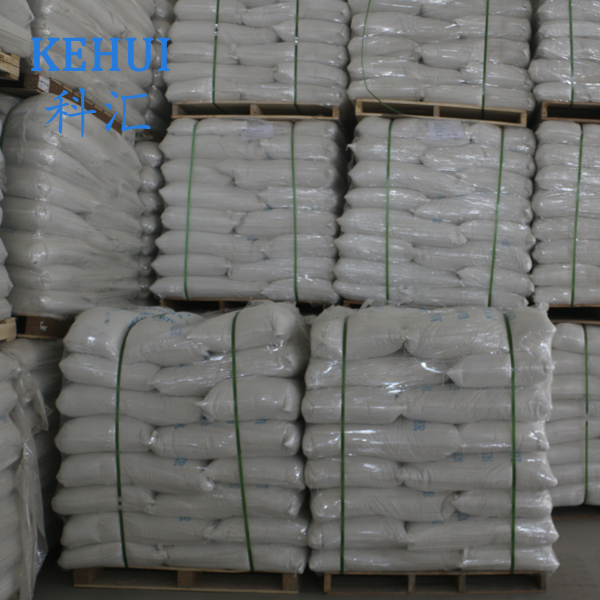
Our standard lead time for most grades of High Whiteness Wet Ground Mica Powder For Plastics is typically 2-4 weeks from order confirmation, depending on volume and specific customization requirements. We maintain robust inventory levels of standard grades to facilitate quicker turnarounds for urgent orders. For customized solutions, lead times will be provided after technical consultation and confirmation of specifications. We offer flexible shipping options, including sea freight and air freight, to meet global distribution needs, working with trusted logistics partners to ensure timely and secure delivery.
Warranty Commitments:
We stand behind the quality of our products. All our mica powders are supplied with a warranty ensuring they meet the specified technical parameters and are free from manufacturing defects. This warranty is valid for 12 months from the date of shipment, provided the material is stored and handled according to our recommendations. In the unlikely event of a product not meeting agreed-upon specifications, we commit to prompt investigation, replacement, or appropriate compensation, in line with our stringent quality assurance protocols (ISO 9001 certified).
Customer Support:
Our dedicated customer support team is available to assist with all inquiries, from technical specifications and application guidance to order tracking and after-sales service. We pride ourselves on responsive communication and proactive problem-solving. Clients can reach us via phone, email, or through our dedicated online portal. Our technical experts are also available for on-site consultations or remote support to ensure optimal product performance and integration into your manufacturing processes.
References
- G. Wypych, "Handbook of Fillers," ChemTec Publishing, 2016.
- A. V. Pocius, "Adhesion and Adhesives Technology: An Introduction," Carl Hanser Verlag, 2012.
- ASTM International, "Standard Test Methods for Particle Size Distribution of Wet Ground Mica."
- ISO Standards, "Quality Management Systems – Requirements (ISO 9001)."
- M. J. O'Farrell, "Mica: Geology, Mineralogy, and Industrial Uses," Society for Mining, Metallurgy & Exploration, Inc., 2004.
Latest news
-
Technical Benefits of Calcined Mica for Welding ElectrodesNewsApr.09,2026
-
Superior Calcined Mica for Electrical Insulators Applications and BenefitsNewsApr.07,2026
-
Exploring the Versatility of Calcined Mica for Decoration and Diverse ApplicationsNewsApr.04,2026
-
Exploring Calcined Mica Properties Applications and Sourcing OptionsNewsMar.31,2026
-
Exploring the Versatile Applications of Mica Flakes Powder Across IndustriesNewsMar.28,2026
-
Synthetic Mica Flakes- Kehui Mica Co.|Heat-Resistant, High WhitenessNewsMar.27,2026
-
Synthetic Mica Flakes- Kehui Mica Co.|Heat-Resistant, High WhitenessNewsMar.27,2026
Related Products
Sep . 08, 2025 16:38
Back to list
High Whiteness Wet Ground Mica Powder for Plastics | Reinforce & Brighten
Industry Trends in Polymer Reinforcement and Fillers
The global plastics industry is experiencing a dynamic shift, driven by demands for enhanced performance, lightweighting, and sustainability. As manufacturers strive to optimize material properties while reducing costs, the role of functional fillers and reinforcements has become increasingly critical. Current industry trends highlight a significant move towards high-performance additives that offer multi-functional benefits, transcending basic volume displacement. Key areas of growth include automotive, where lightweight composites improve fuel efficiency; construction, requiring durable and weather-resistant materials; and electronics, demanding superior electrical insulation and thermal management. The pursuit of finer particle sizes, improved surface treatments, and tailored material properties is paramount, leading to a rising demand for specialized fillers like mica. Specifically, the market is favoring materials that contribute to enhanced mechanical strength, dimensional stability, thermal resistance, and electrical insulation, all while maintaining aesthetic appeal, particularly whiteness, for a wide range of colored and uncolored polymer systems. This evolving landscape underscores the importance of advanced materials such as High Whiteness Wet Ground Mica Powder For Plastics.
The emphasis on circular economy principles also drives innovation in filler technology, with a focus on resource efficiency and product longevity. Furthermore, the increasing complexity of polymer formulations necessitates fillers that offer superior dispersion characteristics and compatibility with various resin systems, including polyolefins, engineering plastics, and thermosets. As the demand for sophisticated polymeric solutions expands across diverse sectors, the strategic integration of high-quality mineral fillers is not merely an option but a strategic imperative for achieving competitive advantages and meeting stringent regulatory and performance benchmarks.
Manufacturing Process: High Whiteness Wet Ground Mica Powder For Plastics
The production of High Whiteness Wet Ground Mica Powder For Plastics is a sophisticated multi-stage process, meticulously designed to preserve the laminar structure of mica while achieving superior particle morphology, high aspect ratio, and exceptional whiteness. Unlike traditional dry grinding methods that can damage the delicate lamellar structure, wet grinding ensures a finer, smoother, and more uniform product, critical for high-performance plastic applications. The process begins with carefully selected, high-quality Muscovite mica ore, known for its excellent intrinsic whiteness and purity.
Process Flow Schematic:
- 1. Raw Material Sourcing & Selection: High-purity Muscovite mica ore is sourced, often from deposits known for their low iron content and natural whiteness. Strict quality control ensures the absence of undesirable impurities and contaminants. Material testing standards align with ISO 9001 quality management principles.
- 2. Crushing & Pre-sorting: The raw mica ore undergoes initial crushing to reduce its size into manageable flakes. This stage also involves a visual and mechanical sorting process to remove any extraneous minerals or discolored fragments, enhancing the overall whiteness of the final product.
- 3. Wet Grinding (Milling): This is the most crucial step. Mica flakes are introduced into specialized wet grinding mills, typically ball mills or attrition mills, along with water. The presence of water acts as a lubricant and a medium for dispersion, preventing excessive heat generation and preserving the platelet structure. The controlled mechanical action delaminates the mica into increasingly finer particles without fracturing the platelets, yielding a high aspect ratio.
- 4. Classification & Separation: After grinding, the mica slurry undergoes a precise classification process. Hydrocyclones or sedimentation tanks are used to separate particles based on size and density, ensuring a tight particle size distribution (PSD). This stage is vital for achieving consistent product specifications.
- 5. Washing & Purification: The classified mica slurry is thoroughly washed multiple times to remove any residual impurities, ultrafine particles, or grinding media contaminants. This step is critical for maximizing whiteness and purity, especially for sensitive plastic applications.
- 6. Dewatering & Drying: The purified mica slurry is then dewatered using filter presses or centrifuges, followed by gentle drying in controlled conditions to remove moisture without affecting the particle integrity. Low-temperature drying prevents agglomeration and maintains the desired whiteness.
- 7. Surface Treatment (Optional): Depending on the specific application, the dried mica powder may undergo surface treatment with silanes, titanates, or other coupling agents. This enhances compatibility and adhesion with various polymer matrices, improving mechanical properties and dispersion.
- 8. Final Sieving & Packaging: The finished product undergoes a final sieving to ensure the absence of oversized particles and agglomerates, adhering to strict quality standards (e.g., ASTM D7181 for particle size analysis). The High Whiteness Wet Ground Mica Powder For Plastics is then packaged in moisture-proof bags for shipment.
Throughout this process, continuous monitoring and quality checks are performed, including whiteness index measurement (e.g., Lab values), particle size analysis (laser diffraction), aspect ratio determination, and chemical composition analysis. Our products adhere to international testing standards such as ISO 9001 for quality management and relevant ASTM standards for material testing. The manufacturing process is designed for a long service life of the production equipment itself, and critically, to imbue the mica powder with properties that extend the service life of end-plastic products, offering exceptional corrosion resistance and enhanced mechanical integrity in target industries like petrochemical, metallurgy, and water supply & drainage. For instance, in PVC pipes used in water supply, mica's reinforcement improves impact strength and stiffness, ensuring decades of reliable performance.
Technical Specifications and Parameters
The superior performance of High Whiteness Wet Ground Mica Powder For Plastics is underpinned by its stringent technical specifications. These parameters are crucial for engineers and material scientists in selecting the optimal grade for specific polymer formulations. The wet grinding process specifically enhances the aspect ratio and surface smoothness, which directly translates into better reinforcement and aesthetic properties.
Typical Product Specifications (Wet Ground Muscovite Mica)
| Parameter | Unit | Value Range (Standard Grade) | Test Method/Standard |
|---|---|---|---|
| Whiteness (L Value) | - | ≥ 90 | ISO 7724/3, CIE Lab |
| Aspect Ratio (Diameter/Thickness) | - | ≥ 40:1 | Microscopic Analysis |
| Median Particle Size (D50) | µm | 10 - 75 (Grade Dependent) | Laser Diffraction (ISO 13320) |
| Top Cut (D98) | µm | < 150 | Laser Diffraction (ISO 13320) |
| Specific Gravity | g/cm³ | 2.80 - 2.90 | ASTM D153 |
| Moisture Content | % | ≤ 0.5 | ISO 787-2 |
| Hardness (Mohs) | - | 2.8 - 3.2 | Mohs Scale |
| Loss on Ignition (1000°C) | % | ≤ 4.0 | ASTM D7348 |
These specifications ensure that our High Whiteness Wet Ground Mica Powder For Plastics consistently delivers predictable and superior performance. The high aspect ratio, a hallmark of wet ground mica, is critical for achieving maximum reinforcement efficiency and barrier properties within the polymer matrix. The low moisture content and high thermal stability ensure compatibility with various processing conditions, from extrusion to injection molding.
Application Scenarios and Target Industries
The versatility and enhanced properties of High Whiteness Wet Ground Mica Powder For Plastics make it an indispensable additive across a broad spectrum of industries, particularly where performance, durability, and aesthetics are paramount. Its unique lamellar structure and high aspect ratio provide multi-functional benefits, making it suitable for both commodity and engineering plastics.
Typical Application Scenarios:
- Automotive Components: Used in interior and exterior parts, under-the-hood applications, and body panels. Mica enhances stiffness, dimensional stability, heat deflection temperature (HDT), and reduces warpage, making it ideal for materials like PP, PA, and TPO. For instance, dash panels and door trims benefit from improved scratch resistance and reduced weight.
- Construction Materials: Incorporated into PVC profiles, pipes (e.g., for water supply & drainage), siding, and roofing membranes. It significantly improves mechanical properties like flexural modulus, impact strength, and creep resistance. Its barrier properties also enhance weatherability and UV resistance, extending the service life of outdoor applications.
- Electrical and Electronic Housings: Provides excellent electrical insulation properties, thermal stability, and dimensional precision. Used in encapsulants, connectors, and housings for electronic devices, where maintaining tight tolerances and resisting heat are crucial.
- Paints, Coatings, and Adhesives: Acts as an inert filler and extender, improving barrier properties, film integrity, and adhesion. In anti-corrosive coatings, its lamellar structure creates a tortuous path for moisture and corrosive agents, enhancing protection and service life.
- Packaging Films and Foils: Improves barrier properties against gases and moisture, enhancing product shelf life. It also contributes to film stiffness and printability.
- Industrial Goods: Used in various industrial components requiring high mechanical strength, chemical resistance (e.g., petrochemical sector for chemical storage and transfer), and resistance to harsh environments.
- Sporting Goods & Consumer Products: For durable, lightweight components where performance under stress is critical.
Target Industries:
- Automotive Industry: Enhancing the performance and aesthetics of interior, exterior, and under-the-hood plastic components.
- Construction Industry: Improving the durability and structural integrity of PVC, HDPE, and other polymer-based building materials.
- Electronics Sector: Providing critical insulation, thermal stability, and dimensional control for sensitive components.
- Water Management (Water Supply & Drainage): Reinforcing PVC and PE pipes for enhanced pressure resistance, stiffness, and longevity.
- Chemical & Petrochemical: For tanks, liners, and piping where chemical inertness and corrosion resistance are essential.
- Aerospace (non-structural parts): Lightweighting and thermal management in specialized polymer components.
In these scenarios, the inherent properties of mica, combined with the superior processing of wet grinding, offer tangible advantages such as energy saving through lighter components, prolonged service life due to enhanced corrosion resistance, and improved overall material performance.
Technical Advantages of Wet Ground Mica in Plastics
The distinctive advantages of incorporating High Whiteness Wet Ground Mica Powder For Plastics are rooted in its unique crystalline structure and the refined processing method. These benefits translate directly into enhanced performance characteristics for the final plastic product, often surpassing those achieved with other mineral fillers.
Key Technical Advantages:
- Superior Reinforcement and Stiffness: The high aspect ratio (typically 40:1 to 80:1) of wet ground mica platelets provides exceptional mechanical reinforcement. When oriented correctly within the polymer matrix, these platelets effectively increase flexural modulus, tensile strength, and impact resistance, rivaling or even exceeding fiberglass in certain applications, especially where high stiffness and low warpage are required.
- Enhanced Dimensional Stability & Reduced Warpage: Mica’s anisotropic nature and high aspect ratio help to align polymer chains and reduce shrinkage. This leads to significantly improved dimensional stability, especially in injection molded parts, minimizing warpage and distortion during cooling and post-processing. This is critical for components requiring tight tolerances.
- Improved Heat Deflection Temperature (HDT) & Thermal Stability: Mica is inherently heat-resistant. Its incorporation into polymers elevates the HDT, allowing plastic components to perform reliably at higher temperatures without softening or deforming. This is particularly valuable in automotive under-the-hood parts and electronic enclosures.
- Excellent Barrier Properties: The lamellar structure of mica creates a tortuous path for gas and moisture molecules, significantly improving the barrier properties of the polymer composite. This is beneficial for packaging applications, chemical storage, and protecting sensitive electronic components from environmental degradation.
- Superior Electrical Insulation: Mica is a natural dielectric material with high volume resistivity and low dielectric loss. It enhances the electrical insulating properties of plastics, making them ideal for applications in electrical and electronic devices where safety and performance are critical.
- Reduced Permeability & Chemical Resistance: Due to its inert nature and barrier effect, mica improves the chemical resistance of polymers against various acids, alkalis, and solvents, thus extending product life in corrosive environments, such as those found in petrochemical and industrial settings.
- Enhanced Surface Finish & Whiteness: The fine, smooth platelets resulting from wet grinding minimize surface defects and improve the aesthetic appeal of plastic parts. The high whiteness ensures that the mica does not impart undesirable color to the polymer, allowing for vibrant or pure white formulations without compromise.
- Noise, Vibration, and Harshness (NVH) Damping: In specific applications, mica can contribute to damping vibrations and reducing noise, offering an additional performance benefit, particularly in automotive interiors.
These advantages collectively underscore why High Whiteness Wet Ground Mica Powder For Plastics is a premium choice for manufacturers seeking to produce high-performance, durable, and aesthetically superior plastic products.
Vendor Comparison and Competitive Edge
When sourcing specialized mineral fillers like High Whiteness Wet Ground Mica Powder For Plastics, discerning procurement professionals and technical teams evaluate vendors based on critical criteria: product quality, consistency, technical support, supply chain reliability, and customization capabilities. Not all mica powders are created equal, and the differences often lie in the source material, processing technology, and quality control.
Comparison Factors: Wet Ground Mica vs. Dry Ground Mica
| Feature | Wet Ground Mica | Dry Ground Mica |
|---|---|---|
| Particle Morphology | Retains smooth, highly lamellar, high aspect ratio platelets. | Irregular, fractured, blocky particles; lower aspect ratio. |
| Particle Size Distribution | Tighter, more uniform. Finer grades achievable. | Broader, less uniform. Larger particles more common. |
| Whiteness & Purity | Higher whiteness, lower impurities due to washing. | Lower whiteness, more susceptible to contamination. |
| Reinforcement Efficiency | Superior due to preserved lamellar structure and high aspect ratio. | Lower due to compromised particle shape. |
| Surface Finish in Plastics | Smoother finish, fewer visible specks. | Rougher finish, potential for specks. |
| Cost | Generally higher due to more complex processing. | Generally lower. |
Our competitive advantage lies in our unwavering commitment to quality and our specialized wet grinding technology. We source premium Muscovite mica and employ advanced processing techniques, ensuring that our High Whiteness Wet Ground Mica Powder For Plastics consistently meets and exceeds industry benchmarks. Our commitment to quality is validated by our ISO 9001 certification and a track record of serving discerning clients across various demanding industries for over 15 years. We maintain strict control over particle size distribution, whiteness (L > 90), and aspect ratio, delivering a product that offers maximum functional benefits. Our dedicated technical support team works closely with clients to ensure seamless integration into their existing production lines and to optimize formulations for specific performance targets.
Customized Solutions and Technical Support
Recognizing that standard products may not always perfectly align with every unique application requirement, we offer comprehensive customized solutions for our High Whiteness Wet Ground Mica Powder For Plastics. Our expertise extends beyond supplying high-quality raw materials; we partner with our clients to develop tailor-made mica grades that precisely meet their specific performance, processing, and aesthetic needs. This includes modifications to particle size distribution, aspect ratio, and surface chemistry.
Customization Capabilities:
- Tailored Particle Size Distributions (PSD): We can fine-tune the D50 and D98 values to optimize flow properties, surface finish, and mechanical reinforcement for various polymer processing methods (e.g., injection molding, extrusion, compounding).
- Surface Treatment Options: To enhance compatibility and adhesion with specific polymer matrices (e.g., PP, PE, PA, PVC, PC), we offer various coupling agents such as silanes, titanates, and zircoaluminates. These treatments improve dispersion, mechanical properties, and reduce moisture absorption.
- Specialized Whiteness & Purity Grades: For highly sensitive applications where color impact is critical, we can provide ultra-high whiteness grades and guaranteed low impurity levels.
- Specific Aspect Ratio Control: While wet grinding inherently yields a high aspect ratio, we can adjust grinding parameters to achieve even higher ratios for maximum reinforcement or lower ratios for improved processability if required by specific applications.
Our technical support team comprises experienced material scientists and engineers who collaborate directly with client R&D departments. This collaborative approach ensures that the customized High Whiteness Wet Ground Mica Powder For Plastics integrates seamlessly into the client's production processes, minimizing trial-and-error and accelerating time-to-market for new products. We provide comprehensive data analysis, pilot batch testing, and ongoing post-sales support to ensure optimal performance and satisfaction.
Application Case Studies
The practical utility of High Whiteness Wet Ground Mica Powder For Plastics is best demonstrated through real-world applications where it has delivered significant performance enhancements. These case studies highlight our commitment to client success and the versatility of our product.
Case Study 1: Automotive Interior Components (PP Composite)
A leading automotive tier-one supplier aimed to reduce the weight and improve the dimensional stability of injection-molded polypropylene (PP) interior trim components, such as glove box covers and pillar trim, while maintaining a premium surface finish. Traditional fillers like talc or calcium carbonate failed to provide sufficient stiffness without compromising impact strength or surface aesthetics. Our technical team proposed a specialized grade of surface-treated High Whiteness Wet Ground Mica Powder For Plastics with a D50 of 25 µm and an aspect ratio exceeding 50:1.
- Result: By incorporating 20% mica, the flexural modulus of the PP composite increased by 40% (from 1.5 GPa to 2.1 GPa), and the Heat Deflection Temperature (HDT) improved by 15°C. Crucially, warpage was reduced by 30%, ensuring precise fit and finish, while the high whiteness of the mica maintained the desired color consistency of the molded parts. This resulted in a lightweight, dimensionally stable, and aesthetically superior component.
Case Study 2: PVC Pipe for Industrial Drainage
An industrial pipe manufacturer sought to enhance the stiffness and long-term creep resistance of large-diameter PVC pipes used in industrial drainage systems, often exposed to varying temperatures and continuous stress. Conventional fillers provided insufficient reinforcement. We supplied a medium-fine grade of wet ground mica, specifically chosen for its high aspect ratio and chemical inertness.
- Result: The addition of 10% mica significantly increased the Young's Modulus of the PVC by 25% and improved the long-term hydrostatic strength, extending the anticipated service life of the pipes. The barrier properties of mica also contributed to enhanced chemical resistance against aggressive industrial effluents, providing a more robust and reliable drainage solution.
Frequently Asked Questions (FAQ)
- Q: What is the primary difference between wet ground mica and dry ground mica?
A: Wet ground mica is produced using a process that preserves the natural lamellar, platy structure of the mica, resulting in a higher aspect ratio, smoother surface, and finer particle size distribution. Dry ground mica, by contrast, often fractures the particles, leading to more irregular shapes and lower aspect ratios, which impacts reinforcement efficiency and surface finish in plastics.
- Q: How does mica improve the dimensional stability of plastics?
A: The high aspect ratio platelets of mica align parallel to the direction of flow during plastic processing. This orientation reduces polymer shrinkage and thermal expansion coefficients, effectively minimizing warpage and improving the overall dimensional stability of molded parts.
- Q: Is High Whiteness Wet Ground Mica Powder compatible with all types of plastics?
A: Our wet ground mica is highly versatile and compatible with a wide range of thermoplastic and thermosetting resins, including PP, PE, PA, PVC, PC, ABS, and various engineering plastics. For optimal compatibility and performance, surface-treated grades are available and often recommended.
- Q: What certifications do your products hold?
A: Our manufacturing processes are ISO 9001 certified, ensuring consistent quality management. Our products also adhere to relevant ASTM standards for material testing and can meet specific client or industry certifications upon request.
- Q: What is the recommended storage for High Whiteness Wet Ground Mica Powder?
A: Mica powder should be stored in a cool, dry place, away from direct sunlight and moisture, in its original sealed packaging to prevent contamination and moisture absorption. Proper storage ensures the integrity and performance of the product for an extended period.
Lead Time, Warranty, and Customer Support
We are committed to providing seamless service from inquiry to delivery and beyond. Our operational structure is designed for efficiency and reliability, ensuring our partners receive timely and high-quality products along with comprehensive support.
Lead Time & Fulfillment:
Our standard lead time for most grades of High Whiteness Wet Ground Mica Powder For Plastics is typically 2-4 weeks from order confirmation, depending on volume and specific customization requirements. We maintain robust inventory levels of standard grades to facilitate quicker turnarounds for urgent orders. For customized solutions, lead times will be provided after technical consultation and confirmation of specifications. We offer flexible shipping options, including sea freight and air freight, to meet global distribution needs, working with trusted logistics partners to ensure timely and secure delivery.
Warranty Commitments:
We stand behind the quality of our products. All our mica powders are supplied with a warranty ensuring they meet the specified technical parameters and are free from manufacturing defects. This warranty is valid for 12 months from the date of shipment, provided the material is stored and handled according to our recommendations. In the unlikely event of a product not meeting agreed-upon specifications, we commit to prompt investigation, replacement, or appropriate compensation, in line with our stringent quality assurance protocols (ISO 9001 certified).
Customer Support:
Our dedicated customer support team is available to assist with all inquiries, from technical specifications and application guidance to order tracking and after-sales service. We pride ourselves on responsive communication and proactive problem-solving. Clients can reach us via phone, email, or through our dedicated online portal. Our technical experts are also available for on-site consultations or remote support to ensure optimal product performance and integration into your manufacturing processes.
References
- G. Wypych, "Handbook of Fillers," ChemTec Publishing, 2016.
- A. V. Pocius, "Adhesion and Adhesives Technology: An Introduction," Carl Hanser Verlag, 2012.
- ASTM International, "Standard Test Methods for Particle Size Distribution of Wet Ground Mica."
- ISO Standards, "Quality Management Systems – Requirements (ISO 9001)."
- M. J. O'Farrell, "Mica: Geology, Mineralogy, and Industrial Uses," Society for Mining, Metallurgy & Exploration, Inc., 2004.
Prev:
Next:
Latest news
-
Technical Benefits of Calcined Mica for Welding ElectrodesNewsApr.09,2026
-
Superior Calcined Mica for Electrical Insulators Applications and BenefitsNewsApr.07,2026
-
Exploring the Versatility of Calcined Mica for Decoration and Diverse ApplicationsNewsApr.04,2026
-
Exploring Calcined Mica Properties Applications and Sourcing OptionsNewsMar.31,2026
-
Exploring the Versatile Applications of Mica Flakes Powder Across IndustriesNewsMar.28,2026
-
Synthetic Mica Flakes- Kehui Mica Co.|Heat-Resistant, High WhitenessNewsMar.27,2026
-
Synthetic Mica Flakes- Kehui Mica Co.|Heat-Resistant, High WhitenessNewsMar.27,2026
Related Products