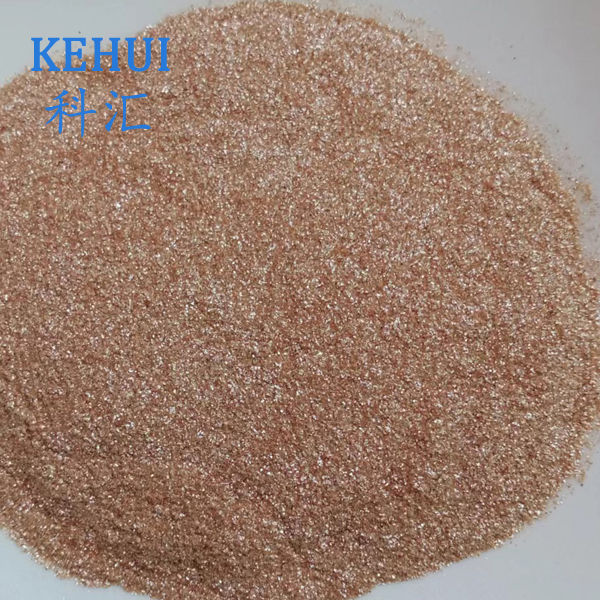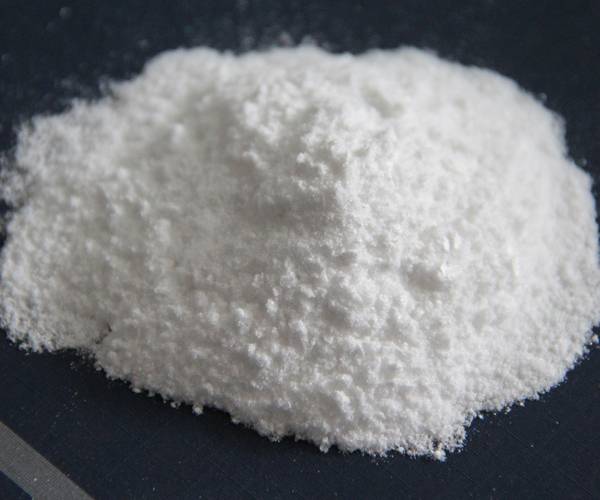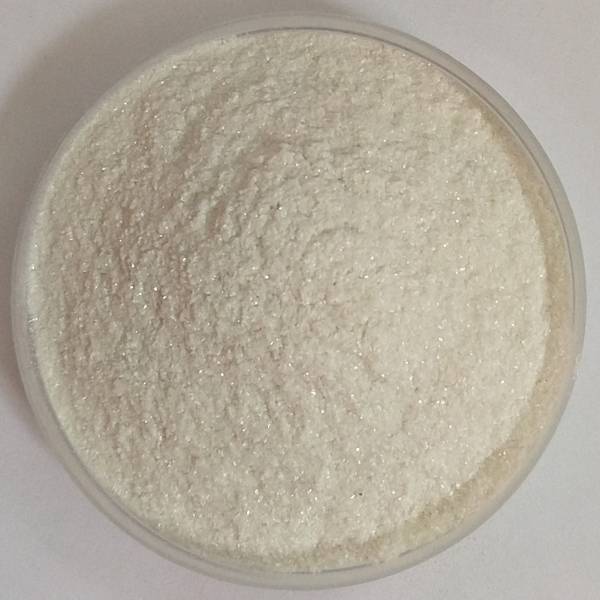
Foundry Additives Cenosphere/Hollow Ceramic Microspheres
If you work in metalcasting, you’ve probably heard the buzz: lightweight ceramic microspheres are quietly reshaping refractory blends, coatings, and sleeves. To be honest, I was skeptical a few years ago. Then I walked a shop floor where a riser-sleeve line switched to Foundry Additives Cenosphere/Hollow Ceramic Microspheres and saw fewer burn-ons, calmer molds, and easier shakeout. The data matched the anecdotes—always a good sign.
What they are (and why foundries care)
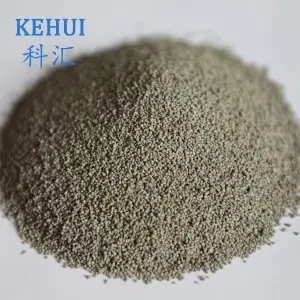
These hollow alumino‑silicate spheres—cenospheres—bring low bulk density, low thermal conductivity, and surprisingly good crush strength. In foundry practice, they lighten refractory mixes, improve thermal shock resistance, and reduce veining and metal penetration in both ferrous and non‑ferrous casting. Actually, many customers say the big win is consistency: fewer reworks, calmer coatings, and cleaner cast surfaces.
Typical specs (real-world values)
| Particle size | 20–70 mesh; 40 mesh cut available (ASTM E11) |
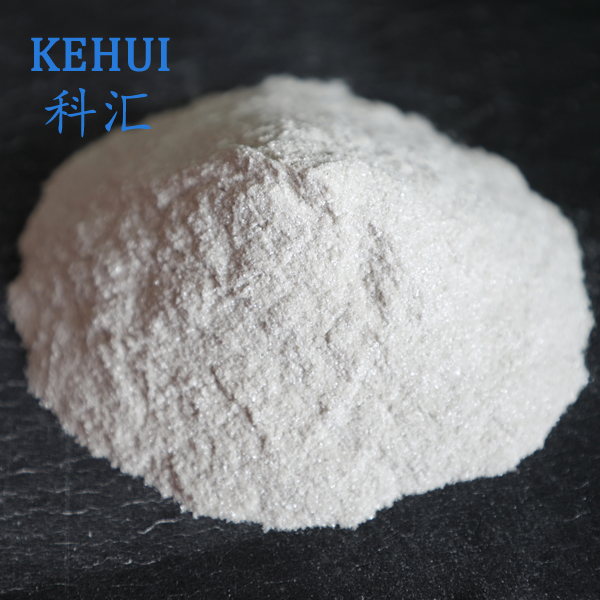
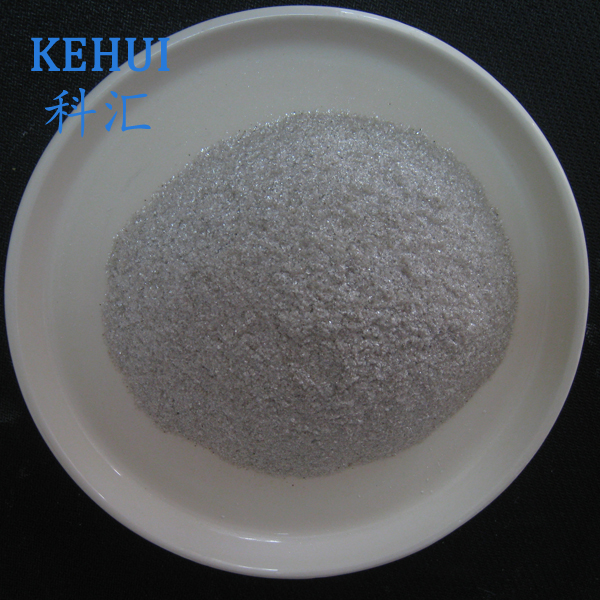
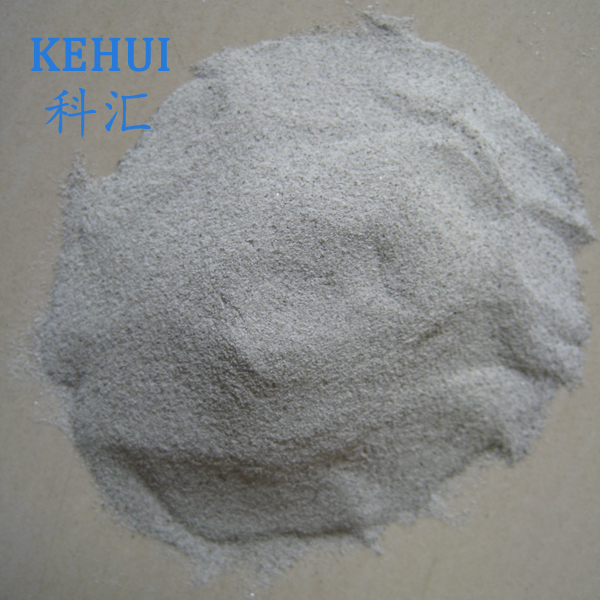
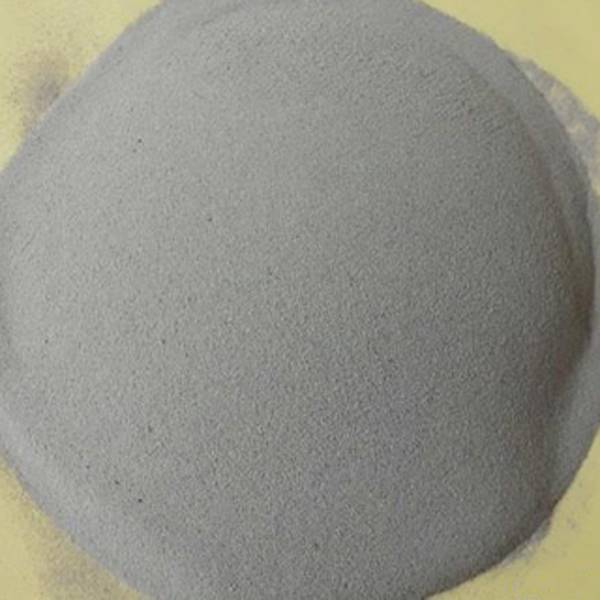
| Color | Grey to off‑white powder |
| Bulk density | ≈0.35–0.60 g/cm³ (ASTM C20) |
| Chemistry (typ.) | SiO₂ ≈ 50–65%; Al₂O₃ ≈ 25–35%; Fe₂O₃ |
| Thermal stability | Service up to ≈1200–1400°C (application‑dependent) |
| Crush strength | ≈15–30 MPa isostatic (typ.) |
| Loss on ignition |
Note: values are typical; real‑world use may vary by blend, firing history, and coating resin system.
Process flow and quality
Origin: Nanjialiang Village, Lingshou County, Shijiazhuang, Hebei, China. The production route generally includes raw fly‑ash selection, magnetic separation, flotation/fractionation, density grading, precision sieving (ASTM E11), optional calcination, and packaging. QC checkpoints: sieve analysis, bulk density and porosity (ASTM C20), moisture, LOI, and spot chemistry. Service life impact: in refractory coatings and cores, customers report 15–30% longer recoat intervals and fewer sand burn‑ons—less fettling, more uptime.
Applications and advantages
- Refractory coatings (ferrous and aluminum): improved anti‑penetration, lower thermal conductivity, smoother finishes.- Riser and insulating sleeves: mass reduction with maintained insulation; easier handling.
- Core/mold additives: fewer scabs/veins, better collapsibility, less shakeout stress.
- Non‑foundry: lightweight cement slurries, polymer fillers, putties where heat resistance matters.
Upshot? Lower defect rates, reduced consumable weight, and often a small but real energy saving during drying—surprisingly noticeable in high‑volume shops.
Vendor snapshot comparison
| Vendor | Origin | Bulk Density | Certs | Customization | Lead Time |
|---|---|---|---|---|---|
| Foundry Additives Cenosphere/Hollow Ceramic Microspheres | Hebei, China | ≈0.35–0.60 g/cm³ | ISO 9001; REACH; RoHS | Mesh cuts, calcination, packaging | ≈2–4 weeks |
| Vendor B (India) | IN | ≈0.40–0.70 g/cm³ | ISO 9001 | Limited mesh options | ≈3–6 weeks |
| Vendor C (EU/US) | EU/US | ≈0.30–0.55 g/cm³ | ISO 9001; additional local regs | High; premium pricing | ≈1–3 weeks |
Case notes from the floor
- Ductile iron jobbing shop: switched to a 40‑mesh sphere blend in mold wash; casting burn‑on complaints dropped ~22%, and recoat interval extended from every 3 molds to every 4. “Less smoke, nicer peel,” their supervisor said.
- Aluminum foundry: insulating sleeves reformulated with 25% microspheres; sleeve mass down ~18% with equivalent thermal performance and fewer cracks after drying. Handling got a lot easier—operators noticed day one.
Implementation tips
- Start with 10–30% replacement in coatings; adjust binder solids to maintain viscosity.- Verify sieve cut against core venting needs (ASTM E11).
- Run bench tests: bulk density/porosity (ASTM C20) and cold crushing strength of refractories (ASTM C133) where relevant.
- Keep moisture tight; these are light and can float—mix gently, then thoroughly.
Standards and documentation
Available documentation typically includes ISO 9001 certificate, REACH/RoHS statements, and MSDS. Testing references: ASTM E11 (sieves), ASTM C20 (apparent porosity/bulk density), ASTM C133 (refractory CCS), and fly‑ash guidance via ASTM C618 for LOI context.
Authoritative references:
1) ASTM E11 – Standard Specification for Woven Wire Test Sieve Cloth and Test Sieves. https://www.astm.org/e0011
2) ASTM C20 – Standard Test Methods for Apparent Porosity, Water Absorption, Apparent Specific Gravity, and Bulk Density of Refractory Materials. https://www.astm.org/c0020
3) ASTM C133 – Standard Test Methods for Cold Crushing Strength and Modulus of Rupture of Refractories. https://www.astm.org/c0133
4) ASTM C618 – Standard Specification for Coal Fly Ash and Raw or Calcined Natural Pozzolan. https://www.astm.org/c0618
5) ISO 9001 – Quality Management Systems Requirements. https://www.iso.org/standard/62085.html
Latest news
-
Technical Benefits of Calcined Mica for Welding ElectrodesNewsApr.09,2026
-
Superior Calcined Mica for Electrical Insulators Applications and BenefitsNewsApr.07,2026
-
Exploring the Versatility of Calcined Mica for Decoration and Diverse ApplicationsNewsApr.04,2026
-
Exploring Calcined Mica Properties Applications and Sourcing OptionsNewsMar.31,2026
-
Exploring the Versatile Applications of Mica Flakes Powder Across IndustriesNewsMar.28,2026
-
Synthetic Mica Flakes- Kehui Mica Co.|Heat-Resistant, High WhitenessNewsMar.27,2026
-
Synthetic Mica Flakes- Kehui Mica Co.|Heat-Resistant, High WhitenessNewsMar.27,2026
Related Products