Why foundries keep turning to Foundry Additives Cenosphere/Hollow Ceramic Microspheres
If you spend enough time on melt decks or in core rooms, you notice the quiet revolutions. One of them is lightweight aluminosilicate cenospheres—tiny, tough, and surprisingly helpful. From Nanjialiang Village, Lingshou County, Shijiazhuang, Hebei (a region that practically breathes mineral processing), these spheres are shaping how we build refractories and coatings. To be honest, the momentum isn’t hype; it’s data and repeatability.
Industry trends I keep hearing
- Lower density castables and coatings to cut thermal mass and energy use.
- Cleaner cast surfaces (less veining/burn-on) without slowing the line.
- Demand for consistent mesh ranges (20–70 mesh, 40 mesh) and tighter LOI control.
- Customization: surface-treated spheres (e.g., silane) to bond better in organic or inorganic binders.
Typical applications
- Low-density gunned/shotcrete refractories for iron and steel ladles and tundishes. - Foundry wash coatings and cores in gray/ductile iron, steel, and aluminum. - High-temperature putties and insulating backfills. Many customers say they get easier knock-out and fewer scabs—small wins that stack up.
Process flow (how these spheres are actually made)
Materials: fly-ash derived aluminosilicate cenospheres. Methods: wet floatation to capture low-density fractions → magnetic separation → low-temp calcination to stabilize → precision sieving (ASTM E11) → optional surface treatment → packaging (25 kg bags or ≈500–1000 kg FIBCs). Every decent supplier I trust runs sieve analysis and LOI checks batch-to-batch.
Product specifications (typical)
| Parameter | Typical Value | Method/Note |
|---|---|---|
| Particle size | 20–70 mesh; 40 mesh option | ASTM E11 sieves |
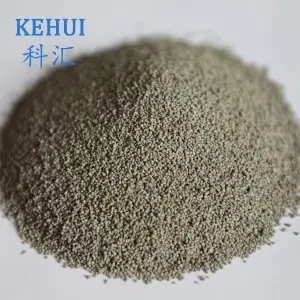
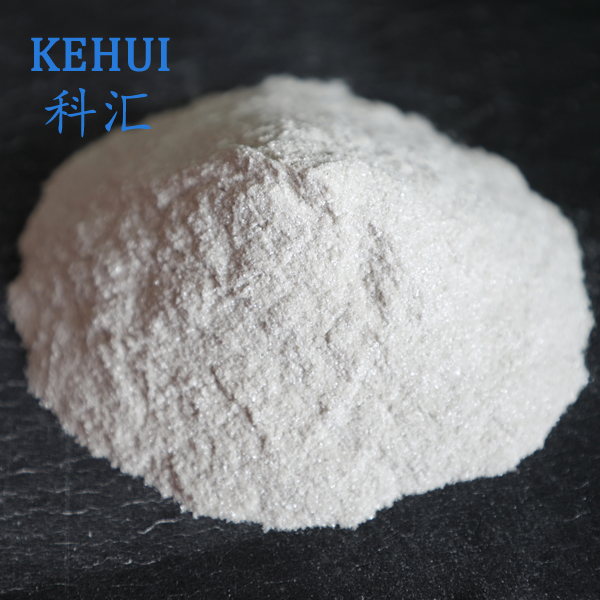
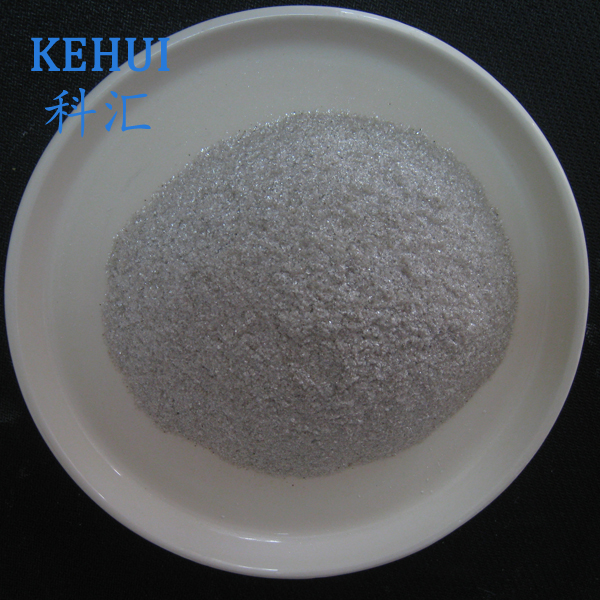
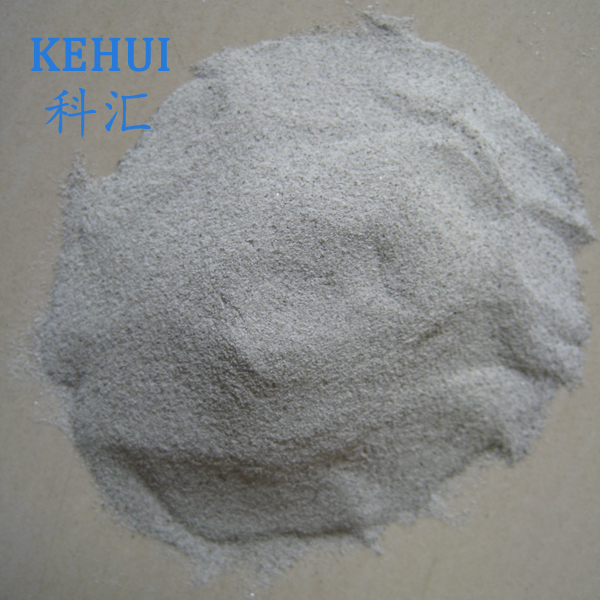
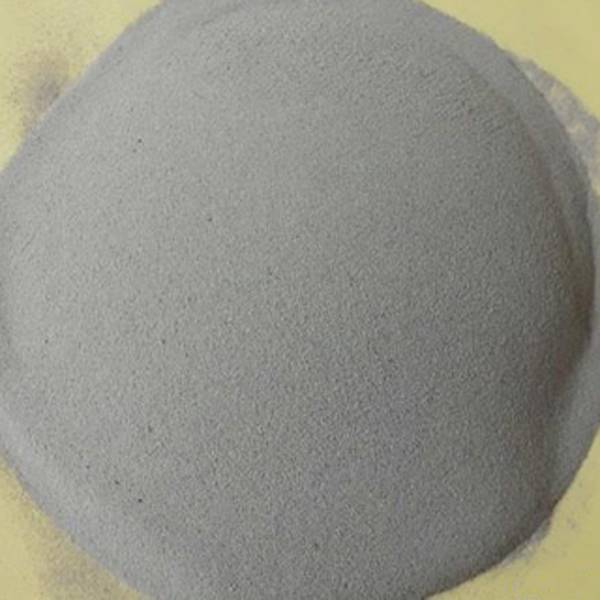
| Color | Grey, off-white powder | Visual |
| Chemistry | SiO2 ≈ 55–65%; Al2O3 ≈ 25–40% | XRF; real-world use may vary |
| Bulk density | ≈0.35–0.75 g/cm³ | Tapped density (ref.) |
| Crush strength | ≈3,500–6,500 psi (10% failure) | ASTM C133 guidance |
| Thermal conductivity | ≈0.10–0.18 W/m·K @ 600°C | ASTM C177 (composite) |
| Max service temp | ≈1200–1400°C | Material class dependent |
Note: performance depends on binder system, firing profile, and casting alloy.
Advantages I’ve seen on the floor
- Weight reduction in castables by 15–30% without wrecking strength.
- Lower thermal shock and faster heat-up/cool-down cycles.
- Smoother cast surfaces, reduced burn-on; easier shakeout.
- Stable rheology in coatings—less slump, better suspendability.
Vendor comparison (snapshot)
| Vendor | Size control | Crush strength | LOI | Certs | Lead time | Customization |
|---|---|---|---|---|---|---|
| KeHui (Foundry Additives Cenosphere/Hollow Ceramic Microspheres) | 20–70 mesh, 40 mesh | Mid–high | Low | ISO 9001; REACH | ≈2–4 weeks | Surface-treated, custom blends |
| Vendor B | 30–80 mesh | Medium | Medium | ISO 9001 | 3–6 weeks | Limited |
| Vendor C | Broad cut | Low–medium | Unspecified | — | 6–8 weeks | — |
Case study: steel foundry coating
A northern iron/steel jobbing shop swapped their zircon-rich wash for a cenosphere-modified coating using Foundry Additives Cenosphere/Hollow Ceramic Microspheres. After 6 weeks:
- Surface defects (veining/scabs) down ≈32% on ductile iron castings.
- Coating consumption per mold cut ≈18% (lower density, same coverage).
- Shakeout time reduced ≈12%; cores collapsed cleaner.
Feedback sounded almost boringly positive—operators liked the slurry stability; QC liked the repeatability.
Testing, certification, and service life
Common checks: sieve curves (ASTM E11), LOI, bulk density, CCS reference (ASTM C133), and thermal conductivity of composites (ASTM C177). ISO 9001:2015 QMS is table stakes; REACH/RoHS statements are increasingly requested. In gunned linings, I’ve seen stable performance for 30–60 heats (iron) depending on slag regime—yes, your mileage will vary.
Customization tips
- Pick mesh by target viscosity and finish (40 mesh is a nice “daily driver”).
- Use silane-treated grades for resin-bonded cores and polymer binders.
- Blend 5–25% by volume in coatings/castables; validate with your binder.
Origin and logistics
Sourced in Nanjialiang Village, Lingshou County, Shijiazhuang, Hebei, China. Typical lead time ≈2–4 weeks, export-packed in 25 kg bags or jumbo bags.
References
- ASTM E11 – Specification for Woven Wire Test Sieve Cloth and Test Sieves. https://www.astm.org/e0011
- ASTM C133 – Standard Test Methods for Cold Crushing Strength. https://www.astm.org/c0133
- ASTM C177 – Steady-State Heat Flux Measurements. https://www.astm.org/c0177
- ISO 9001:2015 – Quality Management Systems. https://www.iso.org/standard/62085.html
- ECHA REACH Guidance. https://echa.europa.eu/regulations/reach
Latest news
-
Global Analysis and Trends of the Calcined Mica Flakes MarketNewsApr.16,2026
-
Technical Benefits of Calcined Mica for Welding ElectrodesNewsApr.09,2026
-
Superior Calcined Mica for Electrical Insulators Applications and BenefitsNewsApr.07,2026
-
Exploring the Versatility of Calcined Mica for Decoration and Diverse ApplicationsNewsApr.04,2026
-
Exploring Calcined Mica Properties Applications and Sourcing OptionsNewsMar.31,2026
-
Exploring the Versatile Applications of Mica Flakes Powder Across IndustriesNewsMar.28,2026
-
Comprehensive Guide to 100 Mesh Mica Powder Applications and Industrial BenefitsNewsMar.26,2026
Related Products