Exploring Fine Perlite: What It Is and Why It Matters Globally
Fine perlite is one of those unsung heroes in the materials world — a naturally occurring volcanic glass that, when processed, swells into lightweight, porous particles used across countless industries. It may sound niche, but its global importance is significant. From improving construction efficiency to boosting agricultural productivity, understanding fine perlite offers insights into sustainable resource use and innovative materials technology that's shaping our future.
Why does it matter on a global scale? Well, with the construction boom in developing countries, growing demands on agriculture, and increasing needs for thermal insulation and filtration, materials like fine perlite provide effective, eco-friendly solutions. Plus, with rising awareness of resource scarcity and climate change, innovations involving fine perlite are catching attention for their cost-effectiveness and environmental benefits.
Introduction: The Global Context of Fine Perlite
According to the US Geological Survey and industry analyses, worldwide perlite production recently crossed over a million metric tons annually. Countries like Turkey, the United States, Greece, and Japan are leading producers, distributing fine perlite globally to meet demand in construction, horticulture, and filtration industries. The UN’s Sustainable Development Goals indirectly highlight the role of sustainable materials like fine perlite to reduce environmental impacts.
Yet, the challenges remain. Traditional insulation materials often either cost too much or lack eco-friendly credentials. Agricultural soils need lightweight amendments to improve moisture retention without toxicity. Here, fine perlite steps in as a versatile, affordable option. The materials science community is excited because it’s a naturally abundant additive that enhances performance without chemicals or heavy manufacturing.
Defining Fine Perlite
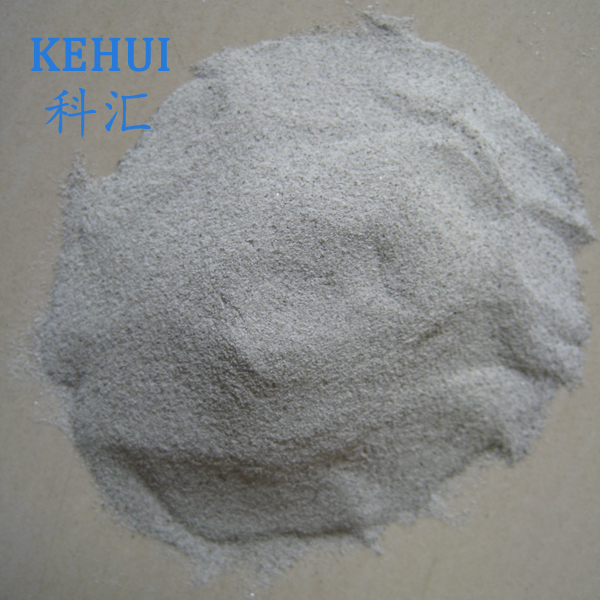
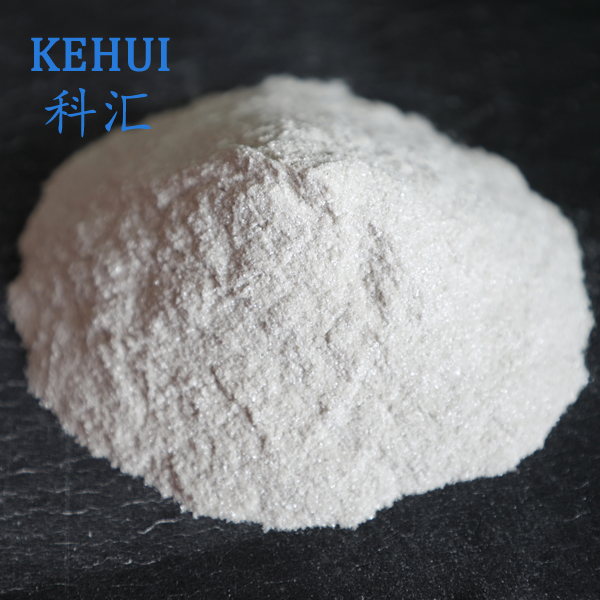
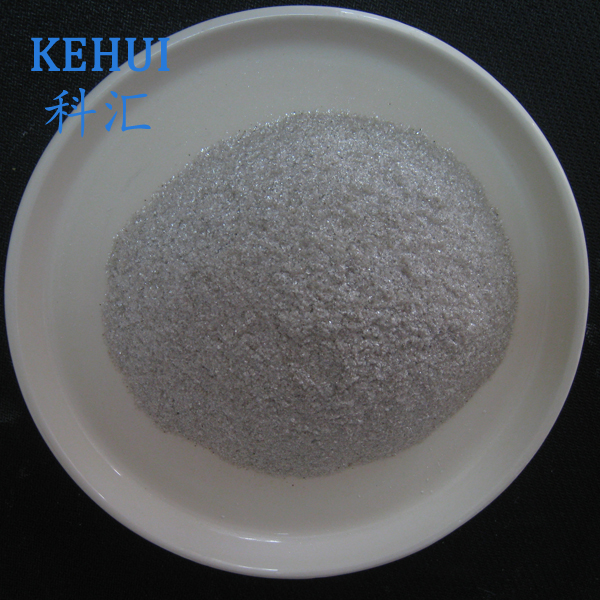
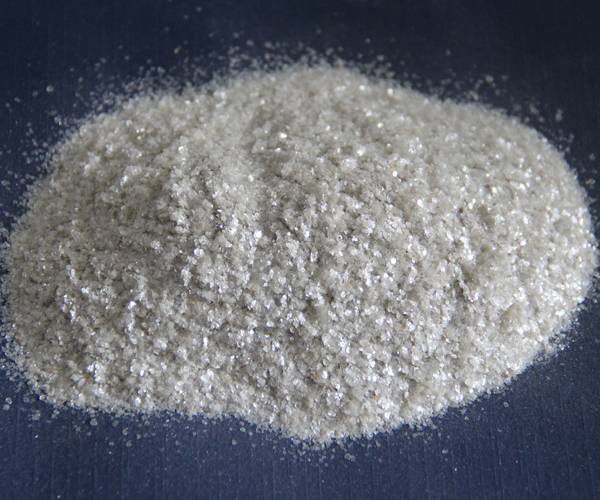
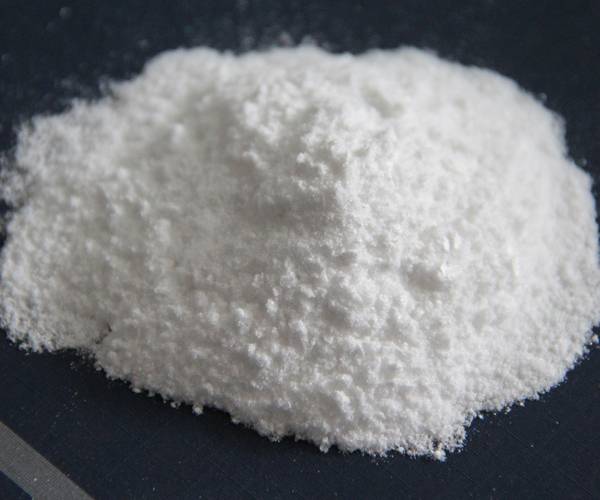
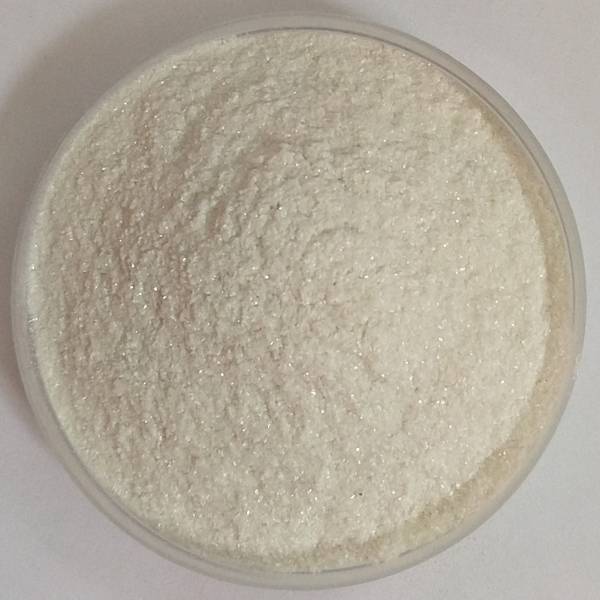
So, what exactly is fine perlite? Simply put, it’s perlite crushed and sieved into smaller granules—usually less than 2 millimeters in diameter. These tiny particles are then heat-expanded to become lightweight, porous, almost foam-like granules. Because of this cellular structure, fine perlite offers excellent thermal insulation, good water retention, and drainage properties.
In modern industry, fine perlite’s lightweight but durable qualities make it indispensable for applications ranging from plaster and concrete additives to soil conditioners in horticulture. It’s also used in filtration systems to purify liquids—think wine, juices, or water treatment plants. The humanitarian angle appears in lightweight construction solutions and disaster relief shelters, where ease of transport and insulation are critical.
Key Characteristics of Fine Perlite
1. Thermal Insulation
Fine perlite’s porous structure traps air, offering exceptional insulating properties. Builders often mix it with cements or plasters to reduce heat transfer, lowering energy costs in homes and industrial facilities alike.
2. Lightweight Material
When expanded, fine perlite becomes incredibly light—about 1/30th the weight of typical rock aggregates. This reduces structural loads and transport emissions, making construction more sustainable.
3. Moisture Retention and Drainage
Gardeners and farmers love it because it helps soil retain water while also improving aeration and drainage. This balance promotes healthier root systems and better crop yields.
4. Chemical Inertness
Fine perlite doesn’t react with most chemicals, so it’s safe to use in filtration or as an additive in environments where chemical stability matters.
5. Cost Efficiency
Compared to synthetic insulators and soil amendments, fine perlite offers a competitive price thanks to low processing complexity and abundant raw material availability.
Mini takeaway: These core traits make fine perlite a flexible, eco-conscious choice across sectors.
Fine Perlite in the Real World: Global Applications
- Construction Industry: Incorporated into lightweight concrete blocks and plaster, fine perlite improves thermal performance without heavy weight. For example, in the European Union’s push toward energy-efficient buildings, fine perlite-enhanced materials help meet stringent insulation standards.
- Agriculture and Horticulture: From Japan’s high-tech greenhouses to smallholder farms in Africa, fine perlite boosts soil quality, water retention, and air circulation. It’s especially valued in hydroponic systems, where soil-less plant growth relies heavily on nutrient retention.
- Filtration: Water treatment facilities globally employ fine perlite as a filtering aid due to its porous texture and chemical resistance. Beverage producers, like wineries, use it to clarify liquids precisely and gently.
- Disaster Relief and Lightweight Modular Housing: In post-disaster rebuilding efforts across Asia and Latin America, fine perlite’s lightweight insulating properties help craft quicker, more durable shelters that can sustain tough climates and reduce transport costs.
Mini takeaway: Fine perlite’s diverse global uses highlight its adaptability and strategic importance.
Advantages and Long-Term Value of Fine Perlite
Choosing fine perlite isn’t just about ticking boxes for performance — it symbolizes a broader commitment to sustainability and innovation. Material scientists and engineers alike recognize:
- Economic Efficiency: Lower building and farming costs thanks to reduced material weight and improved thermal regulation.
- Environmental Impact: Perlite is naturally sourced and non-toxic, supporting greener supply chains versus synthetic alternatives.
- Durability & Safety: Its inert nature extends product lifespans and supports safer environments — be it in buildings or agricultural soils.
- Social Impact: In developing regions, access to affordable perlite-based materials can improve living conditions and food security, fostering dignity and resilience.
So, it’s a win-win from financial, environmental, and social perspectives — which is rarer than you might think in material choices.
Future Trends & Innovations Around Fine Perlite
Looking ahead, several exciting developments promise to expand fine perlite’s utility:
- Green Energy Integration: Researchers are experimenting with perlite-based composites for improved thermal storage in solar power plants.
- Digital Automation: Precision mixing techniques and robotic construction are incorporating fine perlite to optimize material usage and reduce waste.
- Sustainability Certifications: ISO standards are evolving to include criteria for lightweight, low-impact building materials, boosting perlite’s market share.
These trends underscore how fine perlite fits into a future that’s as concerned with reducing emissions as it is with enhancing performance.
Common Challenges & Expert Solutions
Despite its many benefits, fine perlite does come with a few caveats:
- Dust Generation During Handling: The fine powder can irritate if airborne. Solutions include wetting before use or encapsulating in pre-mixed compounds.
- Water Absorption Limitations: For some highly moisture-sensitive applications, perlite’s absorptive capacity may be insufficient alone, calling for hybrid mixtures.
- Consistency Variability: As a mined material, perlite quality can vary depending on the extraction site. Quality control and vendor vetting are essential.
Careful processing, product innovation, and supplier partnerships often resolve these issues. Incidentally, these challenges also drive R&D, meaning the material is steadily improving.
Fine Perlite Product Specifications
| Specification | Typical Value | Unit |
|---|---|---|
| Particle Size | 0.5 - 2.0 | mm |
| Bulk Density (expanded) | 70 - 150 | kg/m³ |
| Water Absorption | 3 - 10 | % (by volume) |
| Thermal Conductivity | 0.06 - 0.08 | W/m·K |
Vendor Comparison of Fine Perlite Suppliers
| Vendor | Quality Grade | Price Range (USD/ton) | Delivery Time | Global Reach |
|---|---|---|---|---|
| Kehui Perlite Ltd. | Premium | $300 - $450 | 2-4 weeks | Asia, Europe, Americas |
| Global Perlite Inc. | Standard | $250 - $380 | 3-5 weeks | North America, Europe |
| Eastern Minerals Corp. | Economy | $210 - $300 | 4-6 weeks | Asia, Africa |
FAQs About Fine Perlite
- What is the ideal particle size for fine perlite in insulation?
- The ideal particle size often falls between 0.5 and 2 mm, balancing lightweight properties with effective thermal insulation. Smaller fines can reduce airflow and improve fire resistance in insulation materials.
- Can fine perlite be used effectively in sandy soils?
- Yes, fine perlite improves water retention and aeration in sandy soils, helping to reduce nutrient leaching and supporting healthier plant growth, especially in arid climates.
- How does fine perlite enhance concrete mixtures?
- By reducing density and improving insulation, fine perlite in concrete mixtures lowers structural load and energy loss without compromising strength, ideal for lightweight construction.
- Is fine perlite considered an eco-friendly material?
- Absolutely. Since it’s a natural volcanic glass expanded via heat without chemical additives, fine perlite is non-toxic, recyclable, and biodegradable, aligning with green building standards.
- How can NGOs import fine perlite internationally?
- NGOs typically collaborate with certified suppliers like fine perlite providers, ensuring compliance with local import regulations, quality certifications, and coordinated logistics for timely delivery.
Conclusion & Call to Action
Fine perlite represents a fascinating bridge between natural materials and cutting-edge applications. Its lightweight nature, sustainability, and versatility make it one of the most practical materials for future-ready industries. In real terms, investing in high-quality fine perlite not only reduces costs but promotes greener, safer environments — which is more important than ever.
If you're curious about how fine perlite can transform your projects or operations, don’t hesitate to explore more detailed product options and expert advice — visit our website at https://www.kehuimica.com.
It’s always a bit remarkable to realize how something seemingly simple can influence so many fields so broadly.
References:
Latest news
-
Global Analysis and Trends of the Calcined Mica Flakes MarketNewsApr.16,2026
-
Technical Benefits of Calcined Mica for Welding ElectrodesNewsApr.09,2026
-
Superior Calcined Mica for Electrical Insulators Applications and BenefitsNewsApr.07,2026
-
Exploring the Versatility of Calcined Mica for Decoration and Diverse ApplicationsNewsApr.04,2026
-
Exploring Calcined Mica Properties Applications and Sourcing OptionsNewsMar.31,2026
-
Exploring the Versatile Applications of Mica Flakes Powder Across IndustriesNewsMar.28,2026
-
Comprehensive Guide to 100 Mesh Mica Powder Applications and Industrial BenefitsNewsMar.26,2026
Related Products