Jan . 28, 2026 11:15
Back to list
Exploring the Versatile World of Mica Powder and Its Diverse Applications
Mica Powder: A Comprehensive Guide & Applications
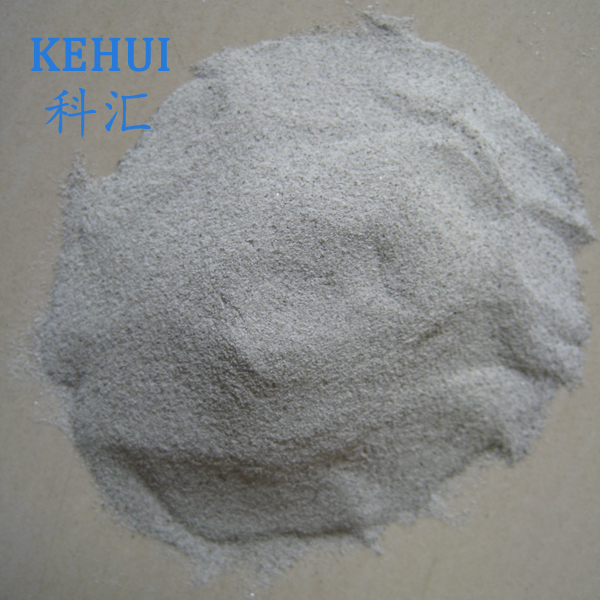
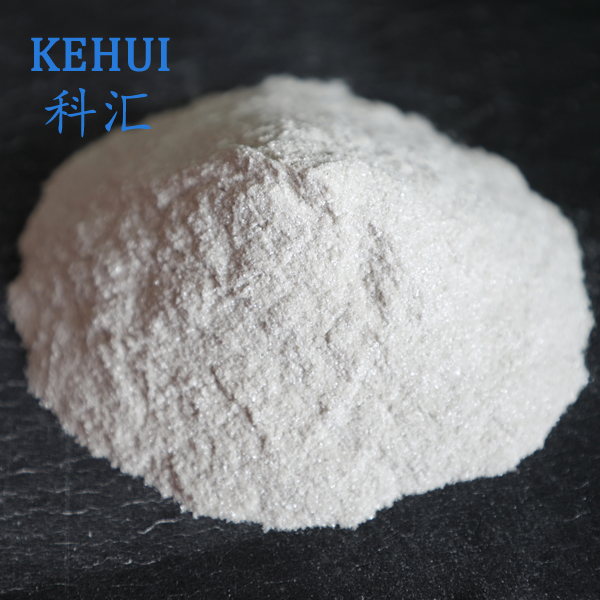
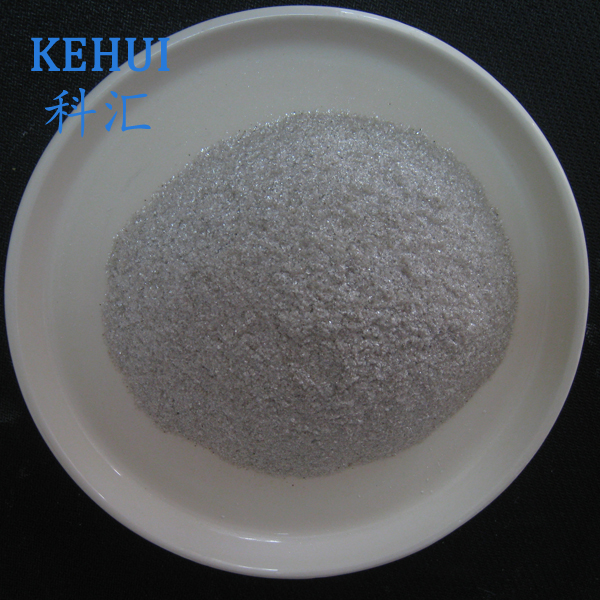
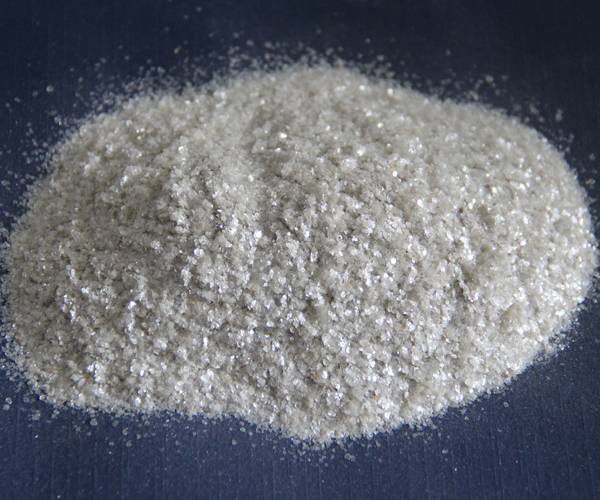
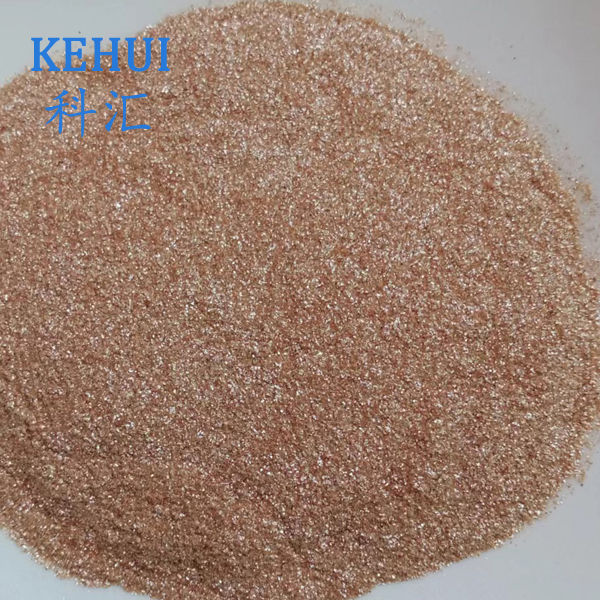
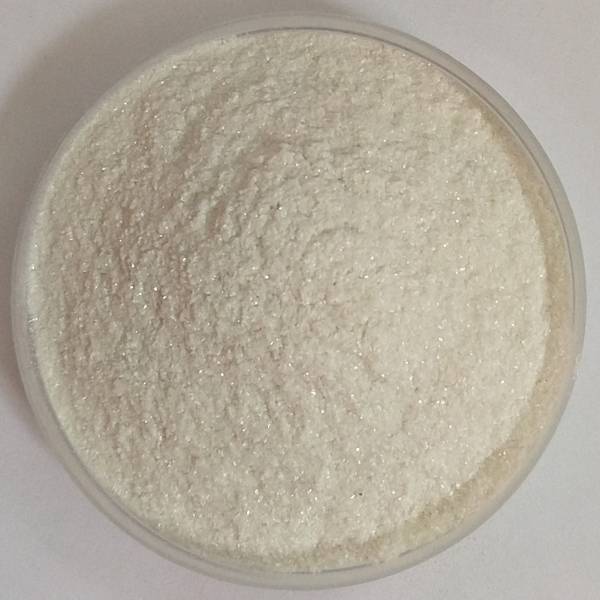
Mica powder is a versatile mineral used across a multitude of industries, from cosmetics and paints to plastics and construction. Its shimmering appearance, combined with unique properties like heat resistance and dielectric strength, make it a highly sought-after ingredient. This article will explore the diverse applications of mica powder, its benefits, and how to choose the right type for your specific needs. Understanding the different grades and characteristics of mica powder is crucial for achieving optimal results in your projects.
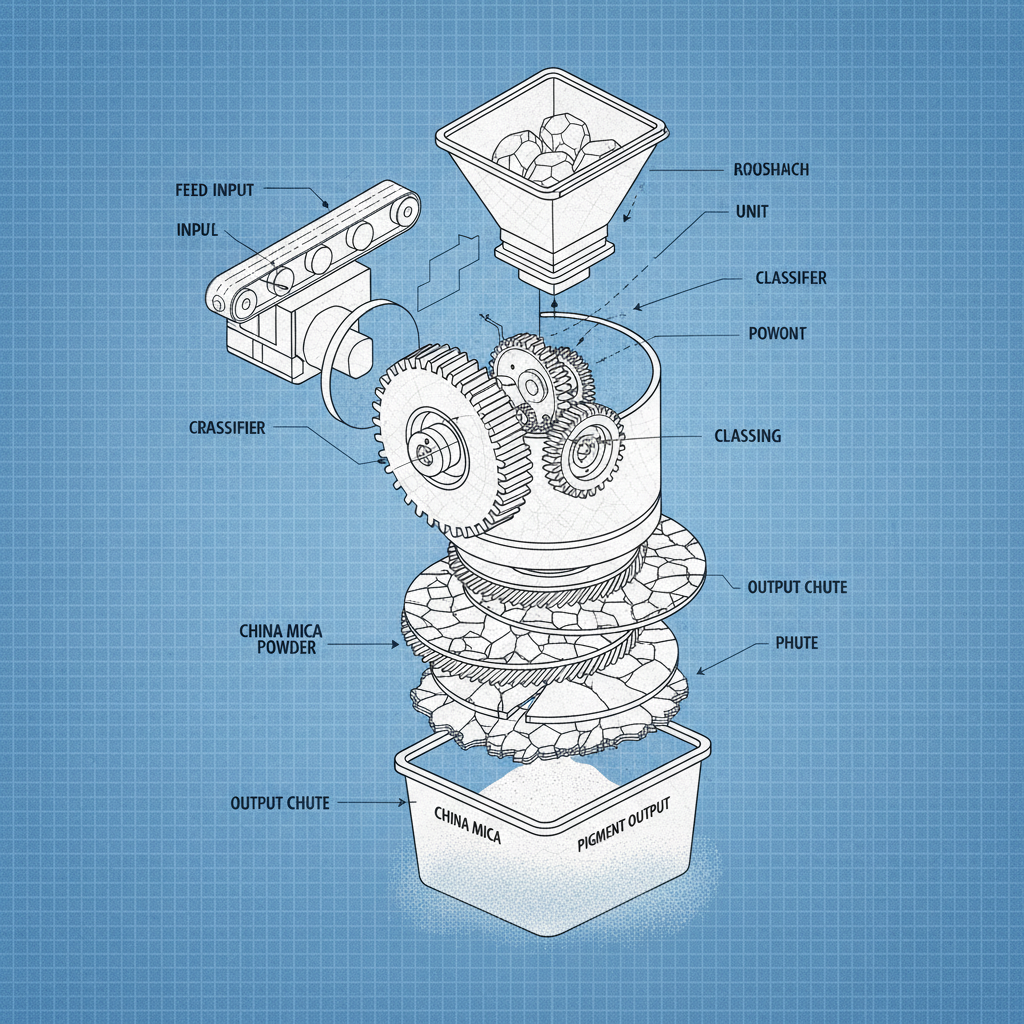
What is Mica Powder and Why is it Popular?
Mica is a naturally occurring mineral composed of silicate materials. It's renowned for its perfect cleavage, meaning it splits easily into thin, flexible, and transparent sheets. These sheets give mica powder its distinctive pearlescent and shimmering effect. The popularity of mica powder stems from its inertness, stability, and non-toxicity. It doesn't readily react with other chemicals, making it safe for use in a variety of applications. Moreover, it provides excellent coverage and a luxurious feel, making it a favorite in cosmetics and personal care products.
Key Benefits: Inertness, stability, non-toxicity, excellent coverage, and a luxurious shimmering effect.
Applications of Mica Powder Across Industries
The versatility of mica powder is remarkable. It's widely used in the cosmetics industry for creating shimmering eyeshadows, blush, highlighters, and lipsticks. In the paint and coatings sector, it enhances durability, weather resistance, and appearance. The plastics industry utilizes mica powder as a reinforcing filler, improving mechanical properties and thermal stability. Even in the automotive industry, mica is used in undercoating to prevent corrosion and reduce noise. Its dielectric properties also make it valuable in the electronics industry.
Application Areas:
• Cosmetics (eyeshadow, blush, highlighter)
• Paints and Coatings (durability, aesthetics)
• Plastics (reinforcement, thermal stability)
• Automotive (undercoating, corrosion prevention)
Different Types of Mica Powder: A Comparison
Not all mica powder is created equal. There are different types, each with unique properties and best-suited applications. Muscovite mica is known for its high heat resistance and excellent dielectric properties, making it ideal for electronics. Phlogopite mica is softer and more flexible, commonly used in cosmetics and paints. Synthetic mica, also known as fluorphlogopite, offers superior purity and consistency compared to natural mica, leading to more vibrant colors and better performance in cosmetic formulations. Choosing the right type is crucial for achieving the desired outcome.
Choosing the Right Mica Powder Supplier: Quality and Consistency
Selecting a reputable mica powder supplier is crucial for ensuring consistent quality and performance. Look for a supplier that offers detailed product specifications, including particle size distribution, purity levels, and color characteristics. Third-party testing and certifications can provide further assurance of quality. Consider the supplier's ability to meet your specific volume requirements and provide reliable delivery. Kehui Mica prioritizes quality control and consistent supply, offering a wide range of mica powders to meet diverse industrial needs.
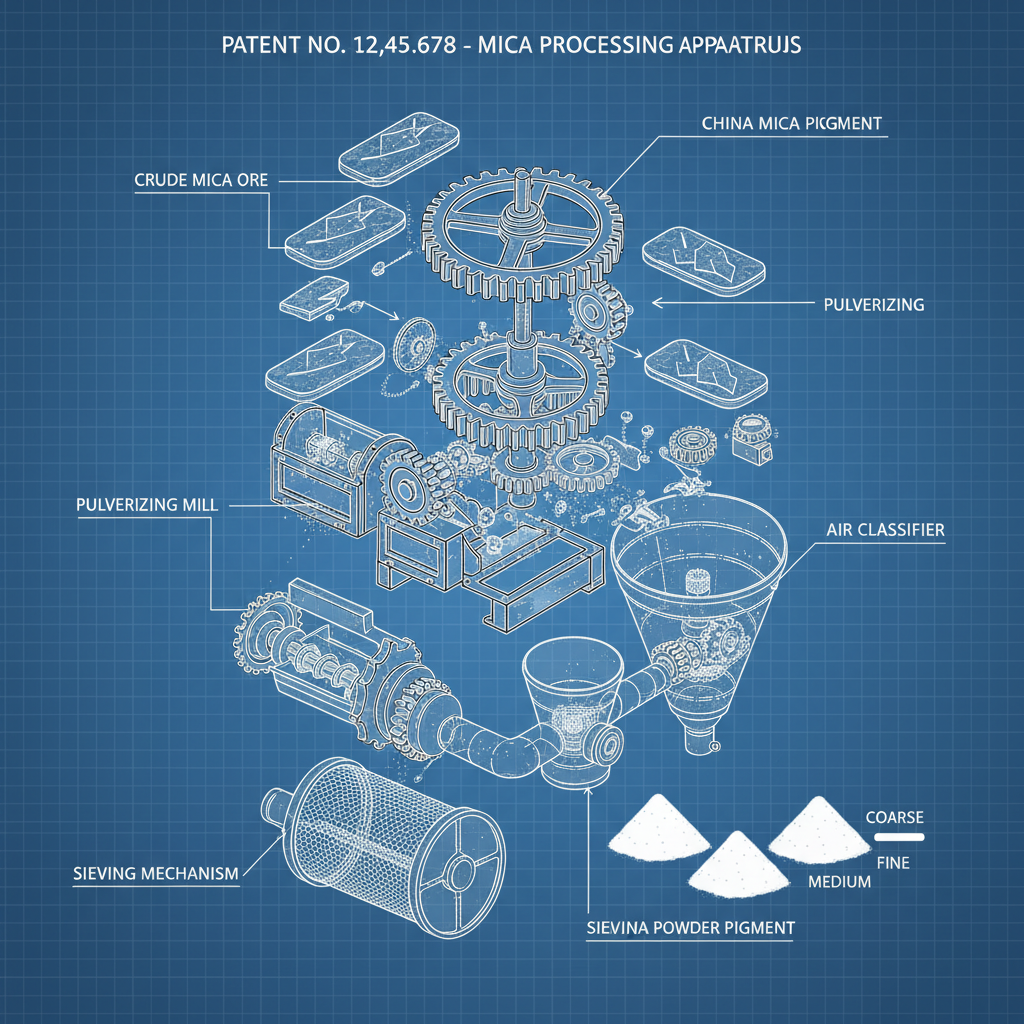
Product Specifications: Kehui Mica's Standard Grades
To give you a better understanding of the quality you can expect, here's a table outlining the specifications for some of our standard mica powder grades:
Conclusion: Unlock the Potential of Mica Powder
Mica powder is a remarkably versatile material with a broad spectrum of applications. Understanding the different types, properties, and quality considerations is essential for maximizing its benefits in your specific projects. With its unique aesthetic appeal and functional advantages, mica powder continues to be a valuable ingredient across countless industries. Kehui Mica is dedicated to providing high-quality mica powders and expert support to help you achieve your goals.
Frequently Asked Questions (FAQs)
Is mica powder safe for cosmetic use?
Yes, mica powder is generally considered safe for cosmetic use when sourced from reputable suppliers and used within recommended concentrations. However, it’s important to ensure the mica is free from contaminants like asbestos. Always choose cosmetic-grade mica powder from a trusted source that provides certification of purity and safety. The use of synthetic mica, or fluorphlogopite, offers an even higher level of purity and is often preferred for sensitive skin applications. We at Kehui Mica adhere to strict quality control standards to ensure our cosmetic-grade mica powders are safe and compliant with industry regulations.
How do I store mica powder to maintain its quality?
To maintain the quality of mica powder, store it in an airtight container in a cool, dry, and dark place. Exposure to moisture, direct sunlight, and extreme temperatures can degrade the powder's properties and affect its appearance. Avoid storing it near strong odors or chemicals, as mica powder can absorb these. Properly stored mica powder can retain its quality for years.
Can mica powder be used in epoxy resin?
Yes, mica powder is frequently used in epoxy resin to create shimmering, pearlescent effects. The amount of mica powder added will influence the intensity of the color and shimmer. It’s best to start with a small amount and gradually add more until the desired effect is achieved. Ensure the mica powder is thoroughly mixed into the epoxy resin to prevent clumping and ensure even distribution of the color and shimmer. Kehui Mica offers a range of mica powders specifically designed for use in epoxy resin applications.
What is the difference between natural and synthetic mica?
Natural mica is mined from the earth and can contain trace impurities. Synthetic mica (fluorphlogopite) is produced in a laboratory, resulting in a higher level of purity and more consistent particle size. Synthetic mica typically offers more vibrant colors and better performance in cosmetic applications, while natural mica is often more cost-effective. The choice between the two depends on your specific requirements and budget.
Next:
Latest news
-
Global Analysis and Trends of the Calcined Mica Flakes MarketNewsApr.16,2026
-
Technical Benefits of Calcined Mica for Welding ElectrodesNewsApr.09,2026
-
Superior Calcined Mica for Electrical Insulators Applications and BenefitsNewsApr.07,2026
-
Exploring the Versatility of Calcined Mica for Decoration and Diverse ApplicationsNewsApr.04,2026
-
Exploring Calcined Mica Properties Applications and Sourcing OptionsNewsMar.31,2026
-
Exploring the Versatile Applications of Mica Flakes Powder Across IndustriesNewsMar.28,2026
-
Synthetic Mica Flakes- Kehui Mica Co.|Heat-Resistant, High WhitenessNewsMar.27,2026
Related Products