Dec . 13, 2025 01:25
Back to list
Explore High-Quality Mica China for Industrial Applications | Kehui Mica
Mica China is a key solution in the industry, specifically within sectors such as electronics, construction, and automotive manufacturing. This article explores how https://www.kehuimica.com supports professionals with durable, high-performance products, and explains why this product is an ideal choice for businesses in these sectors.
Table of Contents
- Mica China Overview
- Benefits & Use Cases of Mica China
- Cost, Maintenance & User Experience
- Sustainability & Market Trends
- Frequently Asked Questions about Mica China
- Conclusion on Mica China from China
Mica China Overview
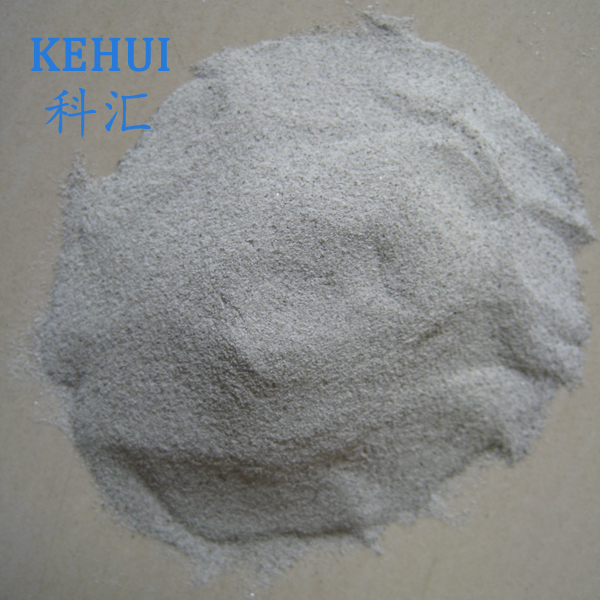
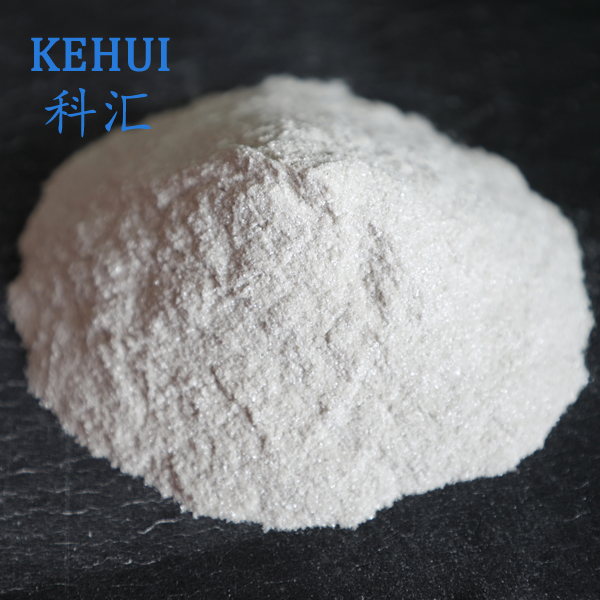
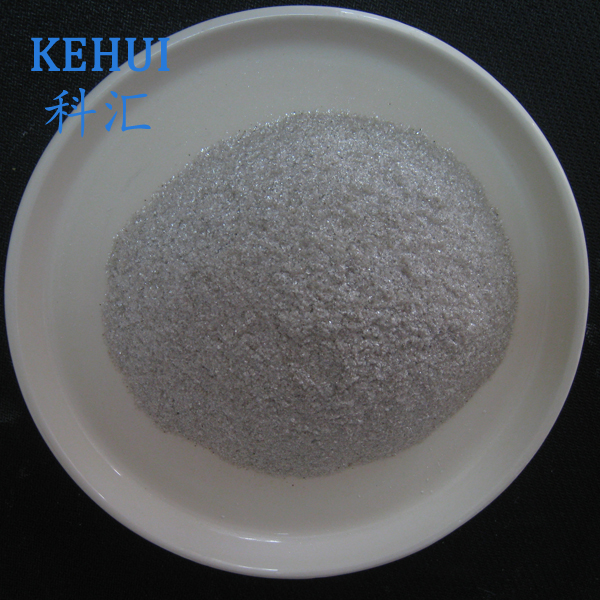
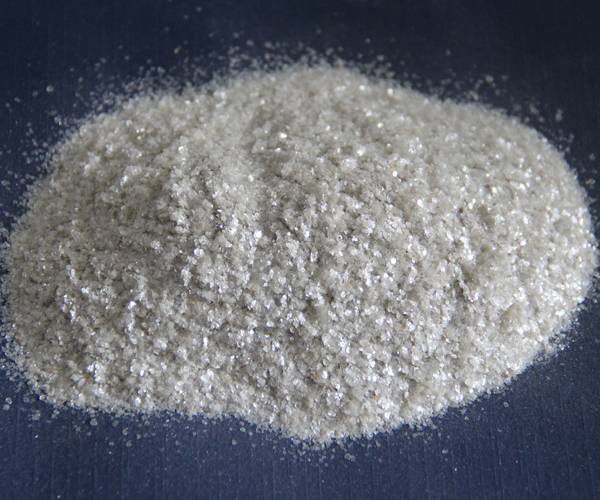
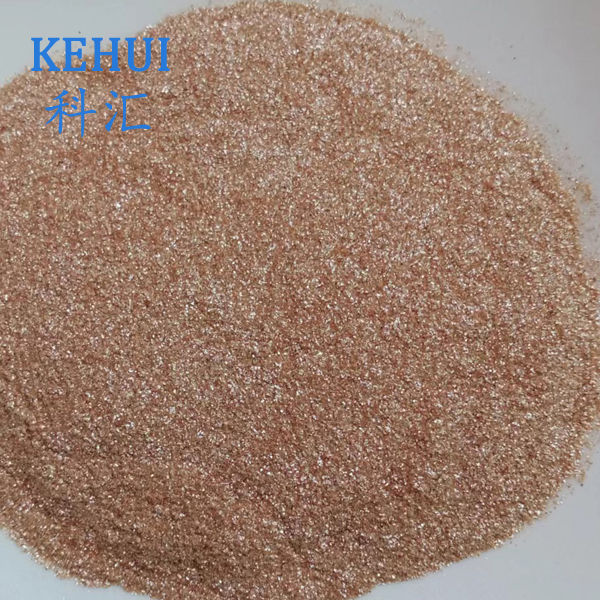
At its core, Mica China refers to naturally occurring silicate minerals mined and processed primarily within China, prized for their thermal resistance, electrical insulation qualities, and mechanical strength. Frankly, these features have made mica a sort of unsung hero in industries that require materials able to perform under intense conditions—think electronics, automotive, and even aerospace.
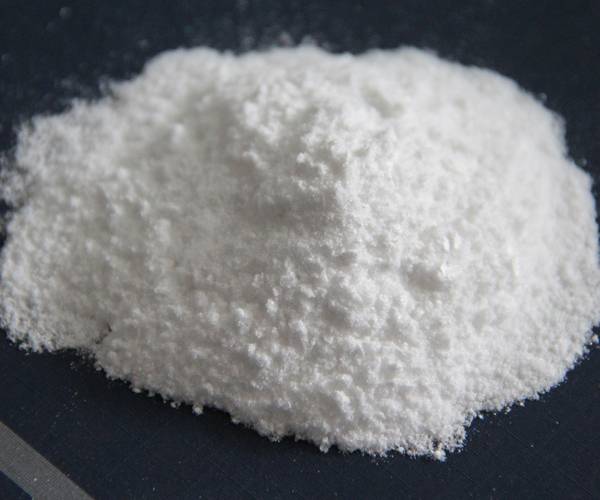
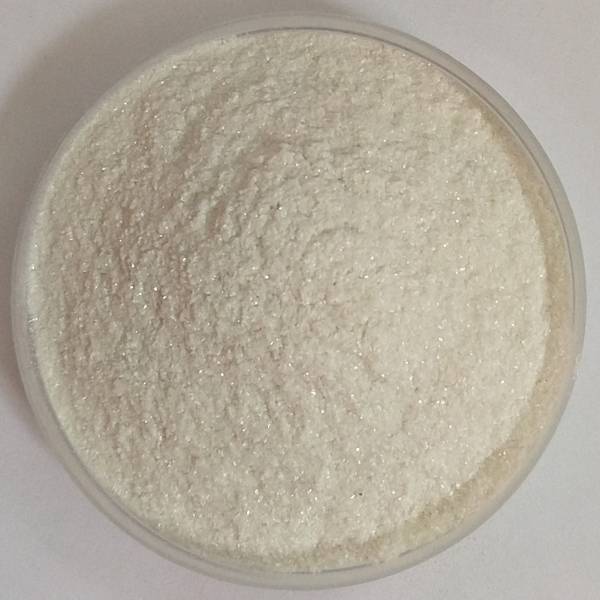
Technically speaking, mica sheets and powders derived from Chinese mines undergo rigorous refining to ensure minimal impurities. For instance, phlogopite and muscovite mica variants often come into play, with specifications like particle size distribution, whiteness, and mineral composition demanding close control. A case study from a leading electronics manufacturer using Kehui’s mica showed a 20% improvement in insulation performance after switching suppliers—yes, these small tweaks matter a lot when scaled up.
| Specification | Typical Range | Notes |
|---|---|---|
| Particle Size | 1 - 50 microns | Varies by application |
| Whiteness | 80% - 90% | Critical for cosmetics, coatings |
| Thermal Stability | Up to 1000°C | Ideal for electrical insulation |
| Bulk Density | 0.3 - 0.6 g/cm³ | Depends on processing |
Benefits & Use Cases of Mica China
What’s interesting is how mica from China specifically fits into numerous industrial niches. For one, its natural electrical insulation and heat resistance make it indispensable in manufacturing capacitors, transformers, and other electrical devices. Oddly enough, you’ll find mica also improving the durability and flexibility of automotive brake pads and clutch facings where resistance to heat and wear is non-negotiable.
Additionally, mica’s inertness and plate-like structure enhance composite materials in coatings, plastics, and even cosmetics. It’s this versatility that gives Mica China a competitive edge—offering customizable particle sizes and purity levels, so users can tailor performance to their exact needs.
Vendor Comparison Table
| Vendor | Purity (%) | Product Range | Lead Time | Price (per ton) |
|---|---|---|---|---|
| Kehui Mica | 90% | Sheets, Powder, Flake | 3-5 weeks | $1,100 |
| Vendor B | 85% | Powder, Flake | 6-8 weeks | $950 |
| Vendor C | 88% | Sheets Only | 4-6 weeks | $1,200 |
Cost, Maintenance & User Experience
Now, on the matter of cost and maintenance, many decision makers I chatted with put a premium on total cost of ownership rather than just initial purchase price. Mica China products from reputable suppliers like Kehui tend to be slightly pricier upfront but offset that with exceptional durability and less frequent replacement cycles—which frankly, adds up to better ROI.
User feedback often praises the consistent quality and flexible delivery options, which means downtime is minimal. In real terms, that translates to smoother production lines and fewer quality control hiccups—both of which count heavily in tight-margin industries. One automotive component maker even noted a 15% reduction in overall production waste after switching to Kehui's mica sheets.
Sustainability & Market Trends
Sustainability is, of course, a growing factor in sourcing decisions. Mining mica can be controversial, but China’s industrial mica production now often incorporates stricter environmental guidelines, safer extraction methods, and fair labor practices. You’ll find that suppliers like Kehui are increasingly certified to environmental standards, which is reassuring in the B2B landscape.
Market trends suggest a steady rise in demand for mica in electronics and renewable energy sectors, driven by evolving technology that needs high-temp stable, lightweight materials. Oddly enough, despite the buzz around synthetic alternatives, natural mica still holds a solid market share due to its unique layered structure and cost-effective performance.
Frequently Asked Questions about Mica China
- What is Mica China and how does it work?
- Mica China refers to mica minerals mined and processed in China, known for their insulating and heat-resistant properties. It works by harnessing the mineral’s layered silicate structure, which provides electrical insulation and thermal stability, making it ideal for industrial applications.
- What are the main benefits of using Mica China in industrial applications?
- Key benefits include excellent thermal resistance (up to 1000°C), electrical insulation, durability, and lightweight nature. It’s also cost-effective compared to some synthetic alternatives, with proven long-term performance under demanding conditions.
- How does Mica China compare to traditional alternatives?
- Compared to traditional insulation materials, Mica China offers superior heat resistance and mechanical strength. While synthetics are emerging, natural mica still has a competitive edge in applications requiring chemical inertness and cost-efficiency.
- What industries can benefit most from Mica China implementation?
- Industries such as electronics manufacturing, automotive (especially brake systems), construction (paints and coatings), and cosmetics can gain tremendously. Products leveraging Mica China often see extended longevity and improved safety.
Conclusion on Mica China from China
To wrap up, Mica China stands out as a reliable, versatile mineral input for B2B sectors that demand high-performance materials. Its natural properties, supported by refined processing standards from producers like Kehui, strike a balance between cost, efficiency, and sustainability. For businesses looking to future-proof their products and production lines, exploring Mica China seems a wise, almost obvious step.
- Recap the value of Mica China as a durable, cost-effective industrial mineral.
- - Visit our website: https://www.kehuimica.com
Sometimes, digging into the finer details of a material like mica reveals its outsized impact in the industries we often take for granted—who knew mineral sheets played such a big backstage role?
Latest news
-
Global Analysis and Trends of the Calcined Mica Flakes MarketNewsApr.16,2026
-
Technical Benefits of Calcined Mica for Welding ElectrodesNewsApr.09,2026
-
Superior Calcined Mica for Electrical Insulators Applications and BenefitsNewsApr.07,2026
-
Exploring the Versatility of Calcined Mica for Decoration and Diverse ApplicationsNewsApr.04,2026
-
Exploring Calcined Mica Properties Applications and Sourcing OptionsNewsMar.31,2026
-
Exploring the Versatile Applications of Mica Flakes Powder Across IndustriesNewsMar.28,2026
-
Comprehensive Guide to 100 Mesh Mica Powder Applications and Industrial BenefitsNewsMar.26,2026
Related Products