Why growers keep coming back to Expanded Clay Pebbles As Plants Growing Media
I’ve toured substrate plants from the Netherlands to North China, and—honestly—few inputs have aged as gracefully as LECA. From vertical farms to hobby terrariums, the buzz hasn’t faded. Kehuimica’s batch from Nanjialiang Village, Lingshou County (Shijiazhuang, Hebei) is one I’ve seen in the wild—steady grading, low dust, and that reassuring, kiln-fired crunch.
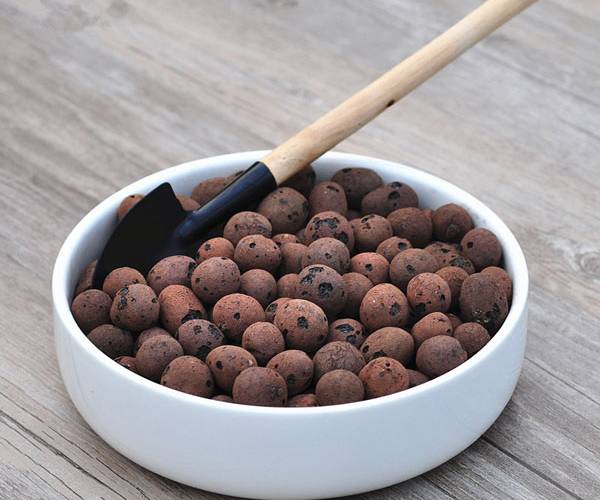
What’s trending in 2025
Two currents stand out: closed-loop hydroponics (water is pricey, nutrients even more so) and low-peat mixes. Lightweight expanded clay aggregates are smack in the middle—chemically inert, reusable, and surprisingly predictable. Many customers say yield variability drops once they swap perlite for Expanded Clay Pebbles As Plants Growing Media, especially in drip and NFT systems.
How it’s made (quick but not too glam)
Material: carefully selected clay, screened for low soluble salts. Method: pelletizing → drying → rotary kiln expansion at ≈1100–1200°C → cooling → multi-stage screening (2–4 mm, 4–8 mm, 8–16 mm, 10–14 mm, 10–20 mm). Tests: sieve analysis (ISO 3310), loose bulk density (EN 1097-3), water absorption (EN 1097-6), pH & EC (EN 13037). Service life in horticulture: around 5–8 years in recirculating systems; real-world use may vary with cleaning cycles and fertilizer regimens.
| Parameter | Typical spec (Kehuimica) |
|---|---|
| Size grades | 2–4, 4–8, 8–16, 10–14, 10–20 mm (sorted) |
| Loose bulk density | ≈ 320–420 kg/m³ |
| Total porosity | ≈ 70–85% |
| Water absorption (24 h) | ≈ 15–25% w/w |
| pH (in water) | 6.5–7.5 |
| EC (1:1.5 v/v) | < 0.5 mS/cm |
| Dust/fines (<2 mm) | < 0.5% by mass |
| Crushing resistance | > 1.2 MPa (particle) |
| Certifications | ISO 9001 plant; RoHS/REACH screening available |
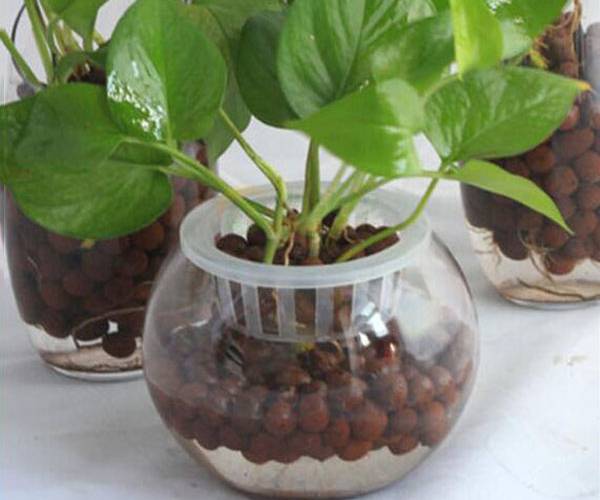
Where it shines
- Hydroponics & aquaponics: stable root-zone aeration; easy sterilization with H₂O₂ or heat.
- Potting mixes: blend 20–40% with coco/compost for orchids, aroids, succulents.
- Vertical farming: consistent drainage in gutter or tower systems; tidy to handle.
- Biophilic interiors: clean substrate for office planters—honestly, janitors love it.
Real-world feedback
A basil grower in Guangzhou reported 4.2% higher uniformity and 11% faster turnover after switching to Expanded Clay Pebbles As Plants Growing Media in DWC rafts; a boutique aquaponics store told me algae cleanup is “half the time” compared with gravel. Not lab-perfect, but consistent enough to matter.
| Feature | Kehuimica (Hebei) | Generic import |
|---|---|---|
| Kiln control | PLC, multi-zone (stable expansion) | Single-zone; variability noted |
| Grading accuracy | Tight (±1–2 mm) | Mixed sizes |
| Dust content | <0.5% (washed) | 1–3% typical |
| Certs/documents | ISO 9001, COA, MSDS, REACH screening | Basic COA only |
| Customization | Pre-washed, buffered, pre-charged | Limited |
| Lead time/MOQ | ≈ 7–15 days / flexible | Unclear |
Customization and QA
Options include pre-washed media for cleanroom-like grow rooms, buffered pH for sensitive orchids, and nutrient pre-charge (low EC) for plug stages. Each lot gets COA with density, EC, and absorption data; batches trace back to kiln logbooks—something auditors appreciate, to be honest.
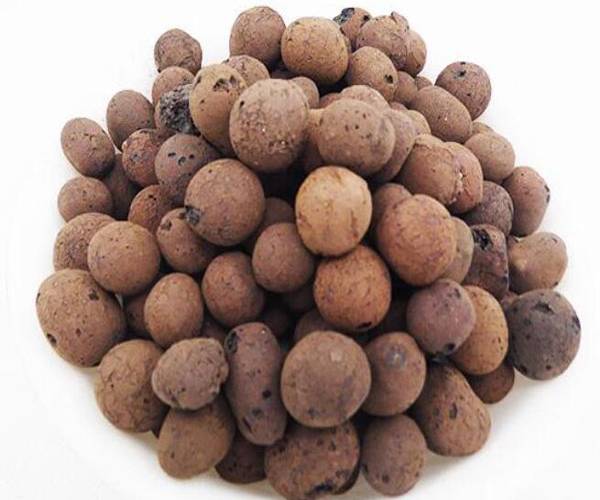
Mini case notes
- Vertical basil farm: 12% reduction in clogged drippers after switching to 8–16 mm.
- Aquaponics demo lab: ammonia spikes stabilized; easier back-flush compared with gravel.
- Corporate interiors: 30% fewer gnats reported when top-dressing planters with 10–14 mm.
If you need a steady, reusable substrate that doesn’t hijack your nutrient recipe, Expanded Clay Pebbles As Plants Growing Media from Hebei is a sensible, almost boringly reliable choice—and that’s a compliment.
Authoritative references
- EN 13055:2016 Lightweight aggregates for concrete, mortar and grout. CEN.
- RHP Quality Mark for Horticulture Substrates – Certification Scheme. RHP.
- ISO 9001:2015 Quality management systems – Requirements. ISO.
- FAO. Small-scale hydroponics as a tool for sustainable vegetable production. FAO, Rome.
Latest news
-
Global Analysis and Trends of the Calcined Mica Flakes MarketNewsApr.16,2026
-
Technical Benefits of Calcined Mica for Welding ElectrodesNewsApr.09,2026
-
Superior Calcined Mica for Electrical Insulators Applications and BenefitsNewsApr.07,2026
-
Exploring the Versatility of Calcined Mica for Decoration and Diverse ApplicationsNewsApr.04,2026
-
Exploring Calcined Mica Properties Applications and Sourcing OptionsNewsMar.31,2026
-
Exploring the Versatile Applications of Mica Flakes Powder Across IndustriesNewsMar.28,2026
-
Synthetic Mica Flakes- Kehui Mica Co.|Heat-Resistant, High WhitenessNewsMar.27,2026
Related Products