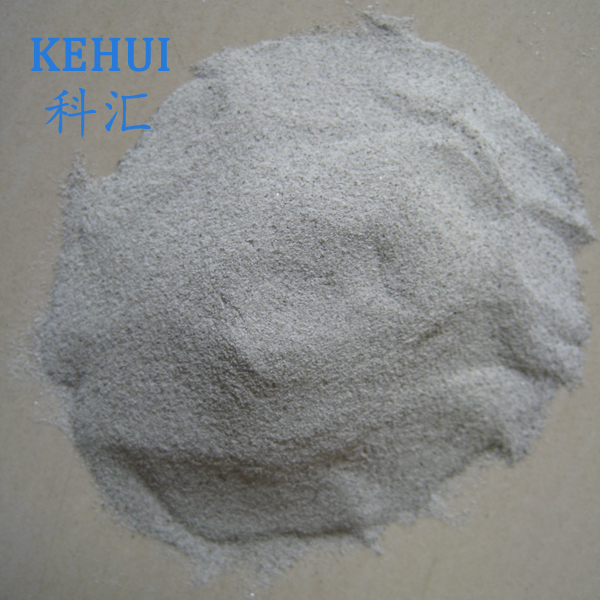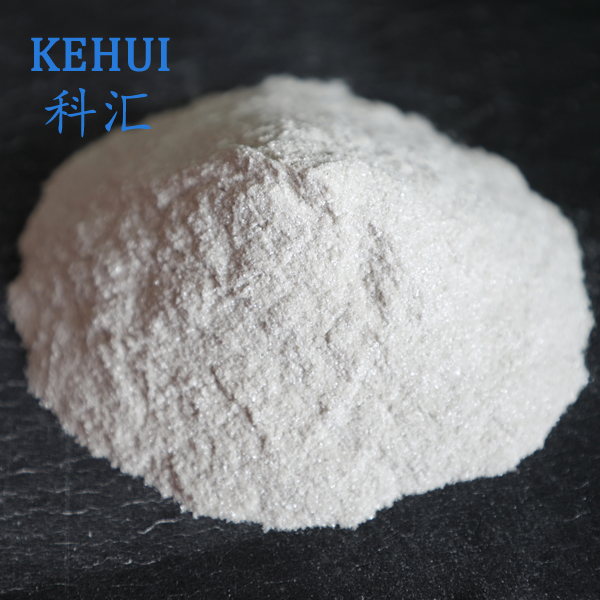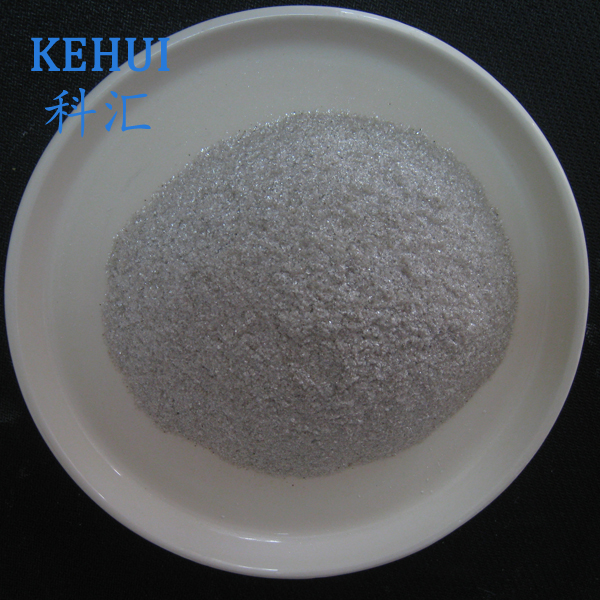
4-8mm Clay Pebbles: A Reliable Choice in Industrial Applications
If you've dipped your toes in the industrial equipment or horticulture sectors, chances are you've encountered 4-8mm clay pebbles. They might seem simple at first glance—just lightweight, porous balls of fired clay—but there's more going on beneath the surface that makes these little things a quiet game-changer in various processes.
Frankly, I've worked around these clay pebbles for years, and the more you learn about their manufacturing and applications, the more you appreciate the engineering precision behind what many see as mere inert media. Oddly enough, their robust mechanical strength and porosity combine in a way you don't often get with other substrates.
What Exactly Are 4-8mm Clay Pebbles?
At their core, these are fired expanded clay aggregates, precisely sized between 4 and 8 millimeters in diameter. This size range is ideal for maximizing air retention and drainage while maintaining a stable structure. Their rounded shape allows easy layering without compacting too much. It feels almost like they're alive when you hold them—rough but lightweight, capable of supporting roots or aiding filtration.
Manufacturers kiln-fire natural clay at high temperatures, creating tiny bubbles inside each pebble, resulting in high porosity. This porous structure is why some of my colleagues call them “breathing media.” In real terms, that porosity translates to exceptional water retention and excellent aeration.
Key Specifications of 4-8mm Clay Pebbles
| Property | Specification |
|---|---|
| Diameter Range | 4-8 mm |
| Bulk Density | 550-650 kg/m³ |
| pH Range | 6.5 - 8.5 (neutral to slightly alkaline) |
| Water Absorption | 15-25% |
| Compressive Strength | >10 MPa |
Why Choose 4-8mm Clay Pebbles?
From water filtration units to hydroponic systems or insulation layers within industrial setups, these pebbles bring a mix of resilience and subtlety. I remember one of our longtime clients—a hydroponics farm—highlighted how switching to the 4-8mm size reduced root rot and improved water drainage. It’s no surprise, considering how these pebbles keep the root zone oxygen-rich while holding just enough moisture.
Many engineers I’ve talked to say the uniformity of size is critical; smaller or larger sizes can cause inconsistent packing, which hurts flow rates. The 4-8mm range strikes a sweet spot: not too dense, not too loose. Plus, they’re inert chemically, so they won’t interfere with sensitive processes or leach unwanted substances.
Customization is also on the table. You might find vendors offering coated or treated variants for specific use cases—for example, hydrophobic coatings to prevent clumping in certain chemical environments.
Vendor Comparison Table
| Vendor | Typical Size Tolerance | Purity (%) | Price Range (USD/ton) | Lead Time |
|---|---|---|---|---|
| Kehuimica | ±0.5 mm | >98% | $220 - $280 | 2-3 weeks |
| ClayPro Aggregates | ±1.0 mm | 96% | $200 - $260 | 3-4 weeks |
| Industrial Clay Works | ±0.7 mm | 95% | $210 - $270 | 4-5 weeks |
When it comes down to it, choosing the right supplier can save headaches later—whether you're worried about delivery schedules, quality consistency, or even after-sales support. I've had one particularly memorable interaction when the technical team at Kehuimica helped troubleshoot a filtration clogging issue, optimizing the media arrangement rather than replacing bulky equipment. That sort of hands-on guidance isn’t standard, frankly.
Wrapping It Up
Overall, 4-8mm clay pebbles remain a versatile, durable, and wise choice for many industrial and horticultural projects. They’re one of those few products where the specs translate directly into real-world reliability—and that, in my line of work, is gold.
So next time you consider substrate options, you know why these simple clay spheres might just surprise you.
References:
1. Industrial Expanded Clay Association, "Clay Aggregate Properties", 2022.
2. Hydroponic Farming Tech Journal, "Optimizing Substrate Size for Root Health," 2023.
3. Kehuimica Technical Resources, accessed 2024.
Latest news
-
Technical Benefits of Calcined Mica for Welding ElectrodesNewsApr.09,2026
-
Superior Calcined Mica for Electrical Insulators Applications and BenefitsNewsApr.07,2026
-
Exploring the Versatility of Calcined Mica for Decoration and Diverse ApplicationsNewsApr.04,2026
-
Exploring Calcined Mica Properties Applications and Sourcing OptionsNewsMar.31,2026
-
Exploring the Versatile Applications of Mica Flakes Powder Across IndustriesNewsMar.28,2026
-
Synthetic Mica Flakes- Kehui Mica Co.|Heat-Resistant, High WhitenessNewsMar.27,2026
-
Synthetic Mica Flakes- Kehui Mica Co.|Heat-Resistant, High WhitenessNewsMar.27,2026
Related Products