Why Expanded Clay Beads are a Game-Changer for Industrial Applications
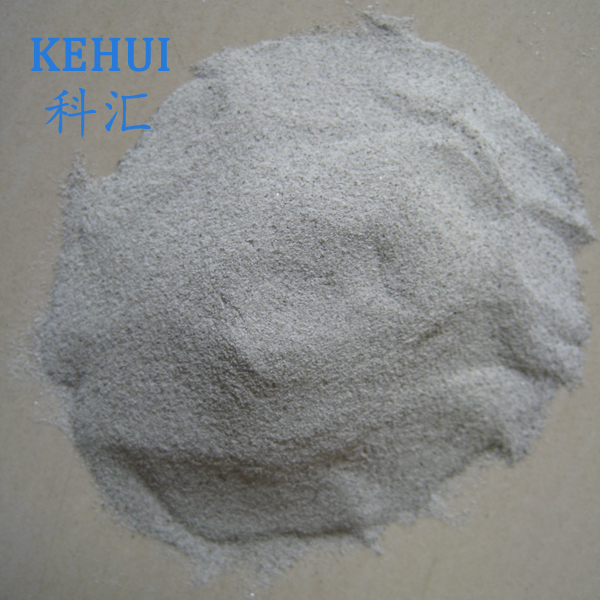
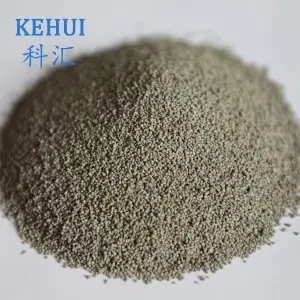
If you’ve spent any time around heavy industry or construction materials, you’ve probably bumped into expanded clay beads without even realizing it. They’re those tiny, lightweight spheres that do a surprisingly heavy lift in a bunch of sectors—from insulation to filtration, and even hydroponics. I remember my first encounter was on a plant floor where they used them as a lightweight aggregate in concrete mixes. It was sort of magical how much less bulk they added without compromising strength. For those unfamiliar, these beads are made by heating certain clays until they expand and puff up like miniature volcanic balls—very porous, incredibly light, and tough as nails. It might sound simple, but don’t underestimate the precision needed during the kiln firing process. The result? A material that’s resistant to fire, water, and chemicals, which means it fits a broad range of industrial needs.What Makes expanded clay beads so effective?
Beyond just being feather-light, expanded clay beads bring a few key benefits that many engineers swear by: Thermal insulation: Their hollow structure traps air efficiently, so they keep heat in or out—ideal for insulating buildings or machinery. Drainage and filtration: In water treatment or even gardening setups, their porous nature allows liquids to flow freely while catching impurities. High compressive strength: Despite their lightness, they withstand a lot of pressure when packed—good for concrete or as a filler material. Frankly, these features make them downright indispensable in areas where weight, durability, and chemical resistance intersect.Product Specifications: Expanded Clay Beads at a Glance
| Specification | Typical Range | Notes |
|---|---|---|
| Particle size | 2 - 16 mm | Sizes vary by application needs |
| Bulk density | 300 – 500 kg/m³ | Light compared to sand or gravel |
| Compressive strength | 4 – 10 MPa | Enough for structural uses |
| Thermal conductivity | 0.09 – 0.15 W/mK | Effective insulation |
| pH value | 7 – 9 | Neutral to mildly alkaline |
Comparing Leading Expanded Clay Beads Vendors
I’ve worked with a handful of suppliers over the years, and each has its quirks—some more specialized than others. It really depends on your project's scale and specific requirements. Here’s a quick rundown:| Vendor | Grade Options | Typical Applications | Delivery Terms |
|---|---|---|---|
| Kehuimica | Multiple from 2-16mm | Construction, filtration, hydroponics | Bulk & pallet shipment |
| ClayPro Industrial | 3 grades, limited sizes | Lightweight concrete, landscaping | Bulk only, minimum order 20 tons |
| GreenPellets Ltd | Custom batches available | Eco-friendly construction, roof insulation | Flexible, small-lot shipping |
It seems obvious, but choosing the right vendor often comes down to the balance of product customization versus cost and delivery speed. I can’t tell you how many times a tight timeframe forced us to pick a slightly pricier supplier just to hit the deadline. In real terms, those expanded clay beads weren’t just filler — they kept a multi-million-dollar project on track.
Closing Thoughts on the Versatility of Expanded Clay Beads
In all honesty, I’m always a bit surprised when people overlook the humble expanded clay bead. Their combination of light weight, strength, and chemical resilience makes them incredibly flexible—from industrial construction to environmentally friendly filtration systems. And you know, there’s a certain satisfaction in working with materials that do their job quietly but reliably. Next time you walk past a building foundation or a hydroponic garden, take a moment to wonder if those tiny clay spheres are working their magic beneath the surface.For anyone interested in sourcing quality expanded clay beads, I can recommend checking out Kehuimica’s range — they’ve been a consistent name in the industry and offer some nice variety to cover different industrial needs.
Thanks for reading my thoughts — it’s a niche topic, but one that never ceases to be part of many industrial stories I hear. If you’re diving into specs or sourcing materials yourself, keep the context in mind. Sometimes, the smallest spheres play the biggest roles.
References:
- Industry reports on lightweight aggregates and insulation materials
- Supplier technical datasheets from Kehuimica and others
- Personal experience with construction projects from 2010-2023
Latest news
-
Global Analysis and Trends of the Calcined Mica Flakes MarketNewsApr.16,2026
-
Technical Benefits of Calcined Mica for Welding ElectrodesNewsApr.09,2026
-
Superior Calcined Mica for Electrical Insulators Applications and BenefitsNewsApr.07,2026
-
Exploring the Versatility of Calcined Mica for Decoration and Diverse ApplicationsNewsApr.04,2026
-
Exploring Calcined Mica Properties Applications and Sourcing OptionsNewsMar.31,2026
-
Exploring the Versatile Applications of Mica Flakes Powder Across IndustriesNewsMar.28,2026
-
Comprehensive Guide to 100 Mesh Mica Powder Applications and Industrial BenefitsNewsMar.26,2026
Related Products