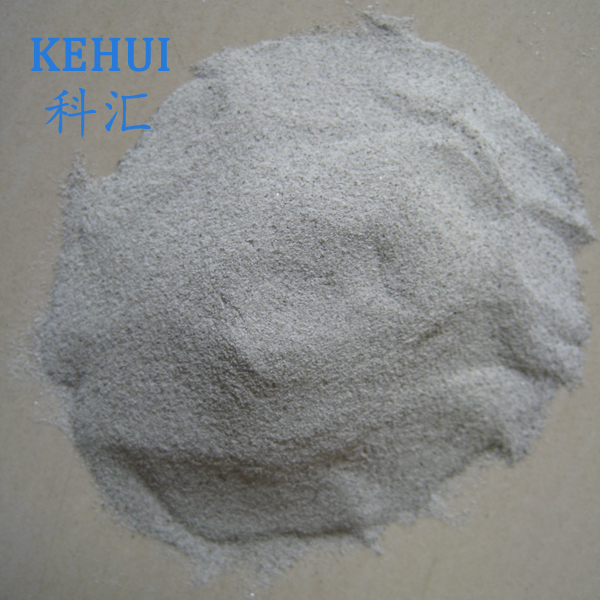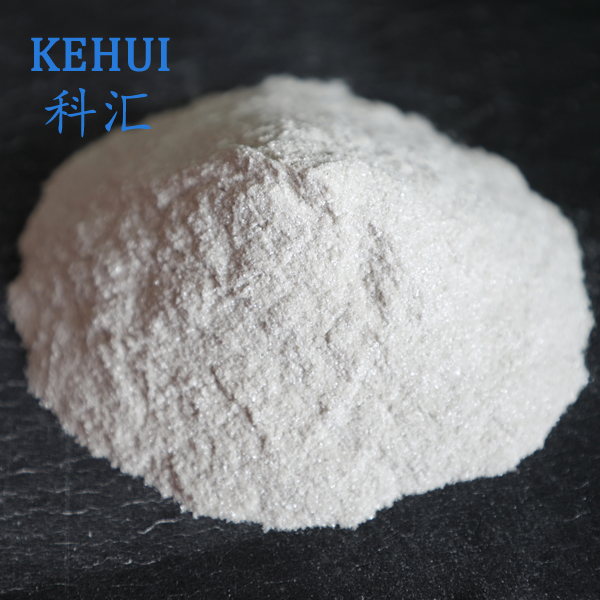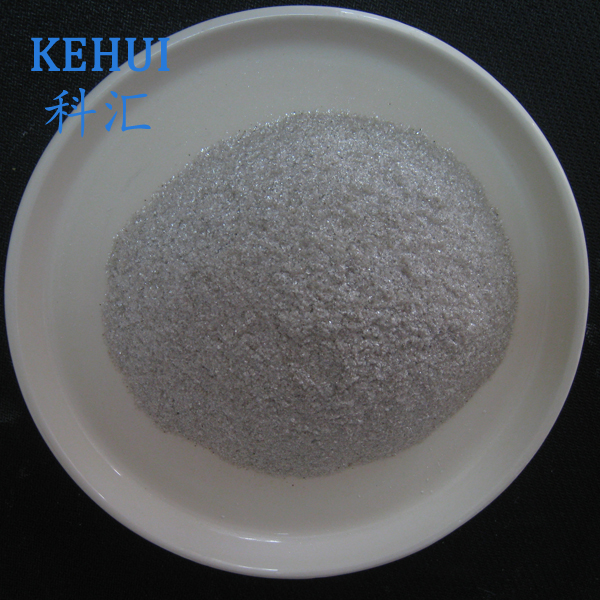
Exploring CZ Expanded Clay Pebbles: The Go-To Medium in Industrial Applications
Having spent over a decade in the industrial equipment sector, I’ve come across countless materials, but CZ Expanded Clay Pebbles stand out for their versatility and performance. Oddly enough, despite being simple in appearance—basically little lightweight clay balls—they pack a serious punch when it comes to functionality.
Expanded clay pebbles are not new, but innovations from CZ have caught the attention of many engineers and operators in filtration, hydroponics, and even lightweight construction. In real terms, these pebbles are baked at high temperatures, which causes the clay to expand and form a hard, porous ceramic shell filled with air pockets inside. That porous nature is what makes them invaluable for aeration and drainage.
From my experience, one of the biggest pluses is their consistency. It feels like every batch adheres to stringent quality control standards—no weird shapes, no dust clumps, and the durability is impressive. In the field, that means fewer surprises and more predictable results. Many engineers I’ve worked alongside praise their excellent compressive strength, which holds up under pressure without crumbling.
Talking specs, here’s a quick snapshot:
| Specification | Details |
|---|---|
| Material | Natural clay, expanded via high-temperature kiln firing |
| Diameter Range | 4–12 mm (standard), customizable |
| Bulk Density | Approx. 350–450 kg/m³ |
| Moisture Absorption | ~15–25% by volume |
| Compressive Strength | >2 MPa |
| pH Level | Neutral to slightly alkaline (7–8) |
As for versatility, I’ve seen CZ Expanded Clay Pebbles perform in hydroponic systems, providing just the right balance of aeration and moisture retention for root health. One memorable project was a vertical farm that switched over to CZ pebbles from conventional rockwool. The results? Quicker growth cycles and less root disease, which frankly was quite impressive.
When shopping around, you’ll notice not all expanded clay pebbles are created equal. So, here’s a quick vendor comparison based on criteria I think matter most in industrial settings:
| Vendor | Price/kg (USD) | Quality Consistency | Customization | Delivery Reliability |
|---|---|---|---|---|
| CZ Kehuimica | 1.50–1.80 | Excellent | Yes, various diameters & grades | Highly reliable |
| Competitor A | 1.25–1.40 | Good | Limited | Moderate |
| Competitor B | 1.70–2.00 | Variable | Yes | Uncertain |
It’s worth noting that the price isn’t the only factor; durability, particle uniformity, and vendor support can significantly influence the final outcome of your project. Honestly, in the industrial sectors I’ve worked for, cutting corners on materials like these almost always backfires.
One small anecdote that stays with me: a company I consulted for once struggled with clogging issues in their filtration system. We recommended switching to CZ’s expanded clay pebbles. After a few adjustments, their system operated three times longer between maintenance cycles. They called it a “game-changer” — and I tend to agree!
To wrap up, CZ Expanded Clay Pebbles are a reliable, well-engineered product that I trust for a variety of industrial applications. The combination of their porosity, strength, and consistent quality truly sets them apart in this niche market. If you’re in hydroponics, water treatment, or even lightweight concrete manufacturing, these pebbles might just be what you need.
And if you want more info or to test samples, check out CZ’s site here. They’re pretty straightforward and know their stuff—always a good sign.
References:
- Industry reports on lightweight aggregates, 2023
- CZ Kehuimica product datasheets and testing archives
- My own field notes and client case studies (2015–2023)
Latest news
-
Global Analysis and Trends of the Calcined Mica Flakes MarketNewsApr.16,2026
-
Technical Benefits of Calcined Mica for Welding ElectrodesNewsApr.09,2026
-
Superior Calcined Mica for Electrical Insulators Applications and BenefitsNewsApr.07,2026
-
Exploring the Versatility of Calcined Mica for Decoration and Diverse ApplicationsNewsApr.04,2026
-
Exploring Calcined Mica Properties Applications and Sourcing OptionsNewsMar.31,2026
-
Exploring the Versatile Applications of Mica Flakes Powder Across IndustriesNewsMar.28,2026
-
Synthetic Mica Flakes- Kehui Mica Co.|Heat-Resistant, High WhitenessNewsMar.27,2026
Related Products