Dec . 03, 2025 19:44
Back to list
Comprehensive Guide to Silver Vermiculite: Properties, Uses, and Global Impact
Understanding Silver Vermiculite: A Versatile Material for Modern Industry
Silver vermiculite might not be a household name, but it plays a surprisingly pivotal role in several critical industries worldwide. This naturally occurring mineral is prized for its lightweight, fire-resistant, and insulating properties, making it indispensable in construction, agriculture, and environmental protection. Understanding silver vermiculite and its applications offers insights into how materials science meets global demands for sustainability, efficiency, and safety.
Global Context: Why Silver Vermiculite Matters Today
Across continents, as industries worldwide seek sustainable alternatives to traditional materials, silver vermiculite’s relevance continues to grow. According to the International Organization for Standardization (ISO), materials that improve energy efficiency and durability are critical in limiting carbon footprints. In this, silver vermiculite shines due to its excellent thermal insulation and lightweight nature.
Moreover, the global construction sector is expected to reach a staggering $15 trillion by 2030, per the World Bank, and materials like silver vermiculite that enhance energy efficiency are becoming frontline solutions in meeting sustainable development goals (UN SDGs). However, challenges such as volatile raw material supplies and cost pressures highlight the need for efficient sourcing and innovation with this mineral.
What Is Silver Vermiculite?
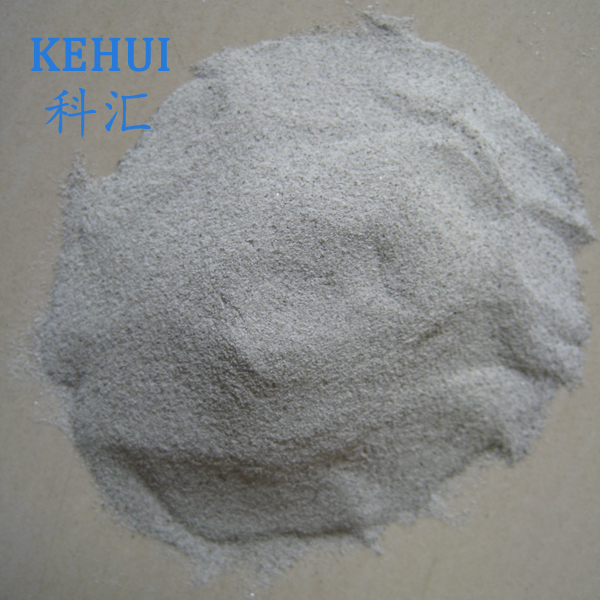
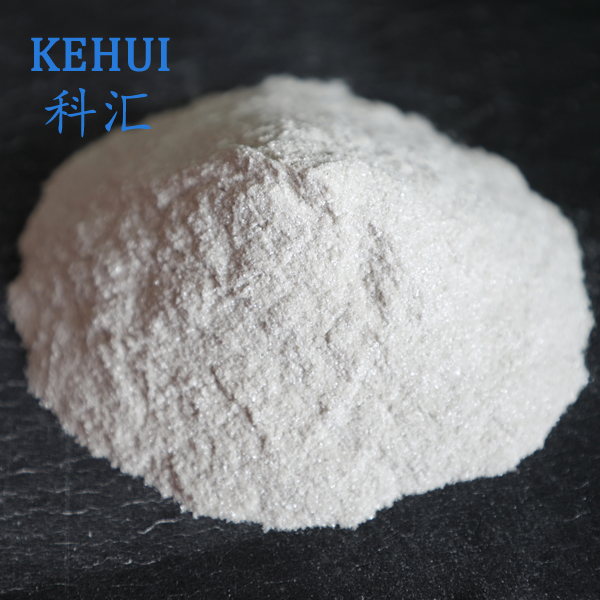
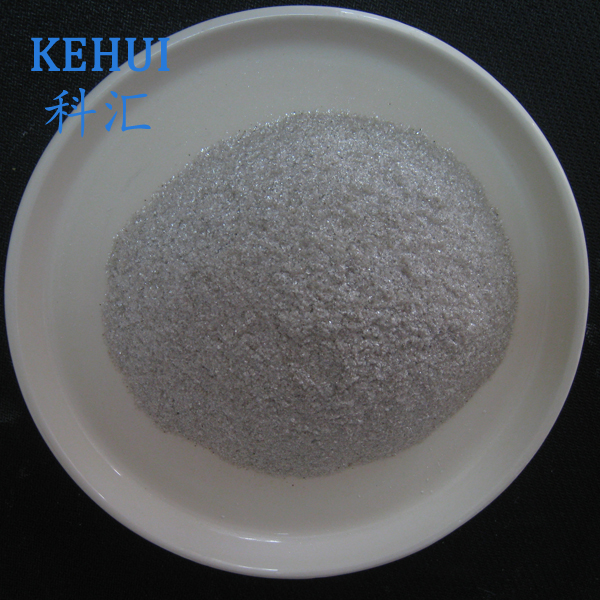
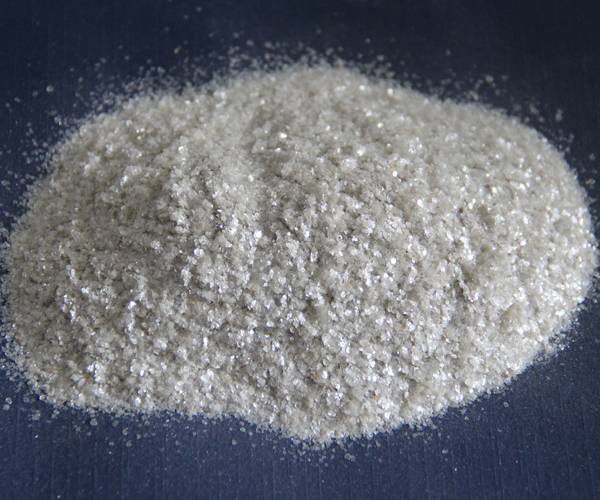
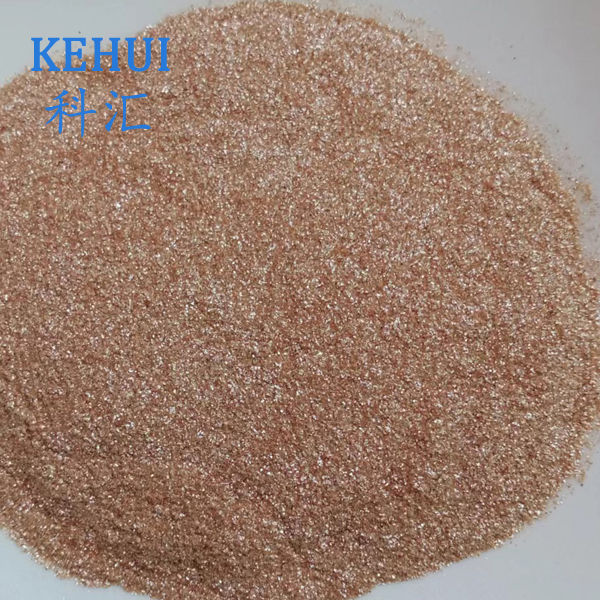
Simply put, silver vermiculite is a flaky, mica-like mineral that expands when heated—a process called exfoliation. This expansion makes it lightweight and porous with a silvery, shiny appearance, hence the name. Its natural fire resistance and moisture retention qualities make it ideal in environments demanding insulation and buffering.
Industrially, silver vermiculite is connected closely with modern needs: from filtering contaminants in wastewater to improving soil aeration in agriculture, it bridges natural mineral properties and human-engineered solutions. It’s an odd but elegant example of a material quietly engineering better lives worldwide.
Key Aspects of Silver Vermiculite
1. Thermal Insulation
It’s frankly impressive how silver vermiculite can resist temperatures soaring beyond 1000°C, protecting structures from extreme heat. This makes it popular for insulating buildings, furnaces, and even fireproof safes.
2. Fire Resistance
Silver vermiculite naturally inhibits combustion — a property that’s valuable in industries where fire risk is high. Its resistance adds a layer of safety and compliance with fire codes.
3. Lightweight & Porous
Because it expands into tiny air pockets when exfoliated, the mineral reduces overall weight drastically. This helps lower transportation costs and structural loads, which engineers appreciate.
4. Moisture Retention & Soil Amendment
In agriculture, silver vermiculite’s ability to hold water without becoming soggy aids plant roots. It’s widely used in potting mixes and hydroponics, often in combination with other materials like perlite.
5. Chemical Stability
It withstands most chemical reactions, which means its performance doesn’t degrade quickly in harsh environments — ideal for environmental remediation efforts.
Product Specifications
| Specification | Value |
|---|---|
| Bulk Density (g/cm³) | 0.09 – 0.15 (exfoliated) |
| Thermal Conductivity (W/m·K) | 0.04 – 0.08 |
| Max Service Temperature | 1100°C |
| pH Level | 7.0 – 9.0 (neutral to mildly alkaline) |
| Water Absorption | Up to 2.2 times its weight |
Mini Takeaway: Silver vermiculite stands out for its impressive mix of thermal resistance, lightness, and moisture handling—qualities that underpin its many applications.
Global Applications & Use Cases
- Construction: Used as insulation in walls, roofs, and floors to reduce energy costs and improve fire safety.
- Agriculture: Enhances soil aeration and water retention, supporting greenhouse and nursery operations globally.
- Environmental Remediation: Filters contaminants in polluted water and stabilizes heavy metals in soils.
- Industrial: Lining materials for high-temperature furnaces and as a packing medium in fire-resistant safes.
For example, in California’s wildfire-prone regions, builders specify vermiculite-containing fireproof barriers to comply with strict codes—helping protect homes and families. Meanwhile, NGOs operating in arid areas leverage vermiculite-enhanced soil mixes to support fragile crop yields.
Vendor Comparison: Leading Suppliers of Silver Vermiculite
| Vendor | Origin | Product Grade | Typical Application | Price Range (USD/ton) |
|---|---|---|---|---|
| Ke Huimica | China | Exfoliated Silver Grade | Industrial insulation & agriculture | $350 - $400 |
| SEP Minerals | USA | Fine & Medium Grades | Horticulture & fireproofing | $400 - $450 |
| Atlas Minerals | South Africa | Agriculture Grade | Soil amendment | $300 - $350 |
Mini Takeaway: Variations in grade and price show how sourcing silver vermiculite depends on specific industry needs—a choice between purity, location, and cost.
Advantages and Long-Term Value
On the upside, silver vermiculite reduces energy bills by enhancing insulation. It adds a fire-retardant safety layer for occupants, which frankly, offers peace of mind. Plus, its soil applications contribute to better crop yields and less water usage — a practical environmental win.
Socially, it's a trustworthy material powering sustainable building practices and disaster-resistant agriculture, reinforcing dignity through safer housing and dependable food sources. Economically, its relatively low cost and longevity make silver vermiculite a smart choice for long-term investment in infrastructure.
Emerging Trends & Innovations
Scientists are exploring nano-enhanced vermiculite composites that could push thermal performance even further. Meanwhile, automation in exfoliation processes is improving precision and scalability, driving down costs.
On the sustainability front, vermiculite’s role in green building standards is growing; governments are incorporating it into energy codes as part of broader carbon reduction strategies. Oddly enough, even space agencies have considered vermiculite’s lightweight insulation for extraterrestrial habitats!
Challenges and Practical Solutions
Despite its many strengths, sourcing high-purity silver vermiculite sustainably is a challenge. Mines are often remote, and quality varies widely. Some industries face logistical delays due to trade regulations or supply chain disruptions.
Experts suggest building diversified supplier networks and improving mining practices with stricter environmental controls. Also, blending vermiculite with other materials can optimize costs without compromising performance.
FAQ: Common Questions About Silver Vermiculite
- What distinguishes silver vermiculite from other types?
- Silver vermiculite is recognized for its unique silvery sheen and high purity. It also exfoliates to a larger volume, offering better insulation and moisture retention compared to some other vermiculite varieties.
- How long does silver vermiculite last in building applications?
- When properly installed, it can last decades without significant degradation due to its chemical stability and resistance to mold and pests.
- Is silver vermiculite an eco-friendly option?
- Yes, compared to synthetic insulation materials, silver vermiculite is natural, recyclable, and often locally sourced, reducing environmental impact.
- Can vermiculite be used in disaster relief?
- Absolutely. Its fire resistance and insulation qualities make it ideal for emergency shelters where safety and thermal comfort are vital.
- How can businesses procure silver vermiculite internationally?
- Partnering with reputable mineral suppliers like Ke Huimica ensures compliance with import regulations and consistent quality, supported by clear documentation and global logistics expertise.
Conclusion: Why Silver Vermiculite Should Be on Your Radar
Silver vermiculite is more than just a mineral. It's a versatile, reliable partner in today's quest for safer, sustainable, and efficient materials. Its wide-ranging applications and intrinsic properties empower industries to tackle modern challenges head-on.
If your projects aim to innovate with trusted, long-lasting insulation or soil enhancements, it’s worth exploring silver vermiculite's benefits firsthand. For detailed product options and expert guidance, consider visiting Ke Huimica—a leader in quality silver vermiculite supply.
Final thought: In the vast world of materials, silver vermiculite quietly but confidently helps shape a more sustainable and safe future—kind of a hidden hero, really.
References:
1. ISO Standards
2. World Bank Global Market Data
3. Wikipedia: Vermiculite
Latest news
-
Technical Benefits of Calcined Mica for Welding ElectrodesNewsApr.09,2026
-
Superior Calcined Mica for Electrical Insulators Applications and BenefitsNewsApr.07,2026
-
Exploring the Versatility of Calcined Mica for Decoration and Diverse ApplicationsNewsApr.04,2026
-
Exploring Calcined Mica Properties Applications and Sourcing OptionsNewsMar.31,2026
-
Exploring the Versatile Applications of Mica Flakes Powder Across IndustriesNewsMar.28,2026
-
Synthetic Mica Flakes- Kehui Mica Co.|Heat-Resistant, High WhitenessNewsMar.27,2026
-
Synthetic Mica Flakes- Kehui Mica Co.|Heat-Resistant, High WhitenessNewsMar.27,2026
Related Products