Dec . 03, 2025 20:30
Back to list
Comprehensive Guide to Expanded Vermiculite: Uses, Benefits & Global Impact
Expanded Vermiculite: A Versatile Mineral with Global Impact
When you hear expanded vermiculite, you might picture something rather niche or technical—but in reality, it's one of those quietly powerful materials shaping industries from construction to agriculture and humanitarian relief. This lightweight, fire-resistant mineral not only helps improve infrastructure but also plays a critical role in sustainable development worldwide. Understanding its characteristics and applications can unlock new possibilities in solving pressing challenges, be they climate-related or disaster-driven.
Introduction: The Global Relevance of Expanded Vermiculite
Globally, construction and insulation materials are undergoing transformation as calls for sustainability and efficiency accelerate. According to the United Nations Environment Programme, nearly 40% of global carbon emissions come from building construction and materials production, underscoring an urgent need for greener alternatives. Enter expanded vermiculite—a naturally occurring mineral that expands when heated, creating porous, lightweight particles ideal for insulation, soil conditioning, and even fireproofing. Its applications are increasingly vital in emerging economies and industrialized nations alike.
One challenge this material addresses is cost-effective fire and thermal insulation in resource-constrained settings. For example, many post-disaster housing projects depend on affordable materials that reduce energy consumption without sacrificing safety. Expanded vermiculite’s unique properties make it attractive for these scenarios.
Mini Takeaway: Expanded vermiculite is gaining global traction as a sustainable, efficient material solution amid rising construction and environmental challenges.
What Is Expanded Vermiculite?
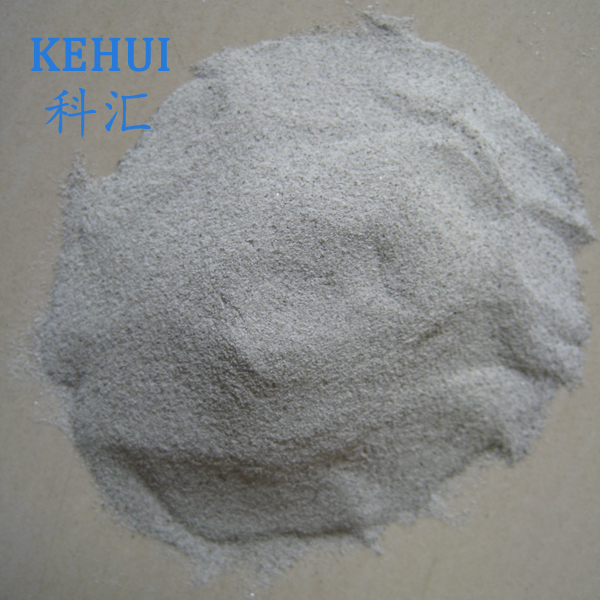
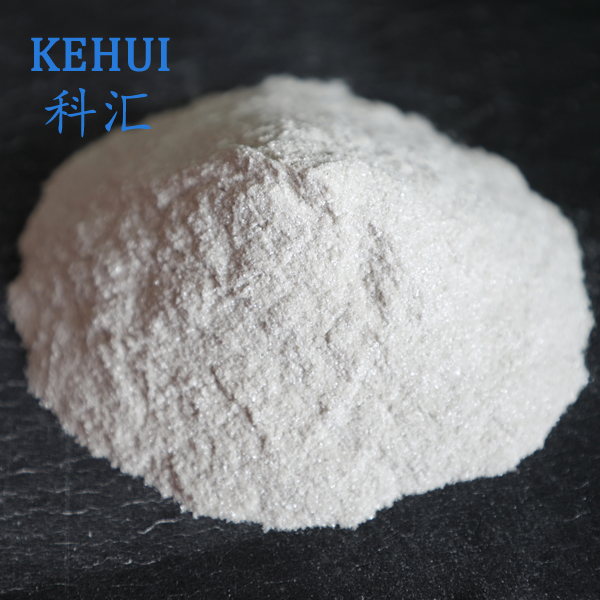
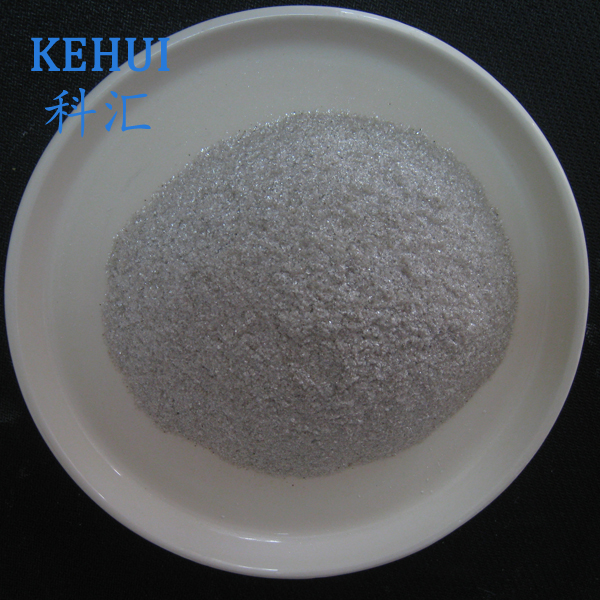
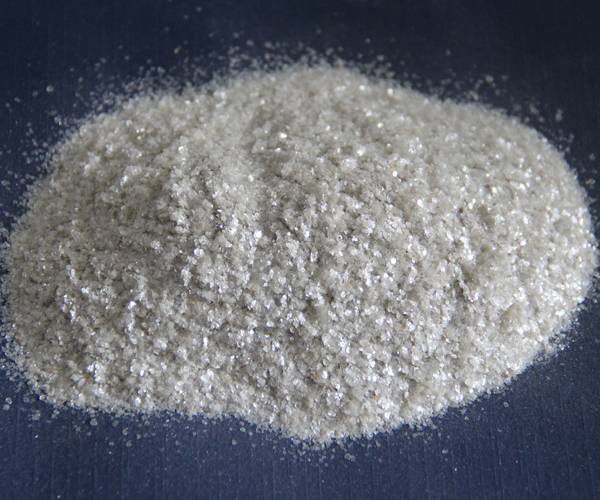
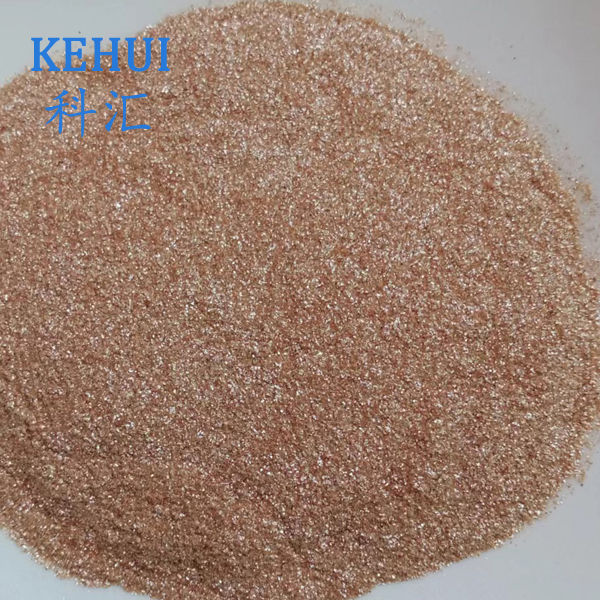
Simply put, expanded vermiculite is vermiculite ore that has undergone rapid heating—around 800–1000°C—which causes it to "pop" like popcorn, expanding up to 30 times its original size. This process creates lightweight, accordion-shaped flakes or granules that have insulating and absorbent properties.
In modern industries, this transformation is critical because it makes the mineral incredibly versatile. Expanded vermiculite is widely used in construction as insulation, in horticulture to aerate soils, and in packaging as a protective filler. It’s also key in humanitarian aid, where lightweight but protective materials are prime.
Key Components and Properties of Expanded Vermiculite
1. Thermal and Fire Resistance
Expanded vermiculite acts as a natural fire retardant—a property making it invaluable in building fireproofing or insulating electrical devices. Its ability to withstand temperatures over 1000°C without degradation means it’s reliable for long-term safety.
2. Lightweight but Durable Structure
The expansion process creates a low-density material with a sturdy flake structure that can absorb shocks. This balance allows for easy transportation and durable end products.
3. Moisture Retention and Aeration
Particularly in horticulture, expanded vermiculite retains water yet provides ample air pockets—improving root health and nutrient absorption. This has led to large-scale use in agricultural developments, especially in arid regions.
4. Chemical Inertness
Unlike many minerals, expanded vermiculite doesn’t react with most chemicals, reducing risks of contamination or degradation, making it suitable for various sensitive applications.
5. Cost Efficiency
Considering its performance across sectors, expanded vermiculite offers competitive cost benefits over synthetic alternatives, especially in bulk industrial usage.
Mini Takeaway: Its unique physical and chemical properties explain why expanded vermiculite fits into so many practical, real-world roles effortlessly.
Global Applications: Where Expanded Vermiculite Shines
- Construction and Insulation: Used in walls, roofs, and floors to insulate buildings in Europe, North America, and increasingly in Asia-Pacific.
- Horticulture and Agriculture: Countries with dry climates—like Australia and parts of Africa—rely on it to improve soil quality and increase crop yields.
- Fireproofing and Safety Equipment: Found in industrial fireproof boards and as a component in fireproof protective blankets.
- Packaging: Protects sensitive electronics and heavy machinery during transport, especially in shipping hubs like Rotterdam and Shanghai.
- Disaster Relief and Humanitarian Use: Lightweight panels made with expanded vermiculite provide emergency shelters that are fast to assemble, durable, and recyclable.
For instance, after the 2010 Haiti earthquake, aid organizations leveraged expanded vermiculite composites for temporary housing — balancing safety with rapid deployment.
Product Specification Table
| Property | Typical Value | Notes |
|---|---|---|
| Bulk Density | 80 - 160 kg/m³ | Varies by grade and expansion |
| Thermal Conductivity | 0.065 - 0.1 W/mK | Low thermal conductivity for insulation |
| Fire Resistance | >1000°C stable | Non-combustible |
| pH | 7 - 9 | Neutral to mildly alkaline |
| Water Absorption | >300% of dry weight | Beneficial for soil conditioning |
Vendor Comparison Table: Leading Expanded Vermiculite Suppliers
| Supplier | Primary Markets | Typical Products | Sustainability Practices |
|---|---|---|---|
| Kehui Minerals | Asia-Pacific, Europe | Expanded vermiculite flakes & granules | ISO 14001 certified, low energy expansion |
| ExfoliMine Corp. | North America | Insulation grade materials, packaging filler | Renewable energy powered plants |
| Vermikraft Ltd. | Africa and Middle East | Agricultural amendments, lightweight concrete additives | Sustainable mining initiatives ongoing |
Advantages and Lasting Value of Expanded Vermiculite
Frankly, the real charm of expanded vermiculite lies in its mix of practicality and sustainability. It offers outstanding insulation performance, dampening heating and cooling costs. Users in colder climates praise its contribution to energy savings, while growers in arid lands find it invaluable for retaining soil moisture. Its fire resistance adds another layer of safety—something you can’t put a price on.
Socially, the adoption of vermiculite-enhanced materials supports safer housing in vulnerable communities, enhancing dignity and reliability in housing after disasters. Economically, its wide availability and relatively low extraction cost make it accessible to low-income regions, spreading technological benefits more equitably. I suppose you could say it's a subtle but meaningful contributor to a more sustainable, resilient global economy.
Future Trends and Innovations in Expanded Vermiculite
Looking ahead, innovation centers around improving expansion methods to lower energy use even further and developing hybrid composites that blend vermiculite with recycled plastics or other waste materials. Green building certifications increasingly recognize vermiculite’s environmental merits, and digital tools are optimizing supply chains to cut carbon footprints.
Another fascinating area is using vermiculite in green energy storage materials or as a carrier for nano-materials in advanced agriculture. As automation and AI enter mineral processing, I expect quality and consistency of expanded vermiculite products will only get better.
Challenges and How Experts Are Overcoming Them
Oddly enough, sourcing vermiculite responsibly remains a concern since some deposits co-exist with asbestos minerals, posing contamination risks that need careful testing and processing. Also, expansion requires significant energy input, although cleaner energy sources are mitigating that.
Experts advocate strict quality control standards and investing in cleaner expansion technologies. Collaboration between governments, industry, and NGOs promotes sustainable mining and fair trading, reducing environmental and social impact.
FAQ: Frequently Asked Questions About Expanded Vermiculite
- What makes expanded vermiculite better than other insulation materials?
- Expanded vermiculite offers excellent fire resistance and moisture retention while being lightweight and inert. Compared with foam or fiberglass, it’s natural, less irritating, and often more sustainable, particularly when sourced and processed responsibly.
- How long does expanded vermiculite last in agricultural soil?
- It can persist for many years without degradation, improving soil aeration and moisture retention long-term. Regular soil testing can optimize reapplication schedules based on crop needs.
- Is expanded vermiculite safe for use in building materials?
- Yes, when sourced properly and tested for contaminants like asbestos, it is considered safe and widely approved in many international building codes due to its fire-retardant and insulating properties.
- Can NGOs import expanded vermiculite easily for humanitarian projects?
- Most suppliers facilitate international shipping and comply with export regulations. Partnering with reliable vendors ensures quality and smooth customs clearance. It’s always good practice to request certificates of analysis and compliance documentation.
Conclusion
All told, expanded vermiculite is a quietly revolutionary material offering safety, sustainability, and practical benefits across diverse industries and regions. Its balance of cost efficiency with environmental and social advantages suggests it will only grow in importance, especially as the world confronts climate change and infrastructure needs. For those interested, a simple step to explore reliable products and innovative solutions is to visit Kehui Minerals’ official site — a well-established supplier in this space.
Whether you’re an engineer, architect, farmer, or humanitarian, understanding expanded vermiculite could open doors to smarter and safer solutions.
Final takeaway? Don’t overlook the small flakes that make a big difference.
References
Latest news
-
Global Analysis and Trends of the Calcined Mica Flakes MarketNewsApr.16,2026
-
Technical Benefits of Calcined Mica for Welding ElectrodesNewsApr.09,2026
-
Superior Calcined Mica for Electrical Insulators Applications and BenefitsNewsApr.07,2026
-
Exploring the Versatility of Calcined Mica for Decoration and Diverse ApplicationsNewsApr.04,2026
-
Exploring Calcined Mica Properties Applications and Sourcing OptionsNewsMar.31,2026
-
Exploring the Versatile Applications of Mica Flakes Powder Across IndustriesNewsMar.28,2026
-
Comprehensive Guide to 100 Mesh Mica Powder Applications and Industrial BenefitsNewsMar.26,2026
Related Products