Dec . 02, 2025 16:20
Back to list
Comprehensive Guide to 2 Perlite: Uses, Benefits & Global Applications
Understanding 2 Perlite: A Versatile Mineral with Global Impact
At first glance, the term 2 perlite might seem a bit niche or technical, but it’s actually an important concept that touches everything from construction to agriculture worldwide. Perlite itself is a naturally occurring volcanic glass, and the "2 perlite" term usually refers to a specific grade or form used in various industries. Why does this matter globally? Well, perlite’s unique properties—lightweight, insulation-friendly, and porous—make it invaluable for sustainable building, soil enhancement, and even industrial filtration.
Grasping the benefits and uses of 2 perlite opens doors to smarter resource management, reduced environmental footprints, and innovative product development worldwide.
Introduction: Why 2 Perlite Holds Global Relevance
Across continents, industries are seeking sustainable materials with multipurpose use. According to the United Nations Environment Programme, over 30% of global energy consumption comes from building and construction sectors—creating huge pressure for greener alternatives. Here’s where 2 perlite shines: it’s inexpensive, abundant, and naturally insulating. The International Organization for Standardization (ISO) even includes perlite-based products in standards for lightweight building materials.
But a problem persists: conventional construction and agricultural products often damage ecosystems or require heavy energy use. Integrating 2 perlite helps address these challenges by providing eco-friendly alternatives that don’t compromise performance.
What is 2 Perlite? Breaking It Down Simply
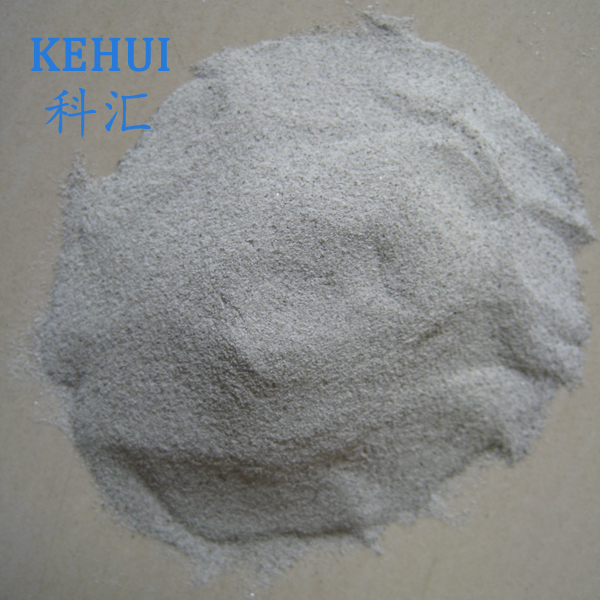
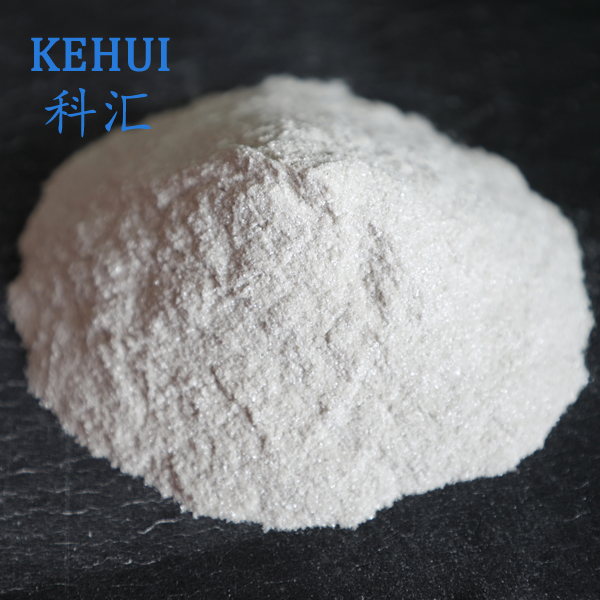
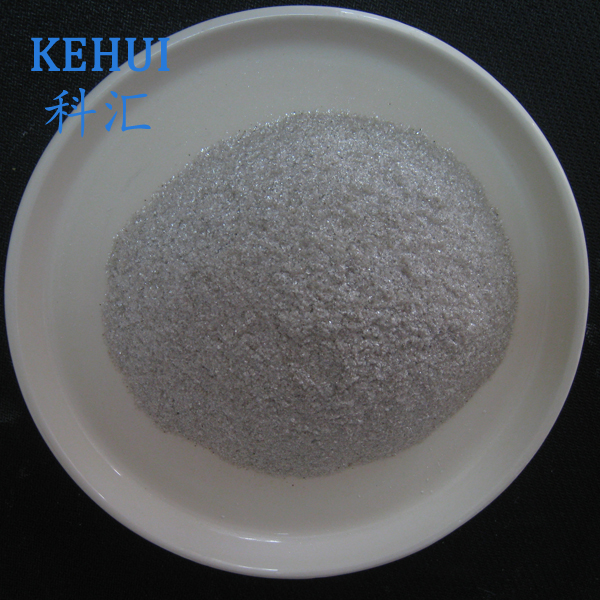
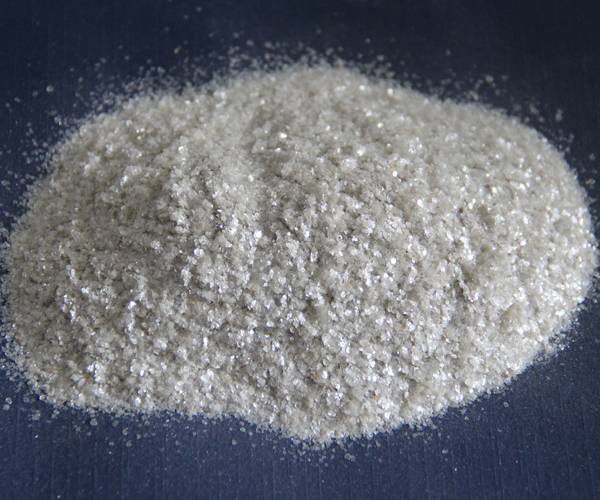
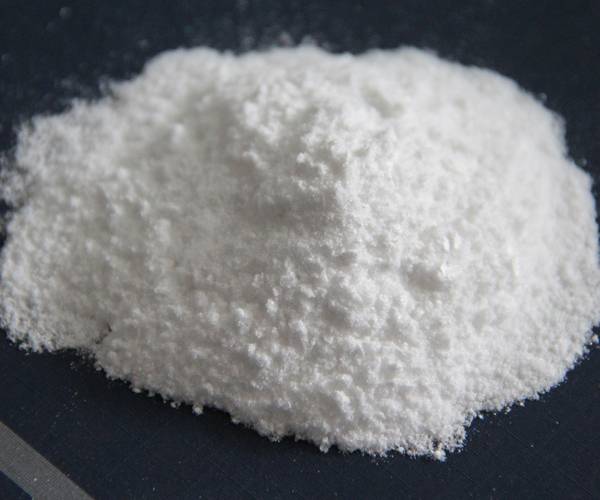
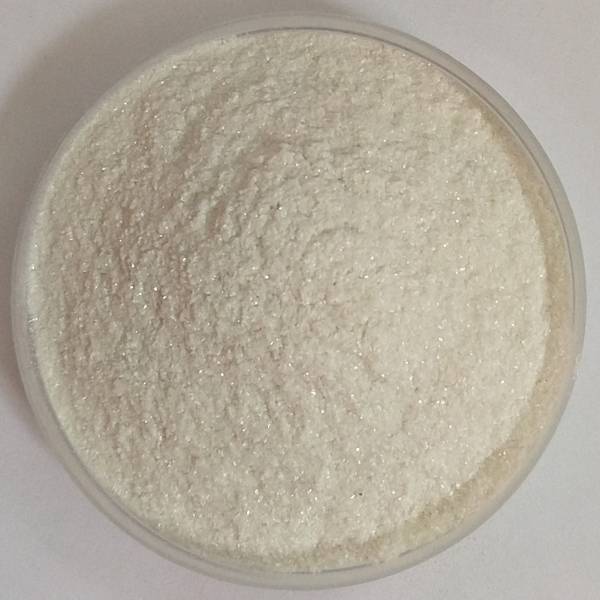
Simply put, 2 perlite denotes a specific washed and graded form of perlite usually sized around 2 mm particles. Perlite itself results from volcanic glass rapidly heated until it expands, creating a lightweight, porous structure. This expands the surface area and thermal insulation properties significantly.
Industries from hydroponics to fireproof building insulation use it extensively. It’s this connection between a raw mineral and diverse applications that makes 2 perlite critical in modern industry and humanitarian efforts, from disaster relief shelters to soil amendment projects in developing regions.
Core Components of 2 Perlite’s Success
1. Lightweight Durability
2 perlite’s expanded structure means it’s exceptionally light but surprisingly strong. It reduces overall product weight without sacrificing durability, a key feature in construction and packaging.
2. Thermal Insulation
With a high resistance to heat transfer, 2 perlite enhances energy efficiency in buildings and industrial processes alike—helping cut costs and carbon emissions.
3. Water Retention & Porosity
Its porous nature allows absorption like a sponge. In agriculture, this aids water retention in soil mixes, improving plant health while reducing irrigation needs.
4. Chemical Inertness & Fire Resistance
Because it doesn’t react with most chemicals and withstands extreme heat, 2 perlite is ideal for filtration media, refractory materials, and fireproof coatings.
5. Cost Efficiency
Compared to synthetic materials with similar properties, 2 perlite offers budget-friendly sourcing and processing—making sustainable solutions more accessible worldwide.
Global Applications & Use Cases of 2 Perlite
In practical terms, perlite’s versatility is profound. Here’s where 2 perlite plays a starring role:
- Construction & Insulation: In regions like Europe and North America, 2 perlite is widely used in lightweight concrete, plaster amendments, and roof insulation layers.
- Agriculture & Horticulture: Greenhouses and farms in Asia and South America harness it for soil aeration and moisture control.
- Industrial Filtration: Chemical plants and water treatment facilities globally depend on 2 perlite-based filters for purity and longevity.
- Disaster Relief: Nonprofits and governments use perlite materials in modular shelters—lightweight yet insulated against harsh climates.
Oddly enough, despite its volcanic roots, 2 perlite acts as a cornerstone for modern sustainability in many far-flung initiatives.
| Characteristic | Value | Unit |
|---|---|---|
| Particle Size (screened) | ~2 | mm |
| Bulk Density | 80 - 120 | kg/m³ |
| Thermal Conductivity (dry) | 0.05 - 0.07 | W/m·K |
| Moisture Absorption | 3 - 6 | % by weight |
| pH Value (neutral to mild alkaline) | 6.5 - 8.5 | — |
Mini takeaway: The relatively consistent specs of 2 perlite across producers make it reliable for diverse applications, from insulation to agriculture.
Advantages & Long-Term Value of Using 2 Perlite
- Cost Savings: Lower energy bills from better insulation plus reduced irrigation costs
- Sustainability: Natural, recyclable, and mined with a relatively small ecological footprint
- Social Impact: Improved living conditions in low-income regions through affordable housing and soil initiatives
- Reliability: Resists fire, chemicals, and weathering for long service life
On an emotional level, communities gain dignity and security with safer housing and healthier crops, while industries trust that 2 perlite delivers performance without compromise. It’s a rare win-win.
Future Trends & Innovations Around 2 Perlite
Looking ahead, researchers explore combining perlite with bio-based binders for greener composites, pushing 3D printing materials incorporating perlite for customized building, and discoveries in nanotechnology to enhance filtration efficacy. Plus, governments increasingly incentivize materials reducing carbon footprints, so expect 2 perlite to rise in strategic importance.
Oddly enough, digital transformation is helping the mining and grading of perlite become more precise and less wasteful, aligned with Industry 4.0 goals.
Challenges & Solutions in Working with 2 Perlite
Despite its merits, challenges remain. Transportation of bulk perlite can be costly due to its low density. Additionally, quality variations can cause inconsistent product outcomes.
Experts suggest local sourcing and advanced screening technology to mitigate these issues. Also, blending perlite with complementary materials often solves mechanical shortcomings.
| Supplier | Particle Size Range (mm) | Bulk Density (kg/m³) | Sustainability Certifications | Typical Applications |
|---|---|---|---|---|
| Kehuimica | 1.5 – 2.5 | 90 - 110 | ISO 14001 | Construction, Agriculture, Filtration |
| Volcano Minerals Co. | 1.8 – 2.3 | 80 - 120 | None | Construction, Horticulture |
| EcoPerlite Ltd. | 1.9 – 2.4 | 100 - 115 | LEED, ISO 9001 | Green Building, Agriculture |
Frequently Asked Questions About 2 Perlite
What are the typical particle sizes for 2 perlite used in construction?
The standard particle size for 2 perlite typically ranges from 1.5 to 2.5 mm. This size balances lightweight properties with structural applicability, making it ideal for insulation layers and lightweight concrete blends.
Is 2 perlite environmentally friendly?
Yes—2 perlite is naturally sourced, recyclable, and has a low energy footprint in processing. Many suppliers also hold sustainability certifications, making it an eco-conscious choice for green projects.
How does 2 perlite improve soil quality?
Its porous structure enhances soil aeration and water retention, reducing irrigation needs. This leads to healthier plants and more efficient farming, especially in arid climates.
Can 2 perlite be used in fireproofing materials?
Absolutely. Due to its inorganic nature and high heat resistance, 2 perlite is frequently added to fireproof coatings and refractory constructions.
Where can I source certified 2 perlite for industrial use?
Many companies, like 2 perlite specialists, offer certified high-quality 2 perlite. It's advisable to check certifications like ISO 14001 or LEED to ensure sustainable sourcing.
Conclusion: Embracing 2 Perlite for a Sustainable Future
Embracing 2 perlite means opting for a material that’s lightweight, cost-effective, and environmentally sound—all while meeting rigorous industrial demands. Whether you're improving energy efficiency in construction, enhancing soil health, or innovating filtration systems, this mineral stands out as an essential component of a sustainable future.
Curious to explore more? Visit our website: https://www.kehuimica.com for detailed insights and sourcing options.
Mini takeaway: 2 perlite’s unique attributes and growing applications demonstrate how natural materials continue to shape the cutting edge of industry and sustainability.
References:
1. United Nations Environment Programme (UNEP).
2. International Organization for Standardization (ISO) standards on building materials.
3. Wikipedia - Perlite.
Latest news
-
Global Analysis and Trends of the Calcined Mica Flakes MarketNewsApr.16,2026
-
Technical Benefits of Calcined Mica for Welding ElectrodesNewsApr.09,2026
-
Superior Calcined Mica for Electrical Insulators Applications and BenefitsNewsApr.07,2026
-
Exploring the Versatility of Calcined Mica for Decoration and Diverse ApplicationsNewsApr.04,2026
-
Exploring Calcined Mica Properties Applications and Sourcing OptionsNewsMar.31,2026
-
Exploring the Versatile Applications of Mica Flakes Powder Across IndustriesNewsMar.28,2026
-
Comprehensive Guide to 100 Mesh Mica Powder Applications and Industrial BenefitsNewsMar.26,2026
Related Products