Dec . 03, 2025 10:48
Back to list
Comprehensive Guide on the Use of Vermiculite in Horticulture for Sustainable Growth
Understanding the Use of Vermiculite in Horticulture
The use of vermiculite in horticulture might not be headline news, but honestly, it plays a quietly vital role in how we grow plants—whether we’re talking about backyard gardens or large-scale agricultural projects. Why does this matter globally? Because as climate change strains soil quality and water resources worldwide, innovative mediums like vermiculite are stepping in to help farmers and gardeners boost growth, conserve water, and enrich soil nutrients sustainably. Understanding vermiculite’s value, especially in horticulture, pays dividends for efficiency, ecology, and economic viability.
Global Context: Why Vermiculite Matters in Agriculture Today
Around the world, horticulture supports livelihoods and food security for millions. According to the Food and Agriculture Organization, sustainable agricultural practices are crucial as population growth presses on arable land. But soil degradation remains a big challenge. This is where vermiculite comes in. Its natural ability to retain moisture and aerate soil boosts soil health, reducing the dependency on water and chemical fertilizers.
Frankly, in regions facing drought — like parts of sub-Saharan Africa or Southern California — vermiculite-enhanced soil can make a significant difference. It helps plants thrive in otherwise hostile environments. That said, despite its potential, vermiculite’s adoption is uneven, partly due to lack of awareness or supply chain issues.
What Is Vermiculite and How Does It Fit into Horticulture?
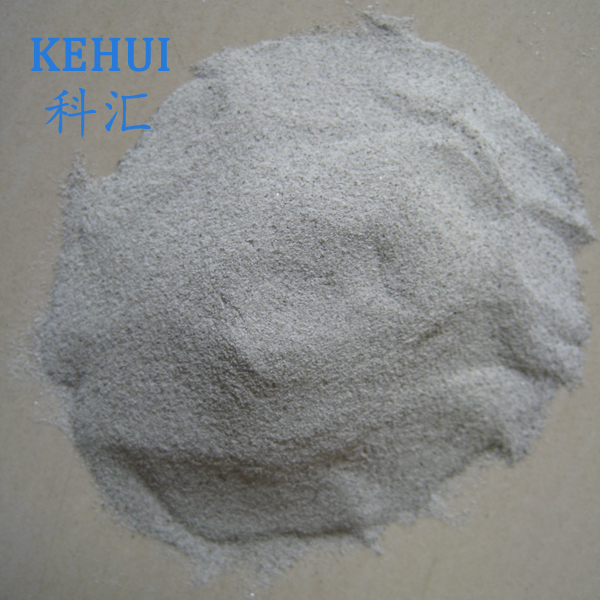
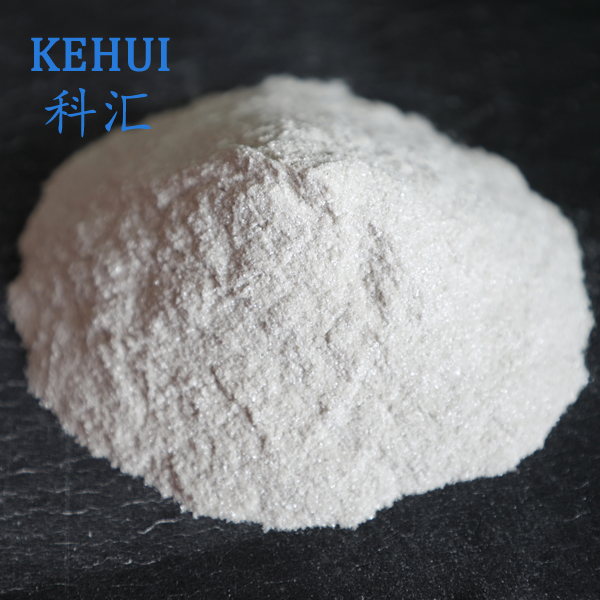
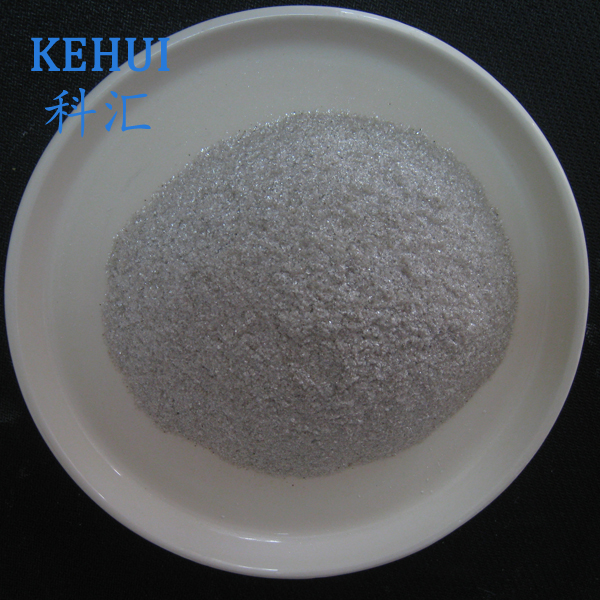
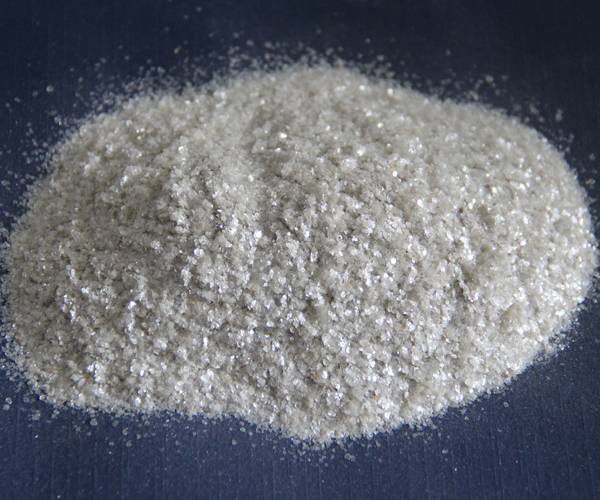
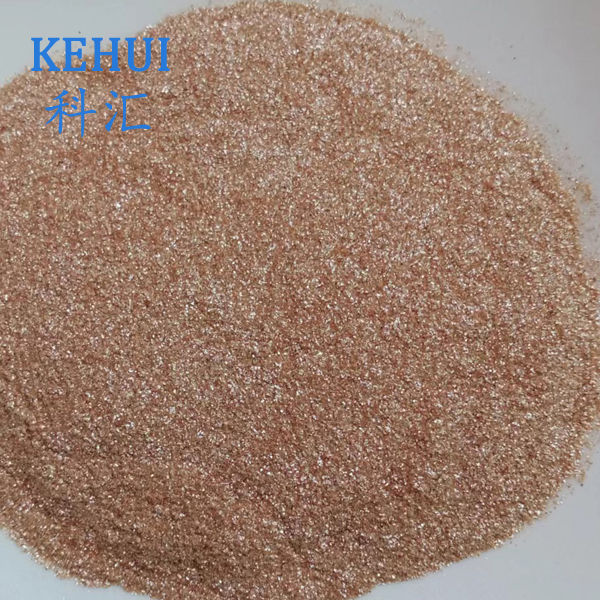
Vermiculite is a natural mineral — basically, a hydrated laminar magnesium-aluminum-iron silicate — but that sounds a bit technical, so I’ll simplify it: it's a lightweight, sponge-like material mined from mica deposits, then heated to expand like tiny accordion folds. This process creates a sterile, odorless product ideal for absorbing water and nutrients.
In horticulture, vermiculite is mixed into soil or potting media to improve aeration and moisture retention. It supports seed germination, root growth, and healthy plants. Given today’s emphasis on sustainability, vermiculite offers a low-impact way to enrich soil without synthetic chemicals. It’s no wonder growers worldwide are turning to it.
Key Factors Driving Vermiculite Usage in Horticulture
1. Moisture Retention
One of vermiculite’s standout properties is its capacity to hold water—up to three to four times its weight. This reduces watering frequency, a huge plus in water-scarce areas.
2. Aeration and Root Development
Its lightweight structure prevents soil compaction, ensuring roots get enough oxygen, which is crucial for robust plant health.
3. Sterility and pH Neutrality
Being sterile means vermiculite won’t introduce diseases or weeds. Also, with a near-neutral pH, it doesn’t interfere with soil chemistry, making it compatible across various plant types.
4. Nutrient Retention and Slow Release
Vermiculite can absorb and slowly release nutrients like potassium and calcium, optimizing plant uptake and reducing fertilizer waste.
5. Lightweight and Easy to Handle
For commercial operations or home gardeners, vermiculite’s lightness makes mixing and transport easier than heavier mineral additives.
Product Specifications of Typical Horticultural Vermiculite
| Specification | Typical Value |
|---|---|
| Bulk Density (loose) | 80–160 kg/m³ |
| pH Range | 6.5 – 8.5 (neutral to slightly alkaline) |
| Water Absorption | 3–4 times its weight |
| Particle Size | 1–4 mm granules |
| Organic Matter | None (sterile) |
| Expansion Ratio (upon heating) | 10:1 to 30:1 |
Global Applications & Use Cases of Vermiculite in Horticulture
In real-world terms, vermiculite is versatile. In Europe and North America, commercial greenhouse operations rely on it to ensure steady yields year-round. In India, smallholder farmers use it extensively for vegetable nursery beds to improve seedling survival rates.
In post-disaster relief, say after floods or droughts, NGOs have turned to vermiculite to rehabilitate damaged soils quickly. Oddly enough, its lightweight nature also makes it ideal for rooftop gardening in urban areas, contributing to green city initiatives. Coastal regions benefit too — mixing vermiculite with salty soils helps mitigate salt stress on crops.
Vendor Comparison: Leading Vermiculite Suppliers for Horticulture
| Vendor | Quality Grade | Bulk Pricing (per ton) |
Global Reach | Additional Services |
|---|---|---|---|---|
| KeHuimica Co. | Premium Horticultural | $500–$600 | North America, Asia, Europe | Custom blends, technical support |
| Therm-O-Rock | Standard Horticultural | $450–$520 | USA & Canada | Bulk shipping discounts |
| Vermiculite Tech Ltd. | Industrial Grade | $400–$480 | Europe & Africa | Bulk contracts, OEM supply |
Advantages and Long-Term Value
The benefits? Well, beyond the obvious agronomic ones, vermiculite contributes to sustainability goals by minimizing water use and chemical inputs—two major environmental stressors. It also supports social dignity by improving food security for vulnerable populations. Growers find it a reliable additive that enhances yield consistency, which in volatile global markets, is a comfort.
From both an emotional and logical perspective, vermiculite feels like a ‘trusty sidekick’ in the garden — staying quietly effective behind the scenes while you reap the rewards.
Future Trends & Innovations in Vermiculite Use
Looking ahead, the integration of vermiculite with smart agriculture technologies (like moisture sensors embedded in media mixes) is promising. We’re also seeing research into bio-enhanced vermiculite—inoculated with beneficial microbes to boost plant immunity naturally. Sustainability regulations will likely push more growers towards vermiculite blends as eco-friendly substrates.
Challenges and How Experts Suggest Overcoming Them
Of course, vermiculite isn’t without challenges. Supply chain limitations, particularly in developing markets, can restrict availability. Also, there’s sometimes confusion between vermiculite and perlite—both are lightweight soil amendments but with different properties. Some growers experience initial cost barriers.
To address this, many experts recommend partnering with trusted suppliers like KeHuimica who provide tailored advice and reliable delivery. Education and demonstration projects in local farming communities also go a long way.
FAQ: Frequently Asked Questions About the Use of Vermiculite in Horticulture
-
Q: How does vermiculite improve seed germination?
A: Vermiculite holds moisture consistently around seeds, preventing drying while ensuring adequate aeration. This creates an ideal microenvironment for seeds to sprout faster and more uniformly. -
Q: Is vermiculite safe to use in organic farming?
A: Yes, vermiculite is a natural mineral and inert, making it acceptable under most organic certification standards when used as a soil amendment. -
Q: Can vermiculite help reduce fertilizer use?
A: It can, by retaining nutrients in the root zone and releasing them slowly, which improves nutrient use efficiency and reduces leaching. -
Q: How often should vermiculite be replenished in garden beds?
A: Typically, vermiculite remains in the soil mix for several growing seasons, but you may want to top up annually or bi-annually depending on wear and soil disturbance. -
Q: What’s the difference between vermiculite and perlite?
A: Vermiculite retains moisture and nutrients, whereas perlite is better for aeration but drains quickly. Often, a mix of both is ideal.
Conclusion and Call to Action
The use of vermiculite in horticulture offers a subtle, yet powerful, boost to soil health and plant productivity worldwide. It’s an accessible and sustainable solution that helps growers face climate and resource challenges head-on. If you’re curious or ready to explore vermiculite for your own horticultural projects, I warmly recommend checking out KeHuimica’s offerings. Their expertise and quality vermiculite products might just be what your garden or farm needs next.
Minor takeaway: Vermiculite quietly transforms soil into a more nurturing environment—think of it as the unsung hero under your plants’ feet.
References
Latest news
-
Global Analysis and Trends of the Calcined Mica Flakes MarketNewsApr.16,2026
-
Technical Benefits of Calcined Mica for Welding ElectrodesNewsApr.09,2026
-
Superior Calcined Mica for Electrical Insulators Applications and BenefitsNewsApr.07,2026
-
Exploring the Versatility of Calcined Mica for Decoration and Diverse ApplicationsNewsApr.04,2026
-
Exploring Calcined Mica Properties Applications and Sourcing OptionsNewsMar.31,2026
-
Exploring the Versatile Applications of Mica Flakes Powder Across IndustriesNewsMar.28,2026
-
Comprehensive Guide to 100 Mesh Mica Powder Applications and Industrial BenefitsNewsMar.26,2026
Related Products