Dec . 01, 2025 20:45
Back to list
Coarse Perlite: Key Properties, Global Uses, and Supplier Insights
What Is Coarse Perlite and Why Does It Matter Globally?
At first glance, coarse perlite might seem like just another industrial mineral. But honestly, it plays a bigger role worldwide than many realize—especially in construction, agriculture, and insulation sectors. Coarse perlite is a naturally occurring volcanic glass that's expanded by heat treatment, creating lightweight, porous granules. Its unique properties make it a favored material that improves energy efficiency, enhances soil aeration, and serves as a reliable filler or insulator.
Understanding coarse perlite isn’t just for mineral geeks—it’s crucial for industries seeking sustainable and cost-effective materials, particularly in a world increasingly conscious about reducing carbon footprints and waste. Plus, with rapid urbanization and a global push for greener building solutions, knowing what coarse perlite does and how to best apply it can unlock smarter choices for infrastructure and agricultural productivity.
Global Context: How Coarse Perlite Fits in Today’s Industry Landscape
Globally, the construction and agriculture industries consume millions of tons of perlite annually. According to the United Nations Environment Programme, sustainable building materials reduce energy usage by up to 40% in some cases, with insulation products like coarse perlite playing a decisive role.
The World Bank reports that over 55% of the world’s population now lives in urban areas, pushing demand for lightweight, durable, and recyclable materials. Yet, many regions lack accessible, affordable insulation and soil enhancers—which is where coarse perlite steps in.
Still, challenges persist around consistent supply quality, transportation to remote areas, and adapting perlite’s applications to local needs. Effectively navigating these will be key for industry players, NGOs, and governments aiming to use sustainable materials at scale.
Mini takeaway: Coarse perlite is a small yet pivotal player addressing big challenges—in construction efficiency, agricultural yields, and sustainability worldwide.
Defining Coarse Perlite: What Is It Exactly?
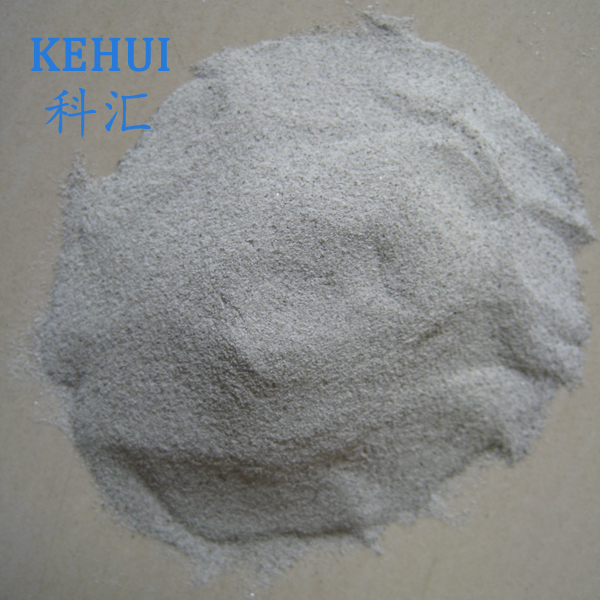
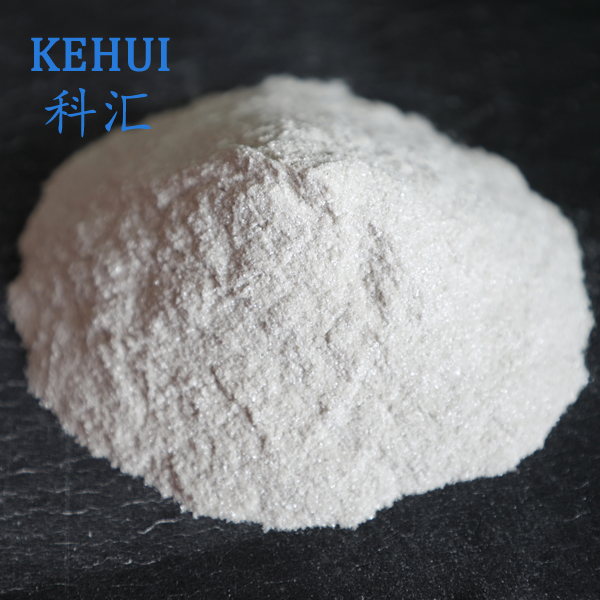
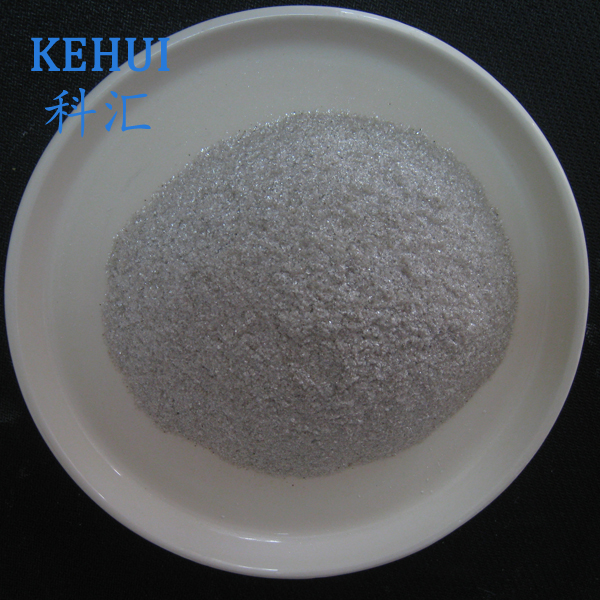
Simply put, coarse perlite is volcanic glass expanded through rapid heating (around 850–900°C), which causes it to puff up like popcorn. The result? Granules typically between 2-4 mm in size with a highly porous structure. These coarse particles differ from finer grades often used in potting mixes.
Its porous make-up is key to its functionality: lightweight yet tough, fire-resistant, and capable of retaining water or insulating against heat and cold.
Industrially, coarse perlite is indispensable—from lightweight concrete and plaster additives to growing media where root aeration truly matters. It's also favored in humanitarian contexts, like disaster relief shelter insulation or water filtration, because it’s low-cost and easy to transport.
Key Characteristics that Make Coarse Perlite Useful
1. Lightweight Durability
Coarse perlite is roughly 7 to 10 times lighter than gravel or expanded clay. This lightness reduces structural load, making it perfect for reducing the weight in concrete blocks or roofing materials—helping both transportation costs and building safety.
2. Insulation & Fire Resistance
Thanks to its cellular granules, it provides excellent thermal insulation and is non-combustible. Many engineers swear by it for enhancing fireproofing in buildings and insulating HVAC ducts. It even helps improve energy efficiency in cold climates.
3. Water Retention and Aeration
In agricultural applications, coarse perlite holds onto water while keeping the soil loose, letting roots breathe—a win-win for plant health. This makes it popular in greenhouses worldwide, particularly where water conservation is critical.
4. Chemical Inertness
It’s chemically stable and won’t react with fertilizers or soil additives, meaning your crops get the benefits without unexpected side effects.
5. Cost Efficiency
Compared with alternatives, coarse perlite is affordable and available in various global supply chains, making it practical for widespread use.
| Parameter | Typical Range | Units |
|---|---|---|
| Particle Size | 2 – 4 | mm |
| Bulk Density | 80 – 150 | kg/m³ |
| Water Absorption | 3 – 6 | % by weight |
| Thermal Conductivity (dry) | 0.04 – 0.06 | W/(m·K) |
| pH | 6.5 – 8.5 | – |
Worldwide Uses & Practical Examples
Coarse perlite’s applications are as diverse as the places it’s mined and shipped to—from the arid fields of Australia to the chilly buildings of Scandinavia.
- Construction: Used as lightweight aggregate in concrete and plaster, coarse perlite reduces structural weight and enhances thermal performance.
- Horticulture: In greenhouses across Europe and North America, it improves root aeration and water retention.
- Disaster Relief: NGOs often use it for insulating temporary shelters or water filtration, especially in regions hit by earthquakes or hurricanes.
- Industrial: Filler in paint, plastics, and even packaging to reduce density and boost insulating properties.
For example, after the 2010 Haiti earthquake, relief agencies incorporated coarse perlite into light insulation panels to speed up reconstruction. In remote industrial zones of Central Asia, its lightweight nature reduces transport emissions.
Mini takeaway: Its versatility means coarse perlite quietly drives innovation in agriculture, architecture, humanitarian aid, and industrial sectors worldwide.
The Advantages and Long-term Impact of Coarse Perlite
One of the best things about coarse perlite is how it blends tangible savings with broader sustainability benefits. It cuts down on energy bills by improving insulation, lowers transportation costs due to low weight—and supports healthier plant growth in water-scarce areas.
Socially, products made with perlite can enhance comfort, safety, and durability, even in vulnerable communities. Innovation-wise, it supports circular economy principles—it’s non-toxic, inert, and recyclable.
On a more emotional note, knowing the materials in your home or garden contribute to a greener planet is quite reassuring. It’s these shared benefits—economic, social, environmental—that give coarse perlite its quiet but steady global impact.
Looking Ahead: Innovations and Emerging Trends
Research is ongoing into combining perlite with bio-based binders to create fully sustainable construction panels. Digital manufacturing techniques, like 3D printing with perlite composites, are also gaining traction, particularly for custom parts requiring insulation and lightness.
Green energy policies worldwide encourage use of eco-friendly building materials—perlite falls right into that category, promising a bigger role in zero-carbon projects. Automation in grading and expanding perlite also aims to improve consistency and reduce waste.
In short, we’re likely to see even smarter applications tailored for future challenges like climate change, urban density, and resource scarcity.
Common Challenges and How Experts Address Them
Despite all the benefits, suppliers and end-users face hurdles: Sometimes, inconsistent particle sizes or inadequate expansion can affect performance. Transport can be pricey for producers far from markets. In some places, awareness about proper perlite use is still low.
Experts recommend close quality control and working with trusted suppliers who test for consistent expansion ratios and purity. Additionally, education programs for local builders or farmers can make a big difference. On the tech side, advances in thermal treatment and grinding machinery improve uniformity and open new markets.
FAQ: Quick Answers to Your Coarse Perlite Questions
Q1: What distinguishes coarse perlite from finer grades?
A1: Coarse perlite has larger granules (2–4 mm) compared to fine grades used mostly in potting mixes. This size offers better insulation and structural properties, making it ideal for building materials and industrial applications.
Q2: How long does coarse perlite last when used in construction?
A2: When properly installed, coarse perlite can last decades without degradation due to its inert, non-organic nature. It doesn’t rot or break down, which makes it reliable for long-term insulation.
Q3: Can coarse perlite be recycled or reused?
A3: Yes, perlite is recyclable and can be reused in various applications, especially in lightweight concrete or horticulture. Its chemical inertness helps it maintain properties after multiple uses.
Q4: Is coarse perlite environmentally friendly?
A4: Generally yes—perlite is a natural mineral that requires heating to expand, which does consume energy. However, its benefits in reducing energy consumption in buildings and agriculture often outweigh its processing footprint.
Q5: How do I find reliable suppliers of coarse perlite?
A5: Look for vendors with consistent quality certifications and a transparent supply chain. Local distributors tend to reduce shipping costs and environmental impact. Comparing vendors’ specs can help—a quick look at our vendor comparison below:
| Supplier | Origin | Particle Size Range (mm) | Certifications | Average Price (USD/ton) |
|---|---|---|---|---|
| Kehuimica Minerals | China | 2–4 | ISO 9001, REACH | $180 |
| Mediterranean Perlite | Greece | 1.5–3.5 | ISO 14001 | $210 |
| American Volcanics | USA | 2–5 | ASTM Certified | $195 |
Wrapping Up: Why Coarse Perlite Deserves Your Attention
After all this, it’s clear that coarse perlite isn’t just “rock dust.” It’s a dynamic, multi-purpose material that quietly supports global sustainability goals, economic efficiencies, and practical solutions in construction and agriculture.
For anyone involved in material sourcing, farming, or eco-conscious building projects, coarse perlite is worth deeper exploration. It’s part of the quiet revolution making our built and natural environments healthier, lighter, and more sustainable.
Curious to explore more? Visit our website: https://www.kehuimica.com for detailed product info and expert guidance. Sometimes, the right mineral is all you need to build a better future.
References:
1. Perlite – Wikipedia
2. United Nations Environment Programme, Sustainable Building Materials Report, 2021
3. World Bank Data on Urbanization, 2023
Latest news
-
Global Analysis and Trends of the Calcined Mica Flakes MarketNewsApr.16,2026
-
Technical Benefits of Calcined Mica for Welding ElectrodesNewsApr.09,2026
-
Superior Calcined Mica for Electrical Insulators Applications and BenefitsNewsApr.07,2026
-
Exploring the Versatility of Calcined Mica for Decoration and Diverse ApplicationsNewsApr.04,2026
-
Exploring Calcined Mica Properties Applications and Sourcing OptionsNewsMar.31,2026
-
Exploring the Versatile Applications of Mica Flakes Powder Across IndustriesNewsMar.28,2026
-
Comprehensive Guide to 100 Mesh Mica Powder Applications and Industrial BenefitsNewsMar.26,2026
Related Products