Dec . 01, 2025 22:00
Back to list
Chunky Perlite: Durable, Sustainable Mineral Solution for Construction & More
Why Chunky Perlite Is Gaining Ground Globally
If you've encountered the term chunky perlite recently, you’re not alone. This volcanic glass, expanded into lightweight, porous granules, is quietly reshaping industries from construction to horticulture — and even humanitarian aid. Why? Because its unique properties help solve big challenges like insulation inefficiency, soil drainage problems, and sustainable building materials shortages worldwide.
Globally, construction accounts for almost 40% of energy consumption and associated greenhouse gas emissions, per the International Energy Agency. Materials like chunky perlite, which offer excellent insulation with a lightweight and recyclable footprint, could shift this equation considerably. Plus, in emerging markets facing soil degradation and infrastructural fragility, chunky perlite emerges as a promising solution to bolster stability and longevity.
Mini takeaway: Understanding chunky perlite helps us grasp how small mineral innovations might pivot industries toward more sustainable futures worldwide.
The Global Context: Why Chunky Perlite Matters Now
With urbanization accelerating and climate change pressuring resource markets, there’s a growing hunger for materials that combine efficiency with eco-friendliness. The United Nations’ Sustainable Development Goals underline the importance of sustainable infrastructure and resilient agriculture — areas where chunky perlite quite literally shines.
Perlite mining and processing stats reveal steady growth. For instance, the US Geological Survey noted global perlite production surpassing 3 million metric tons annually, with chunky perlite forms accounting for a rising slice. A persistent challenge, however, is balancing cost, availability, and tailored particle sizes to different industry needs — a problem chunky perlite helps address thanks to its customizable granularity.
Mini takeaway: Chunky perlite is not just a material; it’s a practical answer to several global development challenges.
What Exactly Is Chunky Perlite?
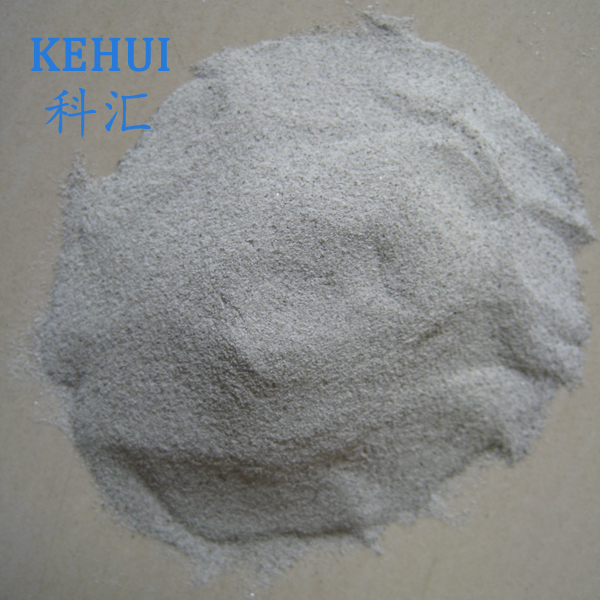
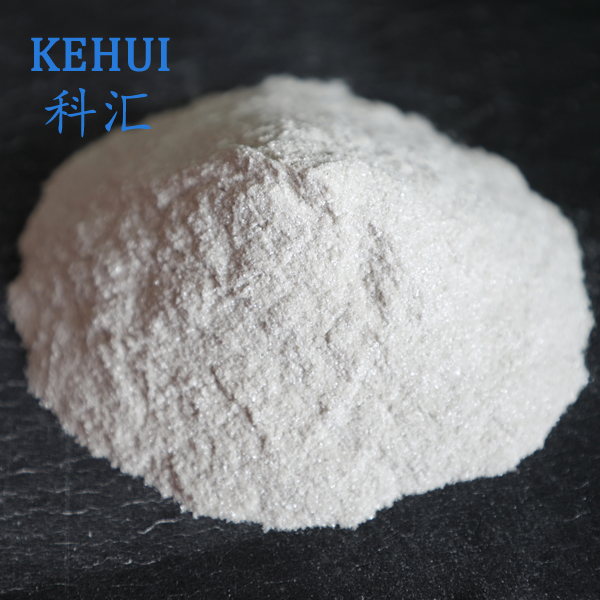
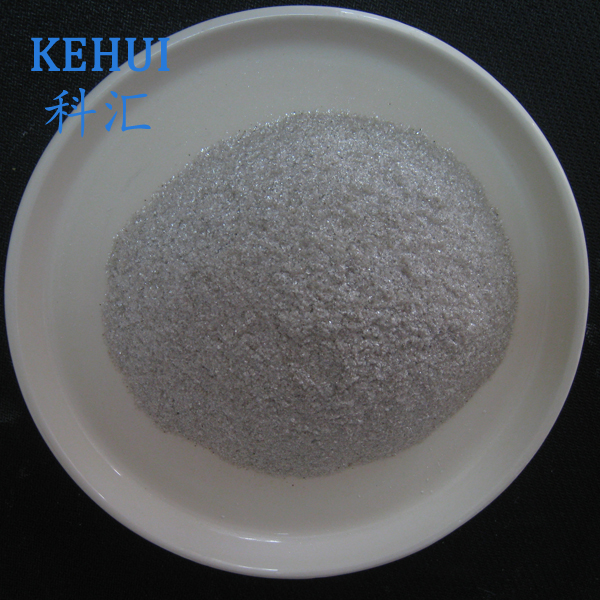
Simply put, chunky perlite is a granule of volcanic glass that’s heated until it "pops," expanding up to 20 times its original volume. These irregular, coarse particles — chunkier than common fine perlite — serve as lightweight aggregates. The rough texture and larger size mean they’re ideal for applications needing excellent drainage or thermal insulation without compacting too tightly.
Industrially, chunky perlite is prized for being inert, fire-resistant, and having low thermal conductivity. Humanitarian programs also tap into chunky perlite’s potential — for example, in earthquake-prone zones, it’s a component in rapid-build roofing insulation, contributing to safer, more resilient shelters.
Key Factors Defining Chunky Perlite’s Practicality
1. Durability and Stability
The chunky size helps maintain structural integrity in concrete mixes or growing mediums. Unlike finer perlite, which may compact or wash away, chunks provide lasting bulk without dissolving or biodegrading.
2. Thermal Insulation
The air pockets trapped inside these chunks lower heat transfer, making them popular in green construction insulation systems and passive housing projects.
3. Scalability and Versatility
Whether mixed into soils for improved aeration or added to plasters for lighter walls, chunky perlite’s adaptable granule size ensures tailored application across industries.
4. Environmental Friendliness
Since it derives from naturally occurring minerals that require minimal processing, chunky perlite supports circular economy principles more than synthetic alternatives.
5. Cost Efficiency
While sometimes pricier than generic aggregates, its multifunctional benefits often reduce overall project costs due to decreased energy consumption and product longevity.
Global Applications: From Construction Sites to Greenhouses
Chunky perlite is used widely, across continents and sectors. For example:
- Construction: In Southern Europe and North America, chunky perlite is mixed into lightweight concrete block formulations, improving fire resistance and insulation.
- Horticulture: Commercial greenhouses in the Mediterranean prefer chunky perlite to promote root aeration and drainage, especially for water-sensitive crops.
- Humanitarian Relief: NGOs operating in Southeast Asia use chunky perlite in modular housing panels to mitigate heat and reduce shelter set-up time during disaster recovery.
- Industrial: Insulation manufacturers in Germany incorporate chunky perlite into refractory bricks or high-temperature gaskets.
There’s even early experimentation with chunky perlite in new battery technologies due to its porous surface area — interesting times, indeed.
Mini takeaway: From greenhouses in Italy to emergency shelters in the Philippines, chunky perlite's footprint spans the globe and industries.
Product Specifications at a Glance
| Specification | Typical Values | Unit |
|---|---|---|
| Bulk Density | 100–150 | kg/m³ |
| Particle Size Range | 4–12 | mm |
| Thermal Conductivity | 0.045–0.060 | W/m·K |
| pH (neutral/basic) | 7–8.5 | — |
| Water Retention | Low (~10%) | % volume |
Comparing Leading Chunky Perlite Vendors
| Feature | Kehuimica | Volcaperl | Perlitex |
|---|---|---|---|
| Granule Size Range (mm) | 4–12 | 3–10 | 5–15 |
| Thermal Conductivity (W/m·K) | 0.045–0.06 | 0.05–0.07 | 0.04–0.065 |
| Typical Application | Construction & Horticulture | Insulation & Fireproofing | Industrial & Packaging |
| Eco Certifications | ISO 14001 & LEED | ISO 9001 | None |
| Price Range (USD/ton) | $130–$160 | $140–$170 | $120–$150 |
Advantages & Long-Term Value of Using Chunky Perlite
There’s more than just technical specs behind chunky perlite’s appeal. Its benefits stack up well in both the balance sheet and human impact ledger:
- Cost Efficiency: Reduces weight in mixes, lowering transportation costs and CO₂ emissions.
- Sustainability: Natural mining + low processing = smaller carbon footprint.
- Reliability: Fire-resistant and inert, it lasts decades without degradation.
- Safety & Comfort: Improved insulation supports safer buildings against extreme weather.
- Social Impact: Faster-build shelters and improved agriculture bolster livelihoods in vulnerable zones.
So, you’re not just investing in material quality; you’re investing in community resilience and innovation. Oddly satisfying, no?
Future Trends & Emerging Innovations Around Chunky Perlite
Looking ahead, chunky perlite’s story is far from written. A few glimpses into the crystal ball:
- Green Building Movements: Increasing adoption in passive solar homes and energy-plus buildings worldwide.
- Smart Material Blending: Combining chunky perlite with aerogels or phase change materials to boost thermal storage.
- Automation & Customization: AI-driven sorting technologies could tailor perlite granule mixes in real time for specific projects.
- Environmental Policies: Stricter regulations on synthetic insulation materials might drive more demand for natural mineral options.
It’s like the dusty volcanic rock of yesterday is turning into tomorrow’s superstar material.
Common Challenges & Practical Solutions
Of course, chunky perlite isn’t a cure-all. Some hurdles include:
- Supply Variability: Quality depends heavily on ore source consistency.
- Moisture Sensitivity: Despite low water retention, perlite blends may need additives to perform well in humid environments.
- Cost vs. Standard Aggregates: Initial prices can be higher, requiring buyers to think long-term.
Solutions? Many engineers recommend blended mixes or coatings to extend durability. Strategic partnerships with trusted suppliers like chunky perlite producers help smooth supply chains, improving project stability.
FAQ: Frequently Asked Questions About Chunky Perlite
- What makes chunky perlite better for insulation than traditional materials?
- Chunky perlite’s lightweight, porous structure traps air effectively, reducing heat transfer without adding significant weight. Plus, it’s fire-resistant and inert, unlike some foams or synthetic fibers.
- How long can chunky perlite-enhanced concrete last in harsh climates?
- When mixed properly, chunky perlite concrete can last 50+ years, resisting freeze-thaw cycles and moisture damage better than many traditional mixes.
- Is chunky perlite eco-friendly compared to other aggregates?
- Yes, because it’s mined from natural volcanic glass and minimally processed. Its thermal benefits also reduce energy costs in buildings, adding sustainability over the material's life.
- Can NGOs import chunky perlite easily for disaster relief projects?
- Many suppliers specialize in bulk export with certification compliance for international shipping. Ordering from established producers like chunky perlite providers facilitates smooth logistics.
- How do I choose the right chunky perlite size for my project?
- It depends on the application: coarser granules suit construction and drainage; medium sizes work well for horticulture. Always consult supplier guidelines for tailored recommendations.
Wrapping Up: Why Chunky Perlite is Worth Considering
All told, chunky perlite offers an intriguing blend of durability, sustainability, and versatility. For builders, growers, or humanitarian innovators, it holds promise to lower carbon footprints, improve safety, and enhance living environments. Curious to see how it could fit your next project? Check out chunky perlite and start small — the results might surprise you.
Until next time, keep an eye on those humble minerals quietly helping shape smarter, greener futures.
References
Latest news
-
Global Analysis and Trends of the Calcined Mica Flakes MarketNewsApr.16,2026
-
Technical Benefits of Calcined Mica for Welding ElectrodesNewsApr.09,2026
-
Superior Calcined Mica for Electrical Insulators Applications and BenefitsNewsApr.07,2026
-
Exploring the Versatility of Calcined Mica for Decoration and Diverse ApplicationsNewsApr.04,2026
-
Exploring Calcined Mica Properties Applications and Sourcing OptionsNewsMar.31,2026
-
Exploring the Versatile Applications of Mica Flakes Powder Across IndustriesNewsMar.28,2026
-
Comprehensive Guide to 100 Mesh Mica Powder Applications and Industrial BenefitsNewsMar.26,2026
Related Products