What I’m Seeing in China’s Fly-Ash Cenosphere Market Right Now
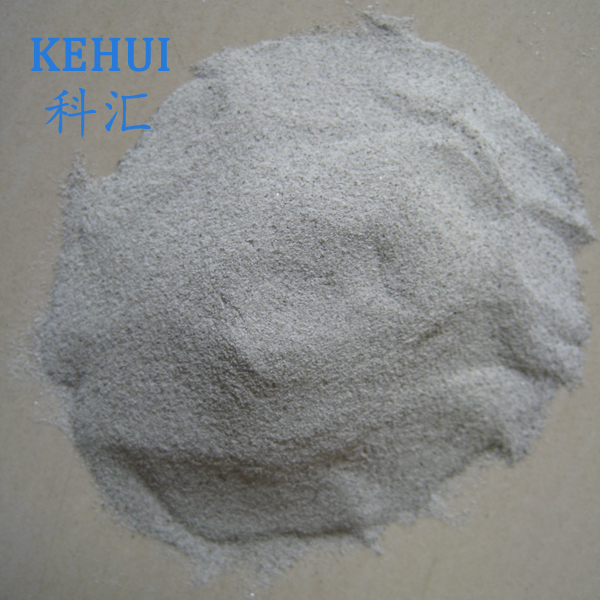
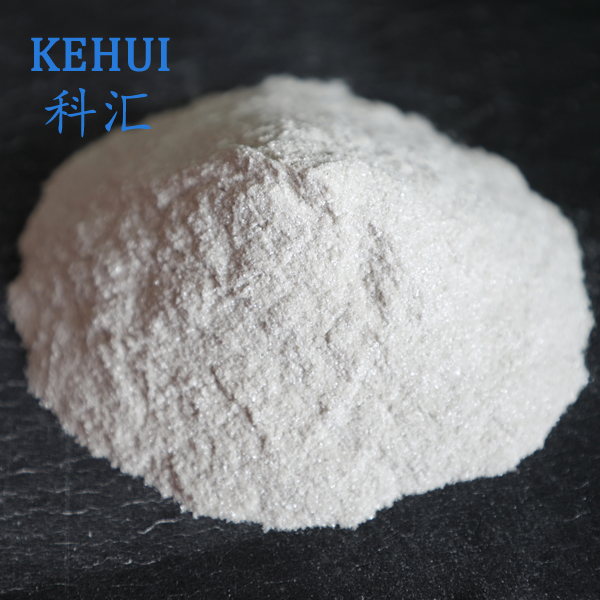
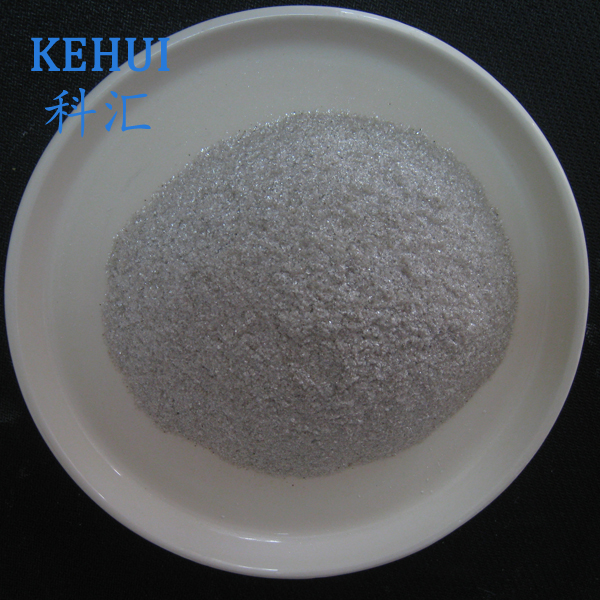
If you’ve been tracking lightweight fillers the past few years, you’ve probably heard about China Fly Ash Balloons/Floating Cenospheres. These are hollow ceramic microspheres recovered from Class F fly ash—thin-walled, low density, and surprisingly tough for their size. To be honest, demand has quietly surged as engineers hunt for ways to cut weight and thermal conductivity without wrecking mechanical performance.
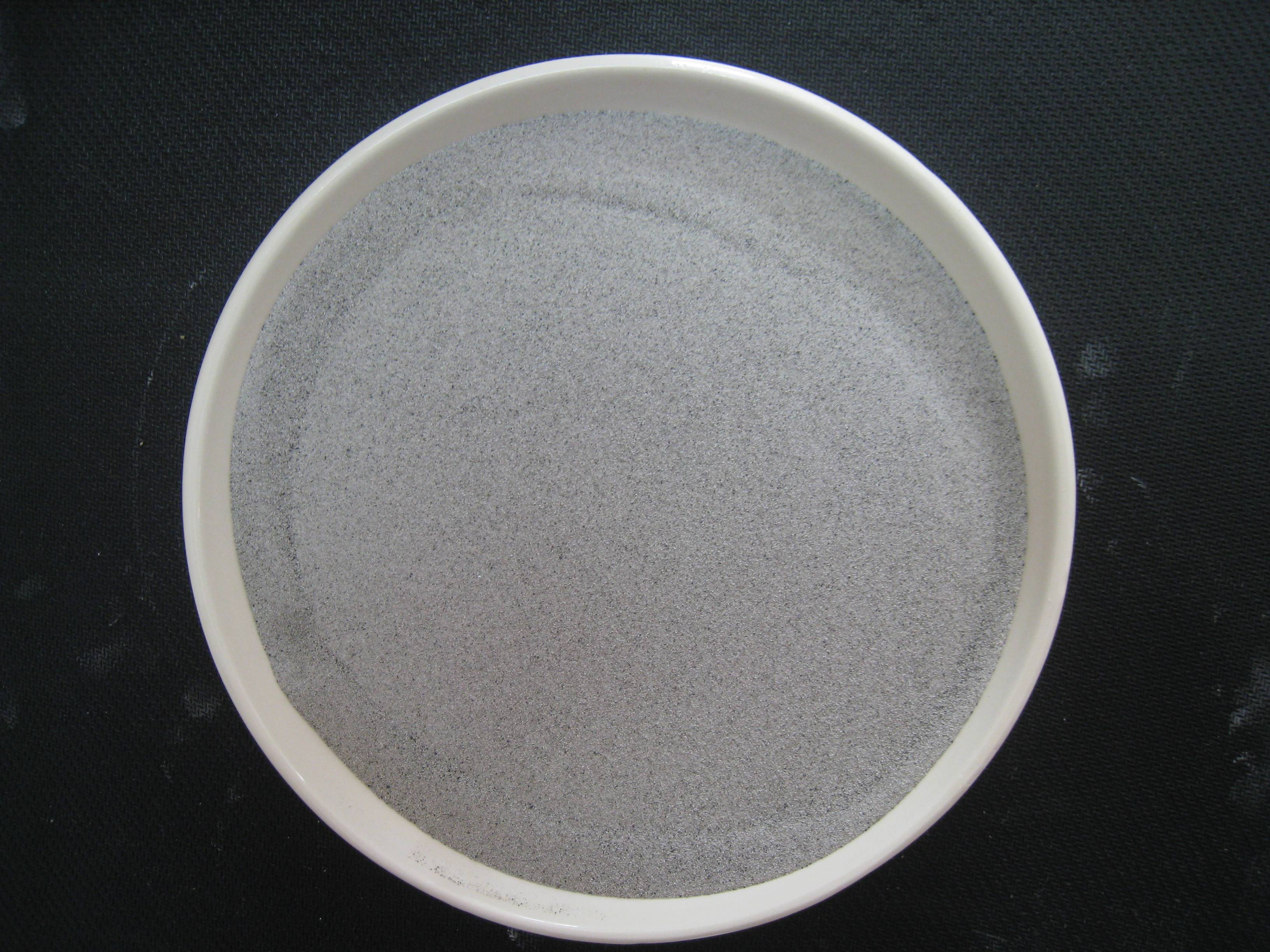
Origin, positioning, and where they fit
Sourced from Nanjialiang Village, Lingshou County, Shijiazhuang, Hebei, the supply chain here is mature—consistent beneficiation, good density control, and reliable grading. In practice, China Fly Ash Balloons/Floating Cenospheres end up in foundry coatings and cores, automotive body fillers, lightweight concrete/grouts, refractory castables, syntactic foams, and paint & coatings where matting and thermal management matter. Many customers say the stability in particle size—especially 100 μm, 150 μm, 300 μm, and 210–850 μm cuts—saves them hours of re-formulation.
Industry trends (quick take)
- Lightweighting in EVs and commercial vehicles—density and NVH improvements without killing cost.
- Thermal barriers in architectural coatings; less cracking, better spread rates.
- Refractory mixes seeking lower thermal conductivity but decent hot strength.
- Oil & gas cements and syntactic foams where buoyancy and crush strength both count.
Representative specifications (typical, real-world use may vary)
| Grades | 100 μm, 150 μm, 300 μm, 210–850 μm |
| True density (g/cm³) | ≈0.35–0.75 (ASTM D792) |
| Bulk density (kg/m³) | ≈250–450 (ASTM C29) |
| Chemistry | SiO₂ ≈ 50–60%, Al₂O₃ ≈ 25–35%, Fe₂O₃ ≈ 2–6% |
| Crush strength | ≈20–60 MPa (ISO 13503-2 analog) |
| Thermal stability | Up to ~1200 °C continuous |
| LOI | ≤ 2.0% typical (ASTM C311) |
| Dielectric constant | ≈1.9–2.1 @1 MHz |
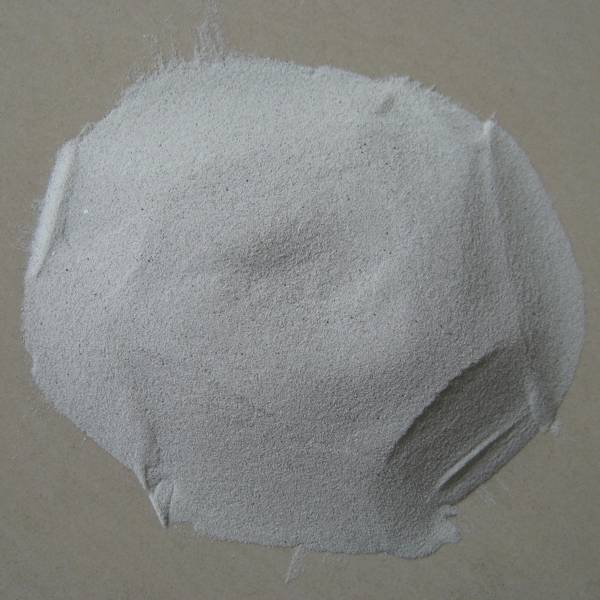
Process flow and QC
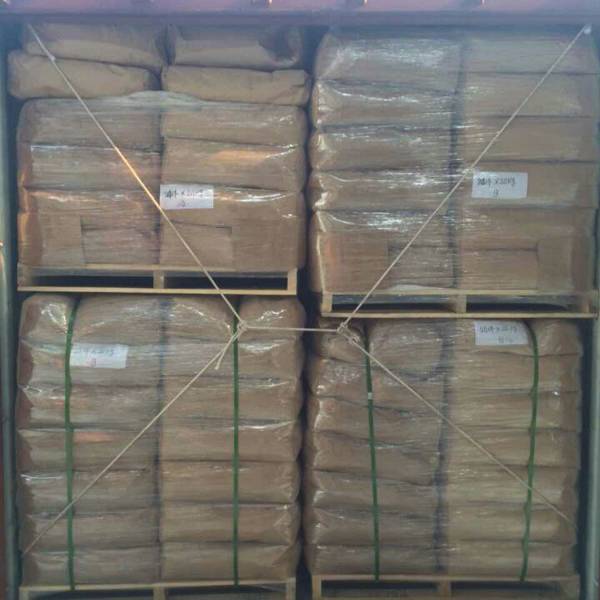
Raw material: low-carbon Class F fly ash. Methods: magnetic separation → density/floatation to skim hollow spheres → washing and drying → sieving by cut size → optional surface treatment (e.g., silane) → blending → packaging (25 kg bags or 500–1000 kg FIBCs). Testing: PSD via ISO 13320; moisture (ASTM D2216); LOI (ASTM C311); true density (ASTM D792); bulk density (ASTM C29); crush (ISO 13503-2 style); water absorption (ASTM C373). Certifications commonly include ISO 9001; REACH/ROHS statements available on request.
Applications and service life
- Paints/coatings: lower density and better sandability; service life ~5–10 years depending on binder and UV.
- Automotive body fillers/putties: smoother trowel, less shrink; many shops say easier sanding and fewer pinholes.
- Refractory castables: reduced thermal conductivity; typical relines 3–6 years, varies with thermal shock cycles.
- Foundry chemicals: permeability gains, cleaner burn-out; fewer gas defects (feedback from two northern China foundries).
Vendor snapshot (indicative)
| Vendor | Origin | True density | LOI | Certs | Customization |
|---|---|---|---|---|---|
| KeHui (Hebei) | Lingshou, China | ≈0.35–0.65 | ≤2.0% | ISO 9001, REACH | Silane, blended cuts; 10–15 days |
| Northern CN Supplier A | China | ≈0.40–0.70 | ≤3.0% | ISO 9001 | Limited; 2–3 weeks |
| India Vendor | India | ≈0.40–0.75 | ≤4.0% | ISO 9001 | Good bulk supply |
| US Distributor | USA (import) | ≈0.35–0.65 | ≤2.5% | Stock + SDS | Fast delivery, higher price |
Customization tips
Ask for: narrow cut sizes for rheology control; silane (amino/epoxy) for polymer bonding; ultra-low LOI for sensitive resins; moisture target ≤0.2% for hygroscopic systems; packaging in PE-lined bags. With China Fly Ash Balloons/Floating Cenospheres, a small tweak in density or surface finish can shave 5–12% off part weight—seen it firsthand in a polyurethane tooling board program.
Mini case notes
- Automotive putty: 8% weight reduction vs. talc-only, sanding time cut ~15%, no slump issues.
- Refractory patch: thermal conductivity down ~20% at 800 °C, acceptable hot modulus; customers liked the smoother trowel.
- Marine syntactic panel: density 0.55 g/cm³ achieved with hybrid blend; crush within spec after ISO 13503-2 analog test.
Citations:
1) ASTM C618, C311; D792; C29; D2216; C373.
2) ISO 13320 (laser diffraction particle sizing).
3) ISO 13503-2 (proppant crush resistance) as an analog test for hollow microspheres.
4) EU REACH Regulation (EC) No 1907/2006.
Latest news
-
Global Analysis and Trends of the Calcined Mica Flakes MarketNewsApr.16,2026
-
Technical Benefits of Calcined Mica for Welding ElectrodesNewsApr.09,2026
-
Superior Calcined Mica for Electrical Insulators Applications and BenefitsNewsApr.07,2026
-
Exploring the Versatility of Calcined Mica for Decoration and Diverse ApplicationsNewsApr.04,2026
-
Exploring Calcined Mica Properties Applications and Sourcing OptionsNewsMar.31,2026
-
Exploring the Versatile Applications of Mica Flakes Powder Across IndustriesNewsMar.28,2026
-
Comprehensive Guide to 100 Mesh Mica Powder Applications and Industrial BenefitsNewsMar.26,2026
Related Products