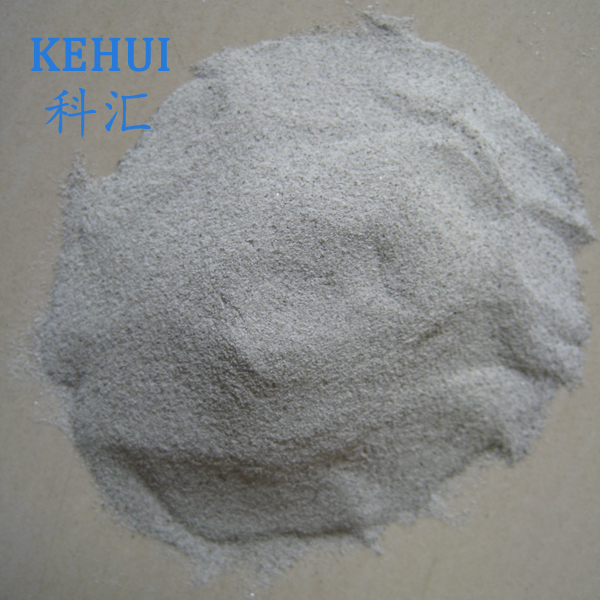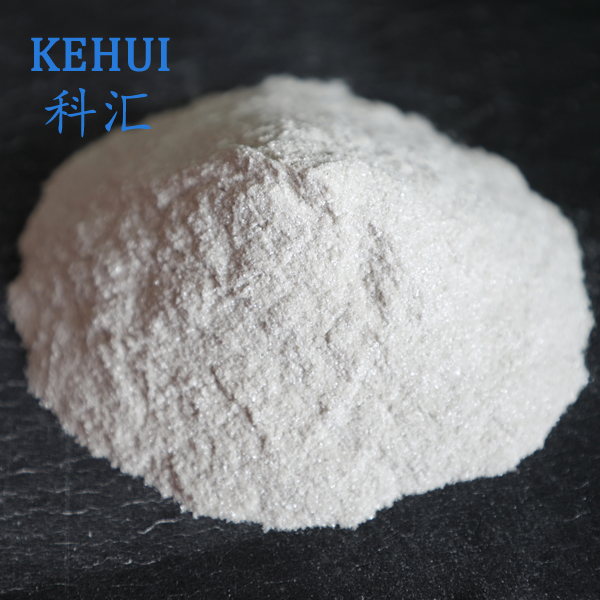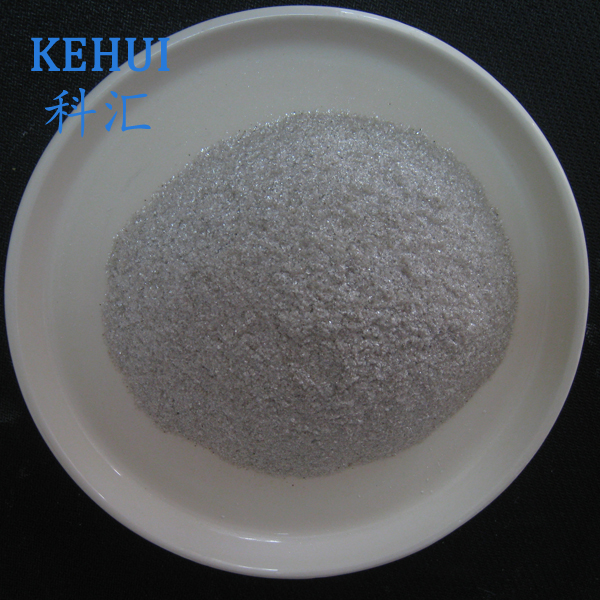
Cenosphere Floating Beads/Ceramic Microspheres for Coating: Real-World Notes from Formulators and Field Crews
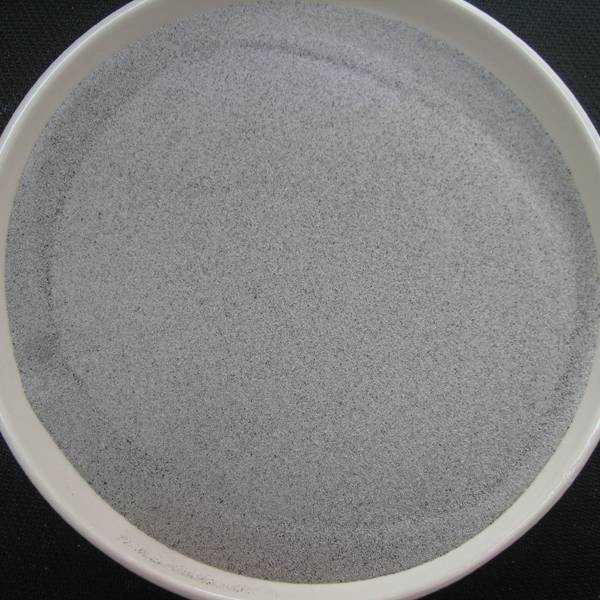
If you work on high-build epoxies, marine topcoats, or lightweight putties, you’ve likely heard the buzz around Cenosphere Floating Beads/Ceramic Microspheres For Coating. To be honest, I was skeptical years ago—until I watched a sag-prone epoxy turn glassy smooth with better sanding and a 12% weight drop. Since then, I’ve been paying attention.
Why cenospheres now? Industry pulse
Three drivers: lighter coatings for transport and wind blades, tighter VOC/solids targets, and better surface finish without killing the budget. Many customers say dispersion is easier than they expected. In fact, the latest alumino-silicate grades from Hebei, China, are surprisingly consistent for a naturally sourced material.
Product snapshot (field-proven)
Origin: Nanjialiang Village, Lingshou County, Shijiazhuang City, Hebei, China. Label often reads: “Oil Drilling Grade Cenospheres/Hollow Ceramic Microspheres — Low density 0.85–0.90 g/cc — 300/420/500 microns — Best quality at a competitive price.”
| Parameter | Typical Value (≈) | Notes / Method |
|---|---|---|
| True density | 0.85–0.90 g/cc | Helium pycnometer (ASTM D792 guidance) |
| Median size options | ≈300 / 420 / 500 µm | Laser diffraction (ISO 13320) |
| Crush strength | ≈20–35 MPa | Isostatic; real-world use may vary |
| Oil absorption | 15–25 g/100 g | ASTM D281 |
| Moisture / LOI | 105°C / ASTM D7348 | |
| Thermal stability | Up to ≈1000°C | Alumino-silicate shell |
How they’re made (short version)
- Materials: selected fly-ash fractions rich in low-density alumino-silicates (ASTM C618 context).
- Methods: floatation and air classification, magnetic removal of iron fines, low-alkali wash, controlled drying, fractionation (300/420/500 μm).
- Testing: density (ASTM D792), particle size (ISO 13320), moisture/LOI, whiteness, sieve residue, and pilot dispersion checks in epoxy and acrylic systems.
Where they shine
- High-build marine epoxies: reduce sag, improve sandability, lower thermal conductivity.
- Lightweight fillers for joint compounds and body fillers.
- Intumescent and fire-retardant coatings (lower density, ceramic ash stability).
- Oilfield cementing slurries (the “drilling grade” heritage). In coatings, I guess the sweet spot is replacing 5–15% of conventional extender package.
Case note from the field
A shipyard maintenance crew swapped 10% of talc/MD filler with Cenosphere Floating Beads/Ceramic Microspheres For Coating in an epoxy MIO intermediate. Results: mix density dropped ≈11%, wet-film sag limit improved from 10 to 14 mils, Taber abrasion (CS-17, 1 kg, 1000 cycles) improved ≈8% (ASTM D4060), and pull-off adhesion unchanged at ≈6.5 MPa (ASTM D4541). Not lab perfection, but the painters were happy.
Vendor landscape (quick comparison)
| Vendor | Grades | Density (g/cc) | Certs | MOQ / Lead time |
|---|---|---|---|---|
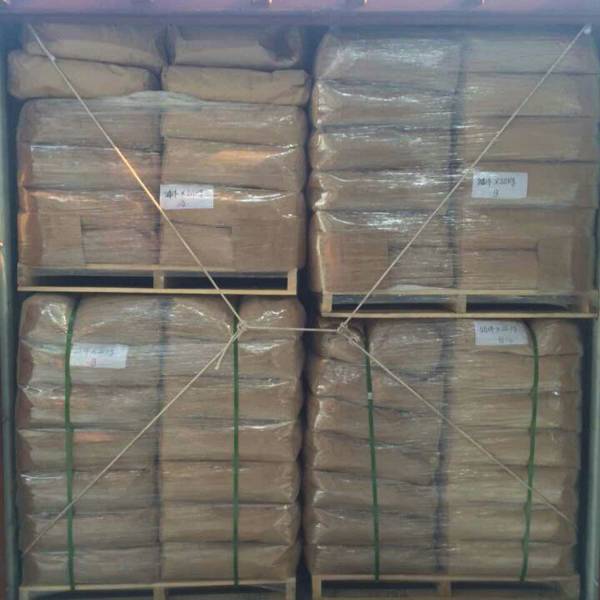
| KeHui (Hebei) | 300 / 420 / 500 µm | 0.85–0.90 | ISO 9001, RoHS/REACH (on request) | 1–3 t / ≈2–4 weeks |
| Vendor A (SEA) | Mixed fractions | 0.90–1.05 | ISO 9001 | 5 t / ≈4–6 weeks |
| Vendor B (EU) | Surface-treated | 0.70–0.85 | ISO 14001 + REACH | 0.5 t / ≈1–3 weeks |
Customization and integration tips
- Surface treatment: silane-treated options for epoxy/polyurethane improve wet-out.
- Particle cuts: select 300 µm for smoother finishes; 500 µm for maximum weight reduction.
- Dispersion: add late, low shear first, then moderate shear; screen for needles to protect crush strength.
- Target loading: 3–15% by weight in coatings; adjust rheology to keep suspension stable.
Service life in coatings: around 8–12 years in industrial maintenance systems (proper DFT), per abrasion/adhesion checks. And yes, Cenosphere Floating Beads/Ceramic Microspheres For Coating play nicely with anticorrosive pigments and MIO, if you balance PVC.
Compliance/notes: Supplier states ISO 9001 and REACH/RoHS documentation available. For critical infrastructure, verify against your project’s ASTM/ISO test panels before scale-up.
References
- ASTM C618 – Specification for Coal Fly Ash and Pozzolans (context for cenosphere sourcing).
- ISO 13320 – Particle size analysis by laser diffraction.
- ASTM D4060 – Abrasion Resistance of Organic Coatings (Taber).
- ASTM D4541 – Pull-Off Strength of Coatings.
- ASTM D281 – Oil Absorption of Pigments.
Latest news
-
Global Analysis and Trends of the Calcined Mica Flakes MarketNewsApr.16,2026
-
Technical Benefits of Calcined Mica for Welding ElectrodesNewsApr.09,2026
-
Superior Calcined Mica for Electrical Insulators Applications and BenefitsNewsApr.07,2026
-
Exploring the Versatility of Calcined Mica for Decoration and Diverse ApplicationsNewsApr.04,2026
-
Exploring Calcined Mica Properties Applications and Sourcing OptionsNewsMar.31,2026
-
Exploring the Versatile Applications of Mica Flakes Powder Across IndustriesNewsMar.28,2026
-
Comprehensive Guide to 100 Mesh Mica Powder Applications and Industrial BenefitsNewsMar.26,2026
Related Products