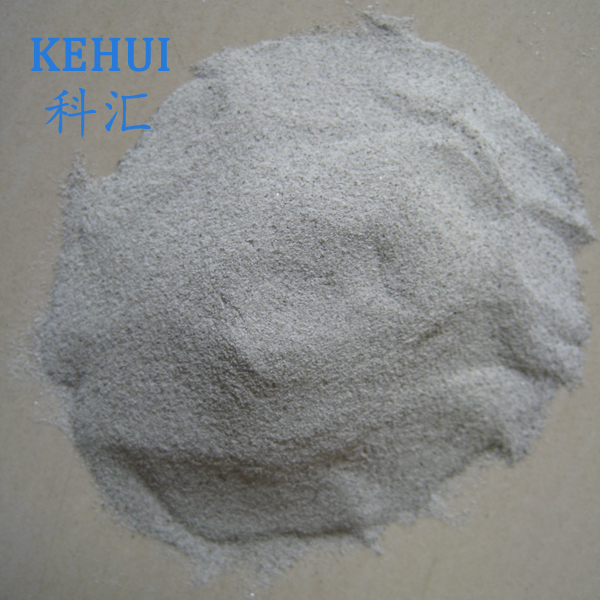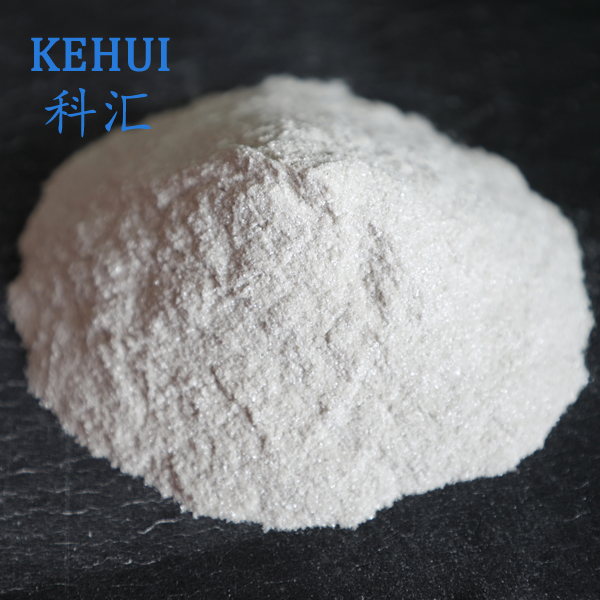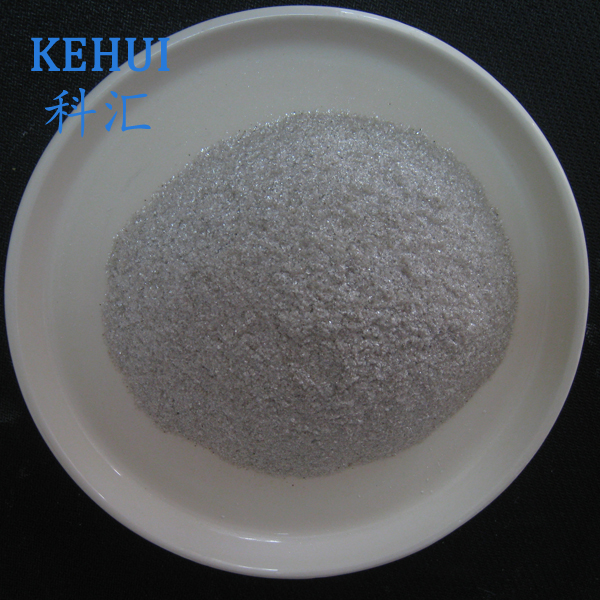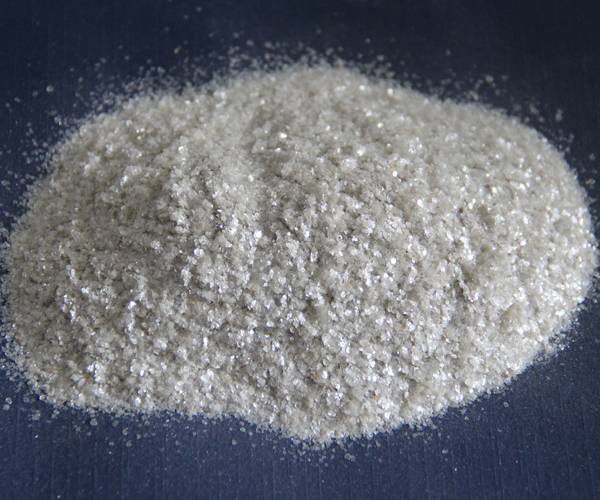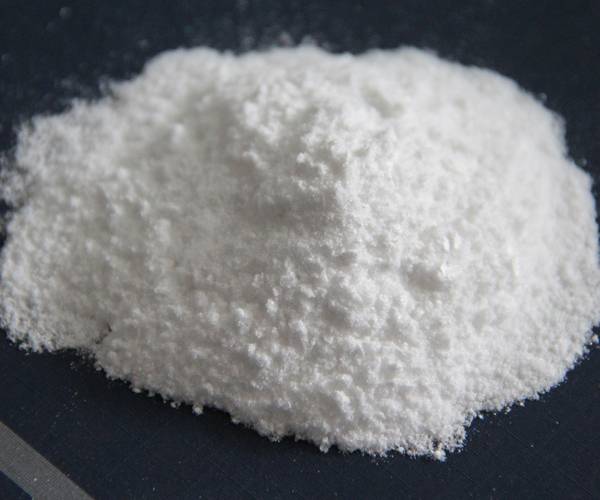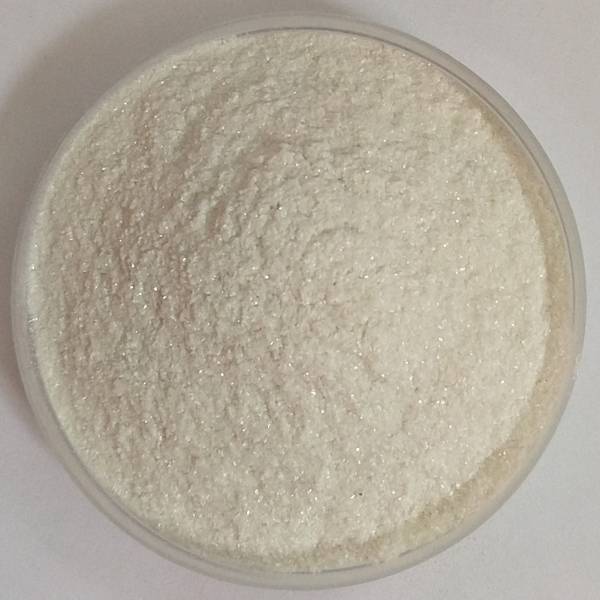
In the field of materials science, Ceramic Microspheres have become a highly promising functional material due to their small size and rich properties. These spherical particles made of ceramic materials typically have diameters ranging from a few micrometers to several hundred micrometers, but they have demonstrated unique application value in multiple fields.
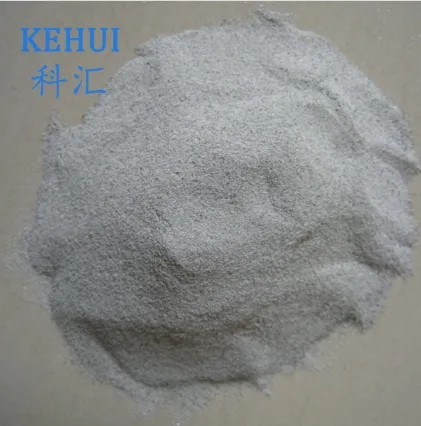
The composition and structure of Ceramic Microspheres determine their diverse characteristics
Hollow ceramic microspheres can be made of different ceramic materials such as alumina, zirconia, silica, etc., and different compositions endow microspheres with different properties. For example, alumina Ceramic Microsphere has high hardness and good wear resistance; Zirconia Ceramic Microsphere has excellent toughness and strong impact resistance; Silica Ceramic Microspheres have good chemical stability and thermal insulation properties. Its spherical structure results in a small contact area between particles, excellent fluidity, and the ability to evenly disperse in other materials.
Ceramic Microspheres possess a range of excellent physical and chemical properties
In terms of physical performance, Hollow Ceramic Spheres have outstanding high-temperature resistance and can maintain stable structure and performance in high-temperature environments without easily deforming or damaging. Meanwhile, its low density can reduce the overall weight of the material. In terms of chemical properties, it has good corrosion resistance, is not easily reactive with acidic and alkaline chemicals, and can be used for a long time in harsh chemical environments. In addition, some Ceramic Microspheres also have excellent insulation and thermal conductivity, and can be selected for application according to specific needs.
Ceramic Microspheres have a wide range of applications
In the coatings industry, adding Ceramic Hollow Microspheres to coatings can improve their wear resistance, weather resistance, and impact resistance, while reducing their density and minimizing coating cracking. In plastic and rubber products, it can be used as a filling material to enhance the strength, stiffness, and heat resistance of the product, as well as improve processing performance. In the field of building materials, Ceramic Microspheres are used in insulation mortar and other materials to enhance insulation and heat preservation effects, helping to save energy in buildings. In the medical field, Ceramic Microspheres made of specific materials can be used as drug carriers to achieve slow drug release and improve therapeutic efficacy.
With the development of material technology, the performance of Ceramic Microspheres is continuously optimized, and their application scope is also expanding
By improving the preparation process, the particle size and distribution of microspheres can be precisely controlled to better meet the requirements of different scenarios. Developing a new type of composite cenosphere powder, combining the advantages of various materials, can endow it with more special properties, such as high strength and high adsorption. In the future, Ceramic Microspheres are expected to play a greater role in high-tech fields such as new energy and aerospace.
In short, although Ceramic Microspheres are small in size, they occupy an important position in many fields due to their diverse components and excellent performance. Its emergence provides a new way for material modification and functional improvement. With the continuous advancement of technology, the performance of Ceramic Microspheres will be more perfect, and the application scenarios will be more diverse, demonstrating sustained vitality and value in promoting the development of related industries.
Ceramic Microsphere FAQs
What are the main components of Ceramic Microsphere?
Ceramic Microspheres are typically made of inorganic non-metallic materials such as alumina, zirconia, and silica, which have high melting points, high hardness, and excellent chemical stability. By controlling the particle size and surface properties of microspheres through precision technology, it can meet the needs of different industrial fields, such as fillers, catalyst carriers, or reinforcement materials.
What are the applications of Ceramic Microspheres in the medical field?
In the medical field, Ceramic Microspheres are used as drug delivery carriers, bone repair materials, or markers for medical imaging. Its biocompatibility and controllable pore structure enable it to accurately load drugs and achieve targeted therapy. For example, radioactive microspheres can be used for interventional therapy of liver cancer by injecting radiation into the lesion area through blood vessels.
Why can Ceramic Microspheres be used for aerospace materials?
The lightweight characteristics (density as low as 0.2-0.6 g/cm ³) and high temperature resistance (able to withstand temperatures above 1000 ° C) of Ceramic Microsphere make it an ideal filler for aerospace composite materials. They can effectively reduce the weight of components while improving the insulation, compressive strength, and creep resistance of materials, making them suitable for engine coatings or spacecraft insulation layers.
What are the key steps in the preparation process of Ceramic Microspheres?
The preparation process includes raw material proportioning, spray granulation, high temperature sintering and grading screening. Spray granulation atomizes the liquid precursor into tiny droplets and dries them to form initial particles; The sintering stage determines the density and strength of microspheres; Finally, the particle size distribution is ensured to be uniform through airflow or screening technology, with an accuracy of up to micrometers.
How to evaluate the quality performance of Ceramic Microspheres?
The key indicators include particle size distribution (detected by laser particle size analyzer), true density (measured by helium displacement method), compressive strength (single particle crushing test), and chemical purity (X-ray fluorescence spectroscopy). In addition, the specific surface area and porosity will affect its efficiency as a catalyst carrier, which needs to be characterized by a nitrogen adsorption instrument.
Latest news
-
Global Analysis and Trends of the Calcined Mica Flakes MarketNewsApr.16,2026
-
Technical Benefits of Calcined Mica for Welding ElectrodesNewsApr.09,2026
-
Superior Calcined Mica for Electrical Insulators Applications and BenefitsNewsApr.07,2026
-
Exploring the Versatility of Calcined Mica for Decoration and Diverse ApplicationsNewsApr.04,2026
-
Exploring Calcined Mica Properties Applications and Sourcing OptionsNewsMar.31,2026
-
Exploring the Versatile Applications of Mica Flakes Powder Across IndustriesNewsMar.28,2026
-
Comprehensive Guide to 100 Mesh Mica Powder Applications and Industrial BenefitsNewsMar.26,2026
Related Products