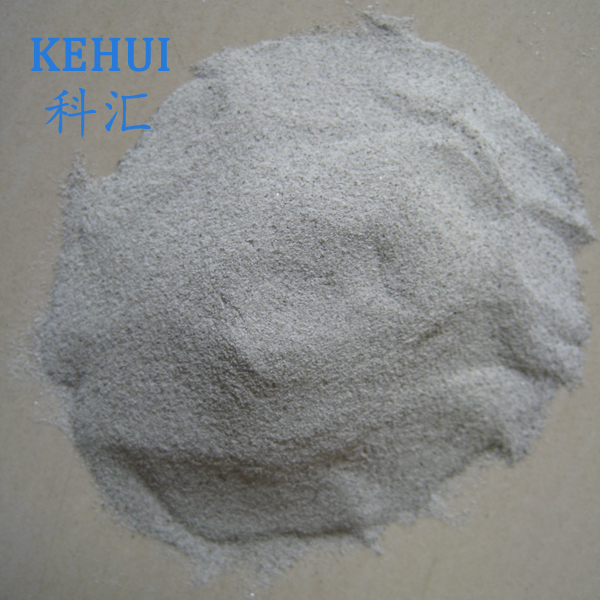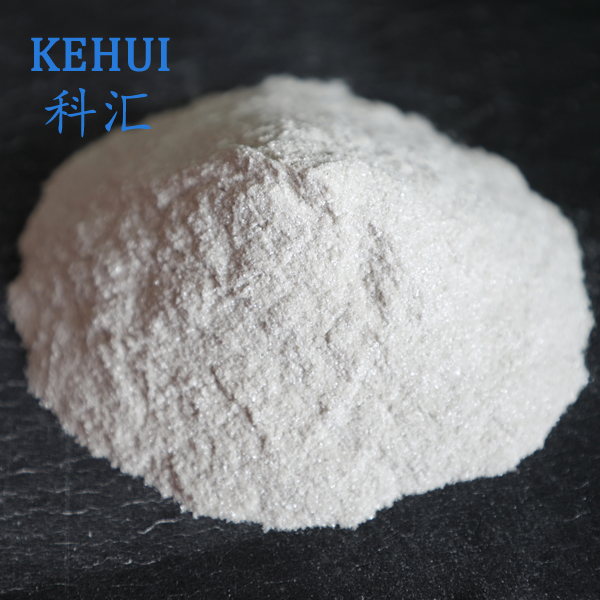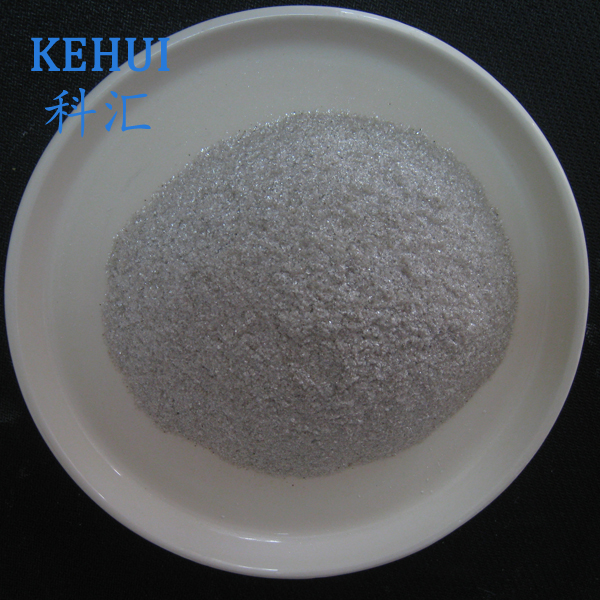
What Is Fine Perlite and Why It Matters Globally
Fine perlite for sale might sound niche, but in reality, it’s a material quietly supporting industries worldwide—from construction to horticulture. This lightweight, volcanic glass derivative has some pretty neat tricks: insulation, filtration, lightweight aggregate, and soil enhancement, to name a few.
Why care? Because with increasing demand for sustainable building and efficient growing mediums, fine perlite bridges critical gaps. It’s about enabling better crop yields, energy savings, and even disaster relief infrastructure. Knowing where and how fine perlite is sourced, processed, and sold offers insight into real-world solutions that touch many lives.
The Global Context of Fine Perlite for Sale
Globally, the construction sector alone accounts for nearly 40% of energy consumption and carbon emissions, per the UN Environment Programme’s latest reports. Lightweight insulating materials like fine perlite can reduce energy needs dramatically, making a sustainable difference.
Meanwhile, international agricultural standards (ISO 11263) acknowledge perlite’s benefits for soil aeration and moisture management, especially in water-stressed regions. The World Bank estimates that efficient soil amendments could improve yields by up to 30% in some developing countries, where food security remains a top concern.
However, challenges persist—like sourcing consistent quality, and meeting demand spikes during crises. The fine perlite market answers these, providing bulk quantities with predictable specs for industrial clients worldwide.
Fine Perlite: What Is It, Really?
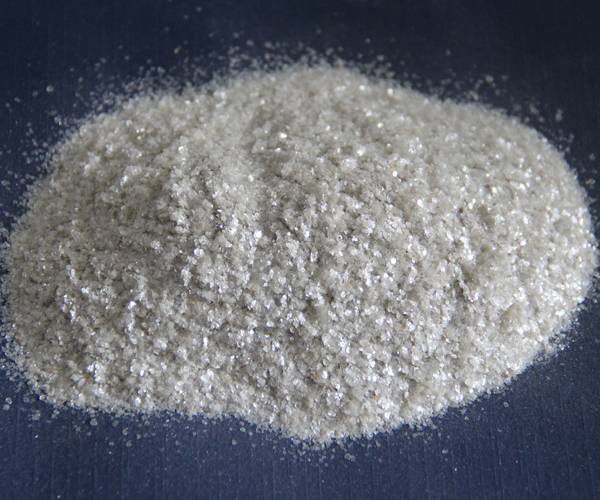
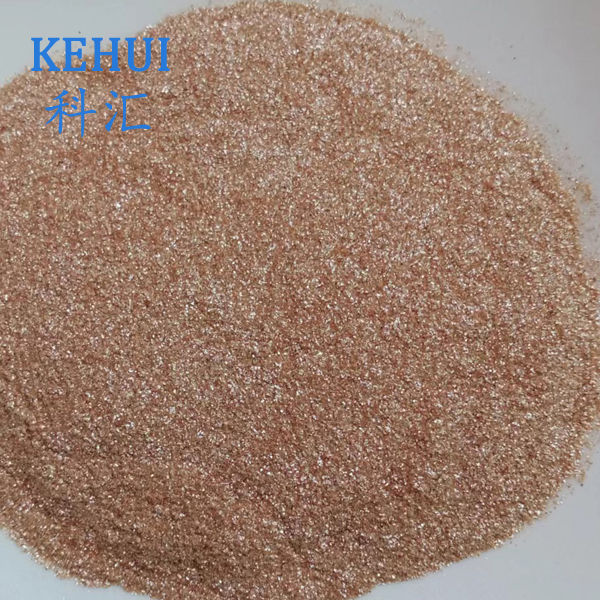
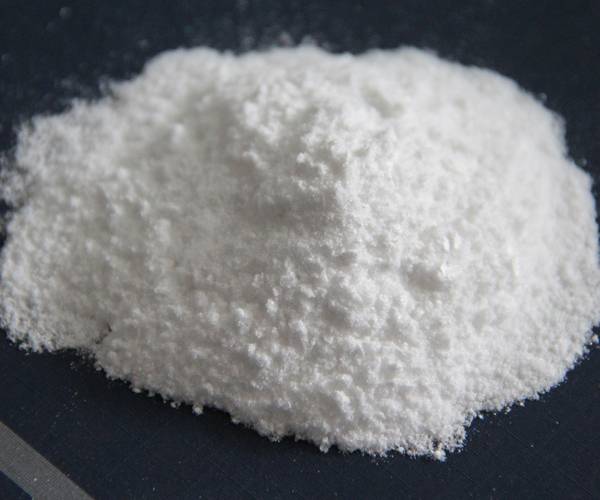
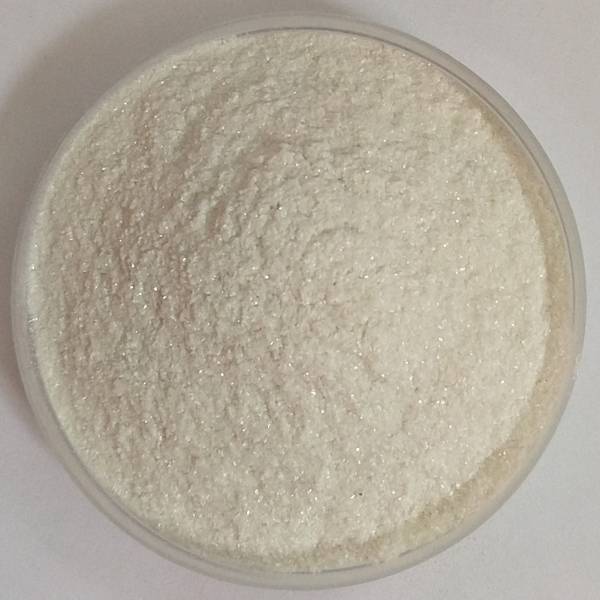
Simply put, fine perlite is a powdered form of the naturally occurring volcanic glass, expanded by heating. This expansion creates a porous, lightweight material. Because it’s fine, it boasts higher surface area compared to coarser grades — making it excellent for specialty uses such as soil conditioning, filtration beds, or plaster additives.
Industries depend on fine perlite to lighten heavy construction mixes without sacrificing strength. Also, growers rely on it to improve root aeration and retain moisture. Oddly enough, it even finds use in cryogenics and pharmaceuticals!
Key Attributes of Fine Perlite for Sale
1. Lightweight and Insulating
Fine perlite’s low bulk density (roughly 100–150 kg/m³) means it adds minimal weight but significant volume. This characteristic is why it’s popular in insulation boards, reducing heat transfer significantly compared to traditional materials.
2. Porosity and Water Retention
Its tiny pores trap water while allowing air flow — ideal for greenhouses or indoor farming installations. Moisture is held just enough to support roots but drains excess, preventing root rot.
3. Chemical Stability and pH Neutrality
Being chemically inert, fine perlite doesn’t react with fertilizers or soil amendments, preserving nutrient profiles. Its neutral pH helps keep delicate plants happy.
4. Fire Resistance
Because perlite expands under heat and lacks combustibles, it’s naturally fire-resistant — a big plus in construction and industrial applications.
5. Cost Efficiency and Scalability
Fine perlite is economically priced compared to synthetic alternatives, and it’s scalable for large purchases, making it an attractive option for both small growers and large construction firms.
Mini takeaway: Fine perlite’s unique blend of lightweight porosity, chemical stability, and fire resistance underlies its broad industrial appeal worldwide.
Real-World Applications: Where Fine Perlite Shines
- Agriculture & Horticulture: Used globally to boost soil aeration, improve root zones, and conserve water in arid zones.
- Construction: Employed as an insulating aggregate in lightweight concrete, plaster, and roofing materials. In cold climates, it significantly cuts heating costs.
- Filtration Systems: From water treatment plants to beverage industries, fine perlite’s filtration capacity helps remove impurities efficiently.
- Disaster Relief: In post-disaster rebuilding, where rapid deployment of lightweight insulation and soil restoration is critical, fine perlite gains prominence.
In fact, in regions like California and Southern Europe where wildfires and drought strike regularly, fine perlite enhances both building safety and agricultural resilience.
Advantages and Long-Term Value of Fine Perlite
Choosing fine perlite is more than a budget move:
- Cost Savings: Lower heating and cooling expenses in buildings, reduced fertilizer runoff in agriculture.
- Sustainability: Naturally abundant, recyclable, and non-toxic — it aligns with green building codes and sustainable farming.
- Reliability & Safety: Its inert nature minimizes risks of chemical breakdown or fire hazards.
- Social Impact: By improving crop viability in tough climates, it supports food security, impacting community health and well-being.
Frankly, it’s a classic win-win: practical benefits with a feel-good dimension.
Looking Ahead: Trends and Innovations in Fine Perlite
We are seeing interesting developments: greener mining practices, finer particle production for high-tech filtration, and mixes with bio-based composites for next-gen insulation panels.
Also, automated blending systems now help vendors consistently meet custom specifications demanded by designers and engineers.
Given the global push toward renewable energy, materials like fine perlite will become central in energy-efficient housing and climate-resilient agriculture.
Challenges and How They Are Being Tackled
That said, sourcing uniform fine perlite can be tricky due to geological variability. Shipping costs sometimes spike with bulk orders to remote locations. And, because it’s a powder, dust control during handling matters.
Vendors address these by rigorous quality testing, improved packaging solutions, and logistics partnerships that streamline delivery. Users also adapt by mixing perlite with other materials tailored for local conditions.
Product Specification Table for Fine Perlite (Common Industrial Grade)
| Specification | Value |
|---|---|
| Particle Size | Fine: 50 - 150 microns |
| Bulk Density | 110 - 130 kg/m³ |
| pH | 6.5 – 7.5 (neutral) |
| Moisture Content | Less than 5% |
| Thermal Conductivity | 0.05 W/m·K |
| Fire Resistance | Non-combustible |
Vendor Comparison: Choosing Your Supplier for Fine Perlite
| Vendor | Quality Control | Global Reach | Pricing | Customization Options |
|---|---|---|---|---|
| Kehuimica | ISO Certified, Batch Testing | Strong Asia & Europe Presence | Competitive Bulk Rates | Particle Size & Packaging |
| Global Perlite Co. | Regular Lab Analysis | Global Shipping Network | Mid-Range Pricing | Limited Customization |
| EcoMinerals Ltd. | Sustainable Mining Accreditation | Europe & North America Focus | Premium Pricing | Eco-Packaging Options |
FAQs: Your Questions About Fine Perlite for Sale
Q1: What industries use fine perlite the most?
A: Fine perlite is widely used in construction for insulation, horticulture for soil conditioning, and filtration in water treatment. Its versatility also extends into specialty sectors like pharmaceuticals and cryogenics.
Q2: How should I store fine perlite to maintain quality?
A: Keep it dry and sealed from moisture and contaminants. It’s a powder that can absorb humidity, which affects its insulation and filtration performance.
Q3: Can fine perlite help reduce energy costs in buildings?
A: Absolutely. Its low thermal conductivity makes it an excellent lightweight insulator in walls, floors, and roofs, helping to save on heating and cooling bills.
Q4: Is fine perlite environmentally friendly?
A: Yes, it’s a natural, inert material with a relatively low carbon footprint compared to synthetic alternatives. Plus, it’s recyclable and non-toxic.
Q5: Where can I buy quality fine perlite?
A: Trusted suppliers like fine perlite for sale vendors provide industrial-grade, tested fine perlite with export capability and customer support.
Conclusion: Why Fine Perlite for Sale Is a Smart Long-Term Investment
Fine perlite may not be headline news, but its practical benefits reverberate across industries and geographies. From helping farmers grow more with less water, to insulating houses that keep families warm, it’s a quietly powerful resource. As sustainability demands grow, so will the need for materials like fine perlite.
Interested in sourcing quality fine perlite? Visit https://www.kehuimica.com to explore options and connect with experienced suppliers.
Quick reflection: It’s quite fascinating how nature gifts us materials—like perlite—that are both ancient and perfectly suited for today’s sustainable challenges. Something as simple as volcanic glass pulverized finely enough can shape whole industries and improve communities. Not every solution needs to be high-tech; sometimes, it’s the humble things that matter most.
References
Latest news
-
Global Analysis and Trends of the Calcined Mica Flakes MarketNewsApr.16,2026
-
Technical Benefits of Calcined Mica for Welding ElectrodesNewsApr.09,2026
-
Superior Calcined Mica for Electrical Insulators Applications and BenefitsNewsApr.07,2026
-
Exploring the Versatility of Calcined Mica for Decoration and Diverse ApplicationsNewsApr.04,2026
-
Exploring Calcined Mica Properties Applications and Sourcing OptionsNewsMar.31,2026
-
Exploring the Versatile Applications of Mica Flakes Powder Across IndustriesNewsMar.28,2026
-
Comprehensive Guide to 100 Mesh Mica Powder Applications and Industrial BenefitsNewsMar.26,2026
Related Products