Why mica flakes bulk Still Matter in Industrial Applications
You know, after spending more than a decade in the industrial equipment sector, I’ve handled countless raw materials—from metals to synthetic composites. Yet, there’s something about mica flakes, especially mica flakes bulk, that keeps drawing my attention. It’s almost that humble, unassuming mineral that quietly powers vital insulation and heat-resistant applications across industries.
Frankly, mica’s stability, especially in flake form, continues to outperform alternatives under extreme conditions. Whether it’s used for thermal barriers, electrical insulation, or as a filler in fire-resistant paints, mica flakes have this unique ability to maintain structural integrity at high temps. Oddly enough, even in this age of advanced polymers and nanomaterials, mica flakes bulk remain a go-to for many engineers I know.
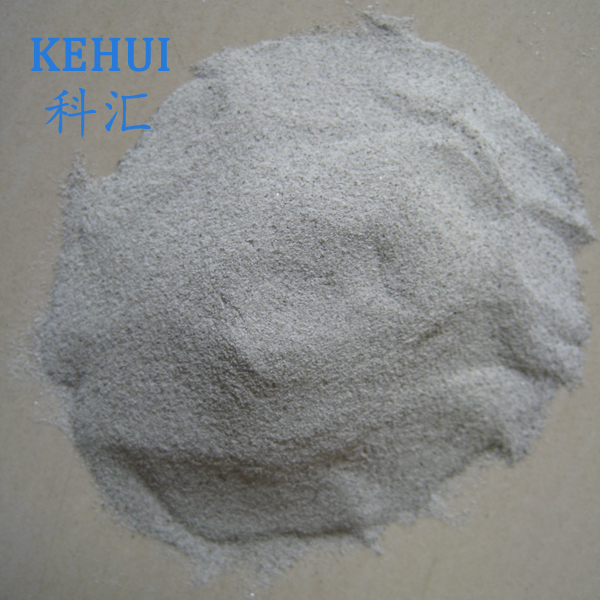
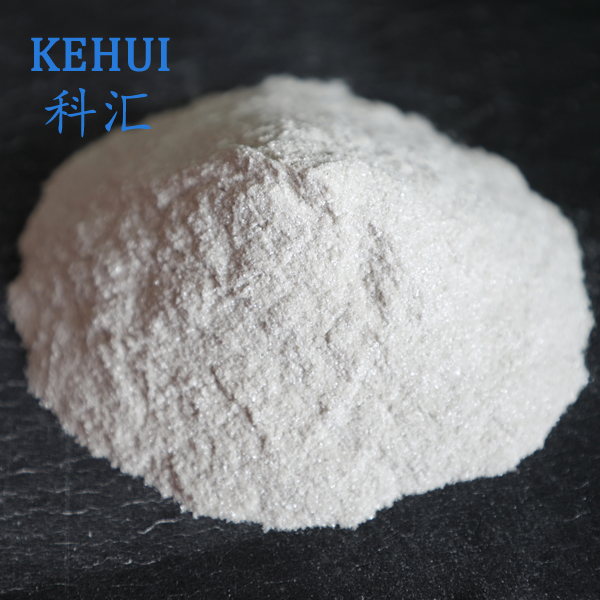
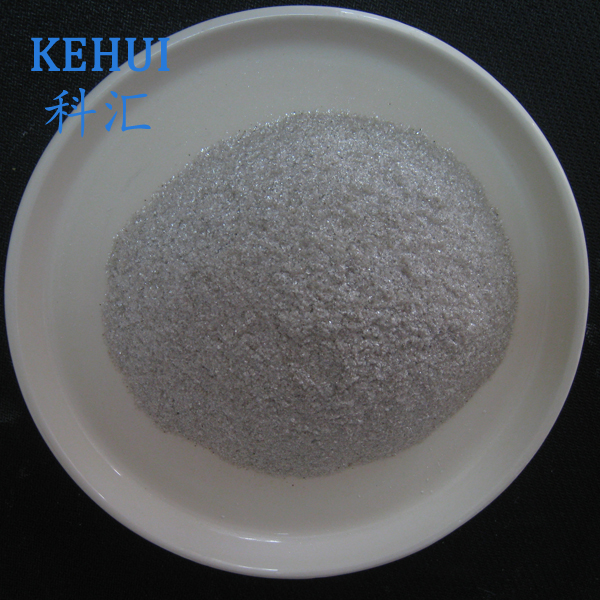
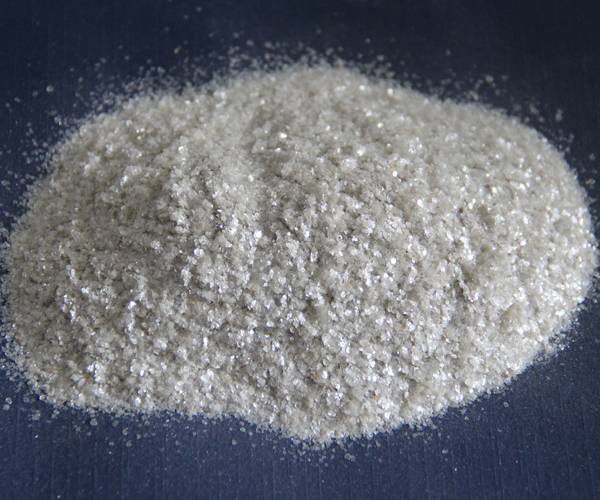
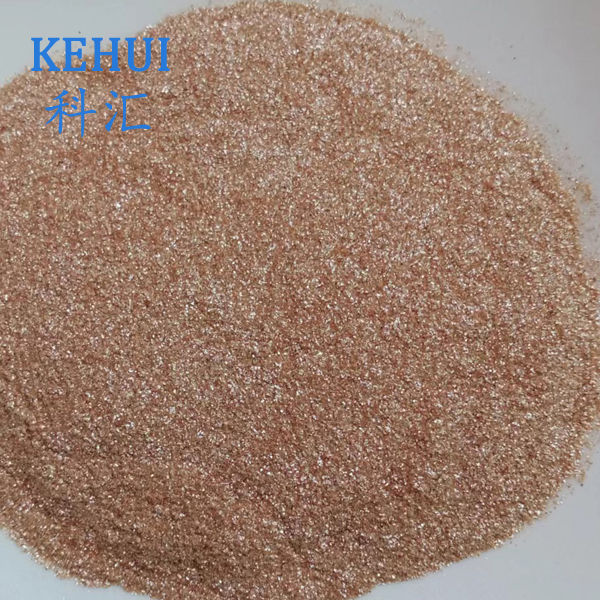
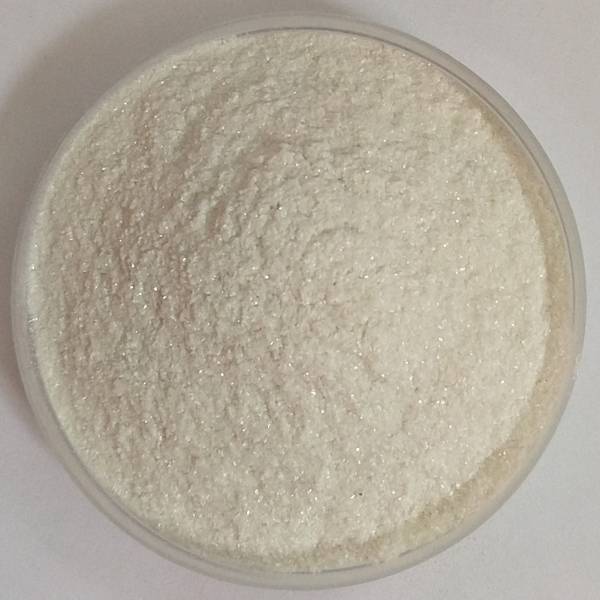
What’s interesting is how mica flakes visually vary — some suppliers provide ultra-fine, glossy flakes, while others lean more toward thicker, coarser grades. Depending on the application, that difference can be crucial, for instance in composites where uniformity affects performance and processing behavior.
Mica Flake Specifications At a Glance
| Parameter | Typical Range | Importance |
|---|---|---|
| Flake Size (mm) | 0.1 – 5.0 | Impacts filler dispersion |
| Purity (%) | >90 | Ensures performance consistency |
| Moisture Content (%) | Prevents clumping / degradation | |
| Color | Silver / White | Affects aesthetic in coatings |
| Bulk Density (g/cm³) | 2.7 – 3.0 | Relevant for packaging / transport |
Many suppliers compete on quality consistency and traceability. From the factory floor perspective, sourcing mica flakes in bulk means balancing price with reliability and batch-to-batch uniformity. In fact, a colleague recently shared how a shift to a more consistent supplier significantly reduced downtime caused by material variability in electrical insulation panels.
Vendor Comparison: What to Look For in Bulk Mica Flakes
| Vendor | Purity (%) | Flake Size Range (mm) | MOQ (tons) | Custom Packaging | Lead Time (weeks) |
|---|---|---|---|---|---|
| Kehuimica | >92 | 0.2 – 4.0 | 1 | Yes | 2–3 |
| Supplier B | ~90 | 0.1 – 3.5 | 5 | No | 4–5 |
| Supplier C | 88–90 | 0.3 – 5.0 | 2 | Limited | 3–4 |
When I first got into this sector, sourcing mica flakes was often a black box. You’d get inconsistent batches that literally altered product quality downstream. Today, with manufacturers like Kehuimica, there’s proper transparency and technically backed specifications, which make a real difference.
Here’s a quick story: A mid-sized insulation manufacturer switched to bulk mica flakes from a trusted supplier and saw a 15% improvement in thermal performance consistency—plus fewer rejects. Simple changes like batch purity and moisture control aren’t just buzzwords—they matter.
Also, the versatility of mica flakes often surprises newer engineers. You can mix those flakes in paints, plastics, even lubricants to increase wear resistance or thermal stability. I suppose that adaptability partly explains why mica never really became “obsolete.”
In real terms, if you’re sourcing mica flakes in bulk, focus on:
- Consistent physical specs (flake size and purity)
- Reliable moisture control
- Packaging that suits your storage and handling needs
- Vendor transparency about batch quality
It can feel like a niche product, but for many of us in industries where heat resistance and electrical insulation are critical, mica flakes bulk are quietly essential. It’s worth digging in and sourcing it smartly.
At the end of the day, having a trustworthy mica flakes bulk supplier can save your production line headaches — and frankly, that peace of mind is priceless.
– Written by someone who really gets the beat of industrial mineral sourcing, with a few years of hands-on experience under their belt.
References:
1. “Thermal and Electrical Properties of Mica,” Journal of Industrial Minerals, 2022.
2. Kehuimica Product Data Sheets, 2023.
3. Personal interviews with insulation manufacturers, 2023.
Latest news
-
Technical Benefits of Calcined Mica for Welding ElectrodesNewsApr.09,2026
-
Superior Calcined Mica for Electrical Insulators Applications and BenefitsNewsApr.07,2026
-
Exploring the Versatility of Calcined Mica for Decoration and Diverse ApplicationsNewsApr.04,2026
-
Exploring Calcined Mica Properties Applications and Sourcing OptionsNewsMar.31,2026
-
Exploring the Versatile Applications of Mica Flakes Powder Across IndustriesNewsMar.28,2026
-
Synthetic Mica Flakes- Kehui Mica Co.|Heat-Resistant, High WhitenessNewsMar.27,2026
-
Synthetic Mica Flakes- Kehui Mica Co.|Heat-Resistant, High WhitenessNewsMar.27,2026
Related Products