Dec . 03, 2025 11:22
Back to list
Benefits and Applications of Vermiculite Use In Soil for Industry | Kehuimica
Vermiculite Use In Soil is a key solution in the industry, specifically within agricultural, horticultural, and landscaping sectors. This article explores how https://www.kehuimica.com supports professionals with durable, high-performance products, and explains why this product is an ideal choice for businesses in these sectors.
Table of Contents
- Vermiculite Use In Soil Overview
- Benefits & Use Cases of Vermiculite Use In Soil
- Cost, Maintenance & User Experience
- Sustainability & Market Trends
Vermiculite Use In Soil Overview
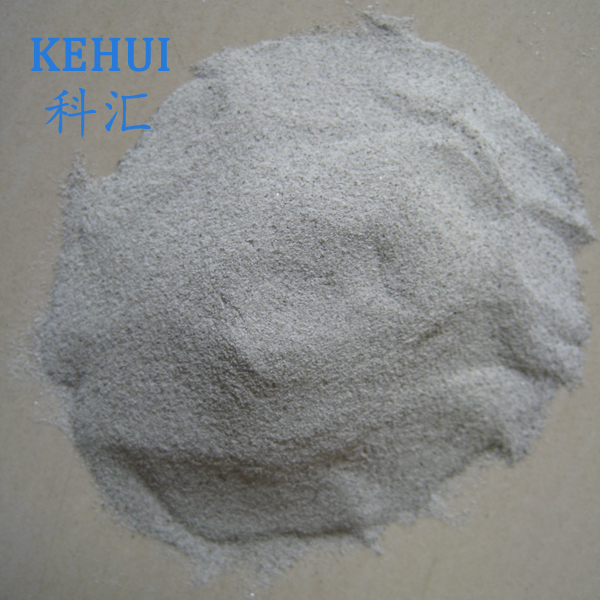
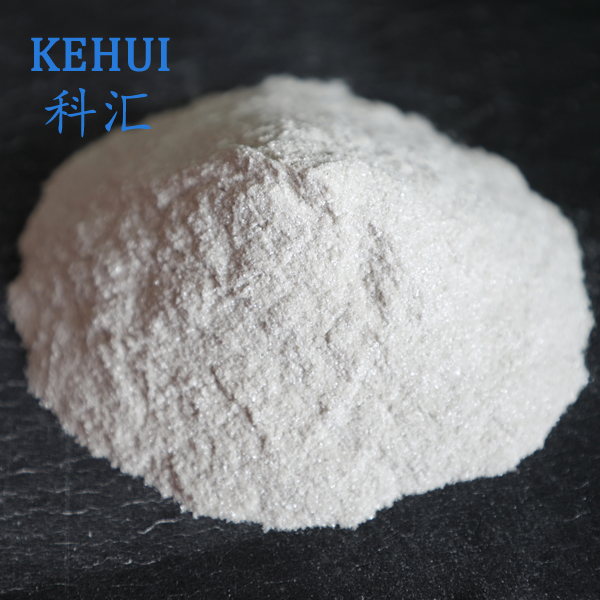
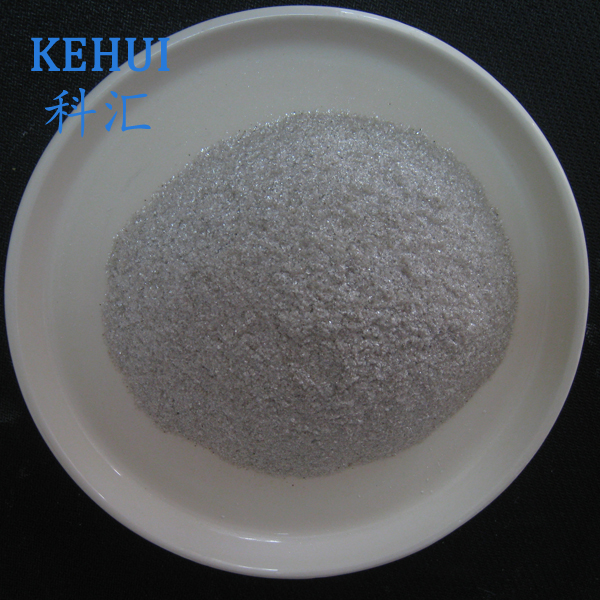
At its core, Vermiculite Use In Soil revolves around improving soil conditions — pretty crucial for any venture reliant on strong plant growth. Vermiculite is a naturally occurring mineral, which when heated, expands like popcorn, creating a lightweight, absorbent substrate. In simple terms, it acts like a sponge that retains moisture and nutrients, slowly releasing them to roots.
This characteristic sets vermiculite apart from more traditional soil amendments, which might either retain too much water or let it drain too quickly. I suppose it's this unique balance of aeration and water retention that has made vermiculite essential in horticulture and agriculture worldwide. For example, commercial growers have long appreciated this for seed germination and potting mixes, ensuring roots don’t drown or dry out.
| Product Specification | Details |
|---|---|
| Granule Size | 2 - 8 mm |
| Bulk Density | 80 - 160 kg/m³ |
| Water Absorption Capacity | 3 - 5 times its weight |
| pH Level | 6.5 - 8.5 (neutral to slightly alkaline) |
| Thermal Stability | Up to 1000°C |
Benefits & Use Cases of Vermiculite Use In Soil
When you talk to agronomists or landscapers, one thing that comes up a lot is how vermiculite enhances soil structure without weighing it down. It's not just about water retention — it also improves aeration, which frankly can be tricky when you're dealing with dense clays or compacted sites. This means roots breathe better, plants grow healthier, and yields improve.
Industries like commercial horticulture, greenhouse operations, and even golf course management rely heavily on vermiculite-enhanced soils. Why? Because vermiculite moderates moisture fluctuations, which can be a real headache otherwise. Also, its pH neutrality helps maintain a stable growing environment, critical for specialized crops.
Right out of the gate, vermiculite offers a competitive advantage by reducing the need for frequent irrigation and fertilization adjustments. That’s a big deal — it saves time and resources, something any business appreciates. Plus, the product’s lightweight nature means it’s easier to handle and transport, another plus when scaling operations.
Cost, Maintenance & User Experience
In real terms, the cost of incorporating vermiculite into soil amendments might seem higher upfront compared to some cheaper fillers. Yet, when the total cost of ownership is factored in — considering improved crop yields, less water usage, and reduced wastage — the ROI is impressive. Many users report lower long-term maintenance costs and better consistency in soil performance.
Feedback from customers within Kehuimica's network highlights consistent satisfaction with product durability and ease of use. One agribusiness client mentioned how switching to vermiculite-amended soil made irrigation schedules more predictable, which helped with labor planning. It’s this kind of practical benefit that often seals the deal.
| Vendor | Quality Grade | Price ($/ton) | Supply Capacity | Lead Time |
|---|---|---|---|---|
| Kehuimica | Premium | $320 | 50,000 tons/month | 2 weeks |
| Global Minerals | Standard | $280 | 30,000 tons/month | 3-4 weeks |
| EarthAdditives Co. | Economy | $250 | 15,000 tons/month | 4-5 weeks |
Sustainability & Market Trends
Oddly enough, vermiculite is renowned not just for its utility but also for its sustainability profile. The mining and processing footprint is comparatively low, especially when sourced responsibly. Increasingly, regulations across major agricultural markets encourage the use of eco-friendly soil amendments — and vermiculite fits right in.
Market trends point to growing adoption in organic farming and urban landscaping, driven by demand for sustainable practices. Businesses with foresight recognize vermiculite’s role in reducing water consumption and improving soil health over time — both key environmental indicators.
Kehuimica’s commitment to quality control and sustainable sourcing means clients can feel assured about the integrity of their supply chain, a growing priority for many procurers. So basically, vermiculite isn’t just a smart agronomic choice — it’s also a responsible one.
Frequently Asked Questions about Vermiculite Use In Soil
- What is Vermiculite Use In Soil and how does it work?
- Vermiculite Use In Soil means incorporating this expanded mineral into soil mixes to improve moisture retention and aeration. It works like a tiny sponge, soaking up water and nutrients then releasing them gradually to plants, enhancing growth and reducing water stress.
- What are the main benefits of using Vermiculite Use In Soil in industrial applications?
- The key benefits include better moisture control, improved soil aeration, lightweight handling, and sustained nutrient delivery. This translates into more consistent plant growth, fewer irrigation cycles, and reduced fertilizer run-off.
- How does Vermiculite Use In Soil compare to traditional alternatives?
- Unlike sand or perlite alone, vermiculite retains moisture much better while still allowing air to penetrate roots. It improves soil structure without compacting, making it a versatile alternative in many horticultural and agricultural settings.
- What industries can benefit most from Vermiculite Use In Soil implementation?
- Agricultural growers, greenhouse operators, landscaping firms, and golf course managers are among the primary users. Each of these sectors benefits from improved soil properties that vermiculite provides, enhancing productivity and sustainability.
Conclusion on Vermiculite Use In Soil from china
To wrap it up, Vermiculite Use In Soil stands out as a powerful amendment that marries practicality with sustainability. For businesses aiming to boost plant health and operational efficiency, vermiculite is worth considering seriously.
- It improves water and nutrient management, reduces operational headaches, and supports sustainable practices over time.
- Visit our website: https://www.kehuimica.com
In reflecting on vermiculite’s role, it’s clear this natural mineral continues to prove its value decades after adoption. As industries look ahead, the blend of performance and sustainability it offers will likely keep it firmly in the toolbox.
Latest news
-
Global Analysis and Trends of the Calcined Mica Flakes MarketNewsApr.16,2026
-
Technical Benefits of Calcined Mica for Welding ElectrodesNewsApr.09,2026
-
Superior Calcined Mica for Electrical Insulators Applications and BenefitsNewsApr.07,2026
-
Exploring the Versatility of Calcined Mica for Decoration and Diverse ApplicationsNewsApr.04,2026
-
Exploring Calcined Mica Properties Applications and Sourcing OptionsNewsMar.31,2026
-
Exploring the Versatile Applications of Mica Flakes Powder Across IndustriesNewsMar.28,2026
-
Comprehensive Guide to 100 Mesh Mica Powder Applications and Industrial BenefitsNewsMar.26,2026
Related Products