
Sep . 19, 2025 18:55
Back to list
Agricultural Greenhouses Expanded Perlite: Optimal Drainage & Aeration
The Strategic Role of Perlite in Modern Horticulture
In the rapidly evolving landscape of controlled environment agriculture, the selection of optimal growing media is paramount for maximizing yield, conserving resources, and ensuring plant health. Among the diverse array of substrates available, Agricultural Greenhouses Expanded Perlite stands out as a critical component, offering a unique combination of physical and chemical properties that cater to the demanding requirements of high-performance greenhouse cultivation. Its lightweight, porous, and inert nature provides an unparalleled foundation for robust root development and efficient nutrient delivery, making it indispensable for modern hydroponic and substrate-based systems.
This comprehensive overview delves into the technical specifications, application scenarios, and strategic advantages of expanded perlite for agricultural greenhouses, targeting B2B decision-makers and agricultural engineers seeking to optimize their cultivation strategies. We explore the manufacturing intricacies, industry trends, and real-world impact of this versatile material.
Industry Trends and Market Dynamics
The global protected horticulture market is experiencing exponential growth, driven by increasing population demands, food security concerns, and the need for sustainable, climate-resilient agricultural practices. Modern greenhouses, from traditional glass structures to advanced vertical farms, require substrates that offer precision control over the root zone environment. This shift has propelled the demand for high-quality, sterile, and inert growing media.
Perlite, with its superior aeration and water retention capabilities, addresses key challenges faced by growers: preventing waterlogging, ensuring adequate oxygen supply to roots, and facilitating precise nutrient management. Industry analyses indicate a consistent growth trajectory for horticultural perlite, projected to reach significant market valuations by the end of the decade, reflecting its critical role in advanced cultivation systems. The trend towards soilless cultivation (hydroponics, aeroponics) further solidifies perlite’s position as a preferred substrate component, often blended with coco coir, peat moss, or rockwool to fine-tune physical properties for specific crop requirements.
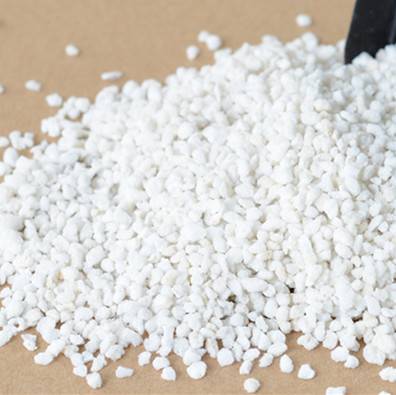
Image: Optimized root environment with Agricultural Greenhouses Expanded Perlite.
Manufacturing Process: From Ore to Optimal Substrate
The production of Agricultural Greenhouses Expanded Perlite is a carefully controlled thermophysical process, transforming raw perlite ore into its highly beneficial expanded form. The integrity and performance of the final product are directly dependent on adherence to stringent manufacturing and quality control standards.
Process Flow Overview:
- Raw Material Sourcing: High-grade perlite ore, a naturally occurring amorphous volcanic glass, is mined. Key characteristics include its inherent water content (2-6% by weight) and purity.
- Crushing and Screening: The raw ore is crushed to specific particle sizes, typically ranging from fine powder to coarse granules, tailored for different expansion outcomes and end-use applications. This ensures uniform expansion and prevents clumping.
- Pre-heating (Optional but Recommended): Some processes involve pre-heating the crushed ore to remove surface moisture and prepare it for rapid, uniform expansion in the primary furnace.
- Flash Expansion in Rotary Kiln: The core of the process. Ore is rapidly heated to temperatures between 850°C and 1100°C (1560°F - 2010°F) in a specialized rotary kiln or vertical furnace. At these temperatures, the entrapped water within the perlite matrix vaporizes, causing the material to expand dramatically—up to 10-20 times its original volume. This rapid expansion creates the characteristic lightweight, porous, and cellular structure.
- Cooling and Cyclonic Separation: The expanded perlite is quickly cooled and then separated from combustion gases and fine particles using cyclones or air classifiers, ensuring a clean and consistent product.
- Final Screening and Classification: The cooled, expanded perlite is screened again to ensure uniform particle size distribution, removing any oversized or undersized material. This step is crucial for horticultural applications to maintain consistent bulk density and drainage properties.
- Packaging: The finished product is typically bagged in various sizes, ranging from small consumer bags to large bulk sacks, often UV-stabilized for outdoor storage.
Quality Control and Standards:
Throughout the manufacturing process, rigorous quality control measures are implemented. Products are routinely tested against industry standards such as ASTM C549 (Expanded Perlite Loose Fill Insulation) for bulk density and particle size. For horticultural grades, specific parameters like pH (typically neutral 6.5-7.5), electrical conductivity (EC, should be low to inert), and water holding capacity are meticulously analyzed. Manufacturers often hold ISO 9001 certifications to ensure consistent product quality and process reliability, directly benefiting industries like professional horticulture, hydroponics, and nursery operations where product consistency is non-negotiable.
Service Life and Target Industries:
Expanded perlite is an inorganic, sterile, and inert material, giving it an effectively indefinite service life in horticultural applications. It does not decompose or break down, maintaining its physical structure over long periods, unlike organic substrates. This longevity contributes to reduced waste and improved substrate stability. While primarily known for horticulture, it also finds applications in construction, cryogenics, and filtration. For Agricultural Greenhouses Expanded Perlite, the target industries are predominantly:
- Commercial Hydroponic Farms (NFT, DWC, Drip Systems)
- Greenhouse Vegetable and Flower Cultivation
- Nursery and Seedling Production
- Container and Potting Mix Manufacturers
- Vertical Farms and Controlled Environment Agriculture (CEA)
Its inherent inertness means it offers no chemical interaction with nutrients, ensuring precise control over the nutrient solution, a critical advantage in energy-saving and resource-efficient cultivation strategies.
Technical Specifications and Parameters
Understanding the precise technical parameters of Agricultural Greenhouses Expanded Perlite is crucial for its effective application in complex horticultural systems. The following table provides typical specifications for high-grade expanded perlite suitable for professional greenhouse use.
Product Specification Table: Horticultural Grade Expanded Perlite
| Parameter | Typical Value Range | Significance for Greenhouses |
|---|---|---|
| Bulk Density (Loose) | 60 - 150 kg/m³ (3.7 - 9.4 lbs/ft³) | Extremely lightweight, reducing structural load on benches and root system compaction. Facilitates handling and transport. |
| pH (1:5 Slurry) | 6.5 - 7.5 (Neutral) | Chemically inert, does not alter nutrient solution pH, allowing precise control over nutrient availability for plants. |
| Water Holding Capacity (WHC) | 30% - 60% by volume | Retains significant moisture for plant roots, reducing irrigation frequency, while still allowing excellent drainage. |
| Air Porosity (AP) | 30% - 70% by volume | Ensures ample oxygen supply to root zones, critical for preventing anaerobic conditions, root rot, and promoting vigorous growth. |
| Electrical Conductivity (EC) | < 0.1 mS/cm | Extremely low EC, indicating virtually no dissolved salts, preventing nutrient lockout or osmotic stress on young plants. |
| Particle Size Distribution | Fine: 0.5-2 mm; Medium: 1-4 mm; Coarse: 3-6 mm | Tailored for specific applications (e.g., fine for seed starting, coarse for hydroponic systems requiring maximum drainage). |
| Cation Exchange Capacity (CEC) | Negligible (< 5 meq/100g) | Does not bind nutrients, ensuring they are readily available in the nutrient solution for plant uptake. |
| Thermal Conductivity | ~0.04-0.06 W/(m·K) (at 20°C) | Excellent insulating properties, helping to moderate root zone temperature fluctuations, protecting against both cold and heat stress. |
These specifications highlight why expanded perlite is a superior choice for controlled environment agriculture. Its consistent physical properties provide growers with predictable results, a cornerstone of successful commercial operations.
Application Scenarios in Agricultural Greenhouses
The versatility of Agricultural Greenhouses Expanded Perlite allows for its effective integration across a myriad of cultivation systems, adapting to various crop needs and operational scales. Its unique attributes make it indispensable in:
- Hydroponic Systems: Perlite is a prime choice for drip irrigation systems, Ebb and Flow (flood and drain), and even deep water culture (DWC) systems, often used in grow bags or slabs. Its inertness ensures that the precisely formulated nutrient solution remains stable, delivering optimal conditions for plants like tomatoes, cucumbers, peppers, and leafy greens. Its excellent drainage prevents root diseases common in saturated media.
- Potting Mixes and Substrate Blends: As an amendment, perlite significantly improves the physical structure of potting mixes. Blended with peat moss, coco coir, compost, or other organic components, it enhances aeration, reduces compaction, and improves drainage, creating an ideal environment for container111-grown plants, ornamental flowers, and vegetables in greenhouses. Typical ratios range from 10-50% perlite, depending on the desired porosity and water retention.
- Seed Starting and Propagation: Fine-grade perlite offers a sterile, lightweight, and moisture-retentive medium, perfect for germinating seeds and rooting cuttings. Its consistency provides uniform moisture and temperature, leading to higher germination rates and stronger seedling development. It minimizes damping-off disease due to its sterile nature and good drainage.
- Rooting Cuttings: The superior aeration and moisture balance provided by perlite create an optimal environment for callus formation and root initiation. Cuttings rooted in perlite experience less stress and faster development.
- Soil Amendment for Raised Beds: While primarily for soilless culture in greenhouses, perlite can improve heavy clay soils by enhancing drainage and aeration, or improve sandy soils by increasing water retention capacity within raised beds or large container111s inside greenhouse structures.
These diverse applications underscore perlite’s adaptability and effectiveness in creating controlled, optimized growing conditions essential for modern, high-yield greenhouse operations.
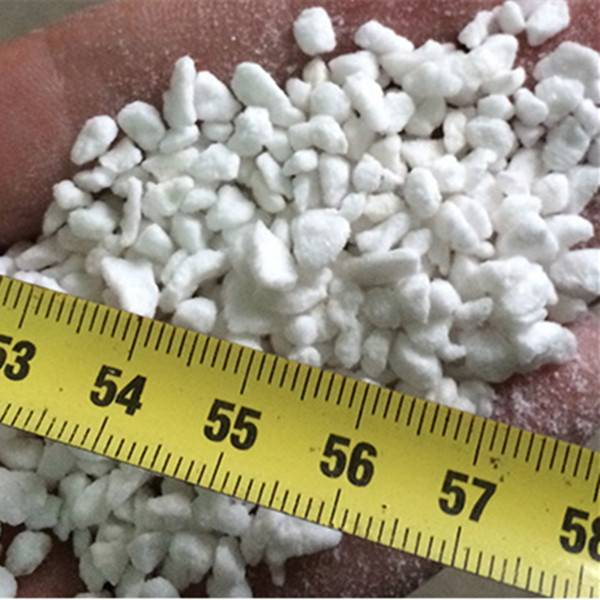
Image: Perlite used as a key component in a greenhouse substrate blend.
Technical Advantages Over Alternative Substrates
When evaluating growing media for agricultural greenhouses, decision-makers weigh numerous factors including performance, cost, and sustainability. Agricultural Greenhouses Expanded Perlite offers distinct technical advantages over many traditional and synthetic alternatives.
Comparative Analysis: Perlite vs. Common Substrates
| Feature | Expanded Perlite | Rockwool | Coco Coir | Peat Moss |
|---|---|---|---|---|
| Aeration & Drainage | Excellent (High AP, prevents waterlogging) | Good (Can retain too much water if not managed) | Good (Variable based on processing) | Moderate (Can compact, reduce aeration) |
| Water Retention | Good (Retains water on surface, not absorbed) | Excellent (High WHC, prone to over-saturation) | Excellent (High WHC) | Excellent (High WHC) |
| Chemical Inertness | Highly Inert (Neutral pH, negligible EC/CEC) | Inert (Requires pre-soaking to stabilize pH) | Variable (Can have high EC/salts if not washed, moderate CEC) | Moderate (Acidic pH, low CEC) |
| Sterility | Sterile (High-temperature processing) | Sterile (High-temperature processing) | Not sterile (Organic material) | Not sterile (Organic material) |
| Longevity/Decomposition | Indefinite (Mineral, non-degradable) | Indefinite (Mineral, non-degradable) | Moderate (Degrades over time) | Moderate (Degrades over time) |
| Environmental Impact | Minimal (Natural mineral, energy for expansion) | High (Energy-intensive, non-biodegradable waste) | Moderate (Resource-intensive processing, transportation) | Moderate (Peat bog depletion concern) |
Key advantages of expanded perlite include:
- Optimal Aeration and Drainage: The cellular structure of perlite ensures excellent porosity, preventing root suffocation and promoting healthy, extensive root systems. This is particularly vital in closed-loop hydroponic systems to mitigate waterborne pathogens.
- Precision Nutrient Control: Being chemically inert, perlite does not bind or release nutrients, allowing growers complete command over the nutrient solution's composition and pH. This precision is invaluable for optimizing crop-specific feeding schedules.
- Sterility and Disease Prevention: The high-temperature expansion process renders perlite sterile, free from weeds, diseases, and insects. This drastically reduces the risk of initial contamination in sterile greenhouse environments.
- Lightweight and Stable: Its low bulk density minimizes stress on greenhouse structures and makes handling and transplanting easier. Its inorganic nature means it will not decompose, maintaining consistent physical properties throughout the crop cycle.
- Thermal Insulation: Perlite's porous structure provides good thermal insulation, helping to buffer root zone temperatures against extreme fluctuations, which can be critical for sensitive crops.
Vendor Comparison and Selection Criteria
Selecting the right supplier for Agricultural Greenhouses Expanded Perlite is a strategic decision that impacts operational efficiency and crop success. B2B purchasers should evaluate vendors based on several critical criteria to ensure long-term reliability and performance.
- Product Quality and Consistency: Demand verifiable specifications (bulk density, pH, particle size distribution, EC levels). A reputable vendor will provide consistent quality batch after batch, crucial for predictable crop outcomes. ISO 9001 certification indicates robust quality management systems.
- Particle Size Availability: Ensure the vendor offers a range of particle sizes (fine, medium, coarse) to match specific application needs, from seed starting to hydroponic grow bags. Custom blends may also be a consideration.
- Supply Chain Reliability: For large-scale operations, an unbroken supply chain is vital. Assess the vendor’s production capacity, logistics capabilities, and ability to deliver on time, especially during peak seasons.
- Technical Support and Expertise: A valuable partner offers agronomic support, guidance on optimal usage, and troubleshooting assistance. This includes understanding crop-specific requirements and integrating perlite effectively into existing systems.
- Certifications and Compliance: Verify relevant certifications (e.g., OMRI-listed for organic operations if applicable, quality standards). Ensure compliance with environmental and safety regulations.
- Cost-Effectiveness and Value: While price is a factor, focus on the overall value proposition. A slightly higher initial cost may be justified by superior performance, reduced crop failures, and longer product life.
Our commitment to these benchmarks ensures that our Agricultural Greenhouses Expanded Perlite products consistently meet and exceed industry expectations, providing a reliable foundation for your greenhouse operations. Our 20+ years of experience in mineral processing and strong partnerships globally underscore our authoritative position in the market.
Customized Solutions and Project Integration
Recognizing that no two greenhouse operations are identical, we offer tailored solutions designed to optimize the performance of Agricultural Greenhouses Expanded Perlite within unique cultivation environments. Our approach to customization ensures seamless integration and maximum efficiency for your specific projects.
- Tailored Particle Size Distribution: We can provide custom blends or specific particle sizes to match different irrigation strategies (e.g., coarser grades for frequent drip irrigation, finer for high water retention).
- Pre-Blended Substrates: For large-scale growers, we can offer custom pre-blended mixes with other substrates like coco coir or peat moss, reducing on-site labor and ensuring consistent ratios.
- Packaging Solutions: From standard 100-liter bags to bulk bags (e.g., 1-3 m³), or even direct silo delivery for very large operations, packaging can be customized to streamline your logistics and handling.
- Technical Consultation and Design Support: Our team of experts collaborates with your agricultural engineers and agronomists to integrate perlite effectively into new or existing greenhouse designs, advising on optimal substrate depths, irrigation frequency, and nutrient management.
- Logistics and Supply Chain Optimization: For international or remote projects, we develop optimized logistics plans, including container111ization, freight forwarding, and local distribution partnerships, to ensure timely and cost-effective delivery.
This commitment to customized solutions ensures that our partners gain a competitive edge through optimized growing conditions and streamlined operations.
Application Case Studies
Real-world application demonstrates the tangible benefits of integrating Agricultural Greenhouses Expanded Perlite into commercial greenhouse operations. These case studies highlight improved yields, efficiency, and plant health.
Case Study 1: Large-Scale Hydroponic Tomato Cultivation
A major hydroponic tomato farm in the Netherlands, specializing in high-wire cultivation, transitioned from rockwool slabs to a perlite-coco coir blend for improved root zone aeration and disease resistance. By utilizing a 70% perlite (coarse grade) and 30% coco coir mix in grow bags, the farm observed a 12% increase in average fruit size and a 7% reduction in fungal root diseases over two growing seasons. The enhanced drainage provided by perlite significantly reduced instances of Pythium and Phytophthora, leading to a more robust crop and ultimately, higher marketable yields. The growers reported greater ease in managing nutrient runoff due to perlite's inert properties.
Case Study 2: Organic Herb and Leafy Green Production
An organic greenhouse operation in California, focusing on basil, lettuce, and microgreens, sought a sterile and lightweight substrate for its certified organic production. Integrating fine-grade perlite into their seed-starting and potting mixes (25% perlite, 75% organic compost/peat blend) resulted in a 15% improvement in seed germination rates and a 20% reduction in seedling mortality. The improved aeration prevented compaction common with heavy organic mixes, leading to healthier root development and faster crop cycles, aligning perfectly with organic certification requirements for inert, non-toxic media.
Case Study 3: Advanced Cannabis Cultivation
A controlled environment cannabis facility employed a fully perlite-based substrate for its flowering plants in a drip-to-waste hydroponic system. Utilizing medium-grade perlite in 5-gallon container111s, the facility reported optimized nutrient uptake, directly attributable to the exceptional air porosity and inertness of the perlite. Root systems were noticeably healthier and more extensive, contributing to a 10-15% increase in cannabinoid production by weight per plant, and a reduction in overall water usage by optimizing irrigation cycles based on the rapid drainage properties of the substrate.
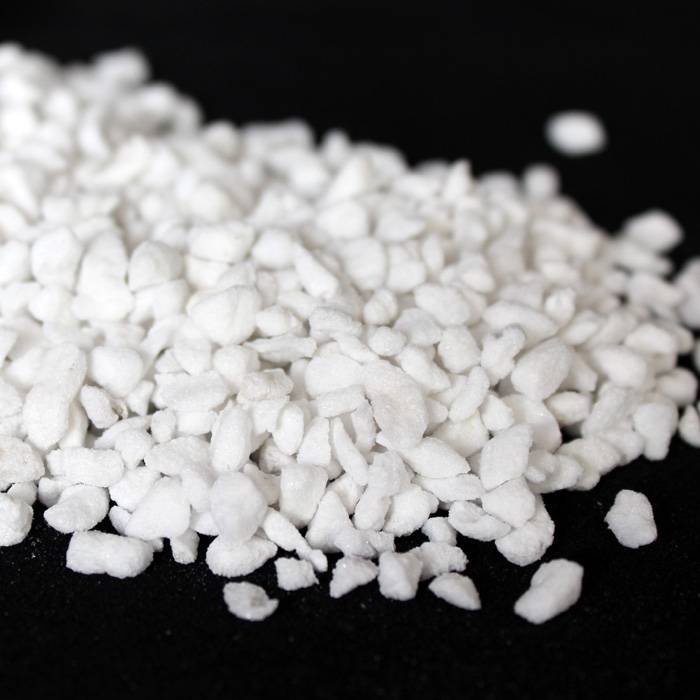
Image: Healthy plant growth facilitated by high-quality Agricultural Greenhouses Expanded Perlite.
Frequently Asked Questions (FAQ)
- Q: What is the ideal particle size of perlite for hydroponic drip systems?
- A: For hydroponic drip systems, a medium to coarse grade (typically 2-5 mm) is generally preferred. This ensures excellent drainage and aeration, preventing waterlogging while providing sufficient physical support for root systems. Finer grades might retain too much water and compact over time.
- Q: Can expanded perlite be reused in greenhouse operations?
- A: Yes, perlite can technically be reused due to its inorganic and non-degradable nature. However, for commercial greenhouse applications, especially in sterile environments, reusing perlite is generally not recommended without thorough sterilization (e.g., heat or chemical treatment) to eliminate pathogens and residual salts. The cost and effort of effective sterilization often outweigh the benefits for high-value crops.
- Q: Is Agricultural Greenhouses Expanded Perlite safe for the environment and human handling?
- A: Expanded perlite is a naturally occurring mineral and is considered safe and inert. It does not contain asbestos or other harmful fibers. When handling, especially fine grades, it is advisable to wear a dust mask to prevent inhalation of airborne particles, similar to handling any fine mineral dust. Environmentally, it is stable and does not decompose or release harmful chemicals into the soil or water.
- Q: How does perlite affect nutrient retention compared to other substrates?
- A: Perlite has a negligible Cation Exchange Capacity (CEC), meaning it does not chemically bind with nutrients. This is a significant advantage in hydroponics, as it allows growers complete and precise control over the nutrient solution. All applied nutrients are immediately available to the plant roots, without being held or released erratically by the substrate, unlike organic materials like peat or coco coir which have higher CECs.
Lead Time, Warranty, and Customer Support
Lead Time and Fulfillment
Our standard lead time for bulk orders of Agricultural Greenhouses Expanded Perlite typically ranges from 7-14 business days, depending on order volume, customization requirements, and destination. We maintain substantial inventory levels to accommodate urgent requests and can offer expedited shipping options. For large-scale projects, we recommend advance scheduling and can provide dedicated logistics management to ensure seamless delivery to your greenhouse facility.
Warranty Commitments
We stand behind the quality of our Agricultural Greenhouses Expanded Perlite. All products are guaranteed to meet the published technical specifications and industry standards (e.g., ASTM, ISO 9001). In the event of any product failing to meet these specifications upon delivery, customers are entitled to a full replacement or refund. Our warranty covers material defects and non-conformance for a period of 12 months from the date of purchase, provided proper storage and handling guidelines are followed.
Dedicated Customer Support
Our commitment extends beyond product delivery. We provide comprehensive after-sales support to ensure your success with our products. Our team of technical specialists and agronomists is available to offer:
- Expert technical advice on product application and integration.
- Troubleshooting assistance for any cultivation challenges related to substrate performance.
- Ongoing support for optimizing growing protocols.
- Prompt handling of inquiries, feedback, and service requests.
For support, please contact us via our website’s dedicated support portal or directly by phone during business hours. We are dedicated to building lasting partnerships through exceptional product quality and responsive service.
References
- Jones, J.B. Jr. (2012). Hydroponics: A Practical Guide for the Soilless Grower. CRC Press.
- Raviv, M., & Lieth, J.H. (2008). Soilless Culture: Theory and Practice. Elsevier.
- American Society for Testing and Materials (ASTM) International. (2018). ASTM C549-18, Standard Specification for Perlite Loose Fill Insulation.
- International Organization for Standardization (ISO). (2015). ISO 9001:2015, Quality management systems — Requirements.
Latest news
-
Global Analysis and Trends of the Calcined Mica Flakes MarketNewsApr.16,2026
-
Technical Benefits of Calcined Mica for Welding ElectrodesNewsApr.09,2026
-
Superior Calcined Mica for Electrical Insulators Applications and BenefitsNewsApr.07,2026
-
Exploring the Versatility of Calcined Mica for Decoration and Diverse ApplicationsNewsApr.04,2026
-
Exploring Calcined Mica Properties Applications and Sourcing OptionsNewsMar.31,2026
-
Exploring the Versatile Applications of Mica Flakes Powder Across IndustriesNewsMar.28,2026
-
Comprehensive Guide to 100 Mesh Mica Powder Applications and Industrial BenefitsNewsMar.26,2026
Related Products
Sep . 08, 2025 16:38
Back to list
Agricultural Greenhouses Expanded Perlite: Optimal Drainage & Aeration
The Strategic Role of Perlite in Modern Horticulture
In the rapidly evolving landscape of controlled environment agriculture, the selection of optimal growing media is paramount for maximizing yield, conserving resources, and ensuring plant health. Among the diverse array of substrates available, Agricultural Greenhouses Expanded Perlite stands out as a critical component, offering a unique combination of physical and chemical properties that cater to the demanding requirements of high-performance greenhouse cultivation. Its lightweight, porous, and inert nature provides an unparalleled foundation for robust root development and efficient nutrient delivery, making it indispensable for modern hydroponic and substrate-based systems.
This comprehensive overview delves into the technical specifications, application scenarios, and strategic advantages of expanded perlite for agricultural greenhouses, targeting B2B decision-makers and agricultural engineers seeking to optimize their cultivation strategies. We explore the manufacturing intricacies, industry trends, and real-world impact of this versatile material.
Industry Trends and Market Dynamics
The global protected horticulture market is experiencing exponential growth, driven by increasing population demands, food security concerns, and the need for sustainable, climate-resilient agricultural practices. Modern greenhouses, from traditional glass structures to advanced vertical farms, require substrates that offer precision control over the root zone environment. This shift has propelled the demand for high-quality, sterile, and inert growing media.
Perlite, with its superior aeration and water retention capabilities, addresses key challenges faced by growers: preventing waterlogging, ensuring adequate oxygen supply to roots, and facilitating precise nutrient management. Industry analyses indicate a consistent growth trajectory for horticultural perlite, projected to reach significant market valuations by the end of the decade, reflecting its critical role in advanced cultivation systems. The trend towards soilless cultivation (hydroponics, aeroponics) further solidifies perlite’s position as a preferred substrate component, often blended with coco coir, peat moss, or rockwool to fine-tune physical properties for specific crop requirements.
Image: Optimized root environment with Agricultural Greenhouses Expanded Perlite.
Manufacturing Process: From Ore to Optimal Substrate
The production of Agricultural Greenhouses Expanded Perlite is a carefully controlled thermophysical process, transforming raw perlite ore into its highly beneficial expanded form. The integrity and performance of the final product are directly dependent on adherence to stringent manufacturing and quality control standards.
Process Flow Overview:
- Raw Material Sourcing: High-grade perlite ore, a naturally occurring amorphous volcanic glass, is mined. Key characteristics include its inherent water content (2-6% by weight) and purity.
- Crushing and Screening: The raw ore is crushed to specific particle sizes, typically ranging from fine powder to coarse granules, tailored for different expansion outcomes and end-use applications. This ensures uniform expansion and prevents clumping.
- Pre-heating (Optional but Recommended): Some processes involve pre-heating the crushed ore to remove surface moisture and prepare it for rapid, uniform expansion in the primary furnace.
- Flash Expansion in Rotary Kiln: The core of the process. Ore is rapidly heated to temperatures between 850°C and 1100°C (1560°F - 2010°F) in a specialized rotary kiln or vertical furnace. At these temperatures, the entrapped water within the perlite matrix vaporizes, causing the material to expand dramatically—up to 10-20 times its original volume. This rapid expansion creates the characteristic lightweight, porous, and cellular structure.
- Cooling and Cyclonic Separation: The expanded perlite is quickly cooled and then separated from combustion gases and fine particles using cyclones or air classifiers, ensuring a clean and consistent product.
- Final Screening and Classification: The cooled, expanded perlite is screened again to ensure uniform particle size distribution, removing any oversized or undersized material. This step is crucial for horticultural applications to maintain consistent bulk density and drainage properties.
- Packaging: The finished product is typically bagged in various sizes, ranging from small consumer bags to large bulk sacks, often UV-stabilized for outdoor storage.
Quality Control and Standards:
Throughout the manufacturing process, rigorous quality control measures are implemented. Products are routinely tested against industry standards such as ASTM C549 (Expanded Perlite Loose Fill Insulation) for bulk density and particle size. For horticultural grades, specific parameters like pH (typically neutral 6.5-7.5), electrical conductivity (EC, should be low to inert), and water holding capacity are meticulously analyzed. Manufacturers often hold ISO 9001 certifications to ensure consistent product quality and process reliability, directly benefiting industries like professional horticulture, hydroponics, and nursery operations where product consistency is non-negotiable.
Service Life and Target Industries:
Expanded perlite is an inorganic, sterile, and inert material, giving it an effectively indefinite service life in horticultural applications. It does not decompose or break down, maintaining its physical structure over long periods, unlike organic substrates. This longevity contributes to reduced waste and improved substrate stability. While primarily known for horticulture, it also finds applications in construction, cryogenics, and filtration. For Agricultural Greenhouses Expanded Perlite, the target industries are predominantly:
- Commercial Hydroponic Farms (NFT, DWC, Drip Systems)
- Greenhouse Vegetable and Flower Cultivation
- Nursery and Seedling Production
- Container and Potting Mix Manufacturers
- Vertical Farms and Controlled Environment Agriculture (CEA)
Its inherent inertness means it offers no chemical interaction with nutrients, ensuring precise control over the nutrient solution, a critical advantage in energy-saving and resource-efficient cultivation strategies.
Technical Specifications and Parameters
Understanding the precise technical parameters of Agricultural Greenhouses Expanded Perlite is crucial for its effective application in complex horticultural systems. The following table provides typical specifications for high-grade expanded perlite suitable for professional greenhouse use.
Product Specification Table: Horticultural Grade Expanded Perlite
| Parameter | Typical Value Range | Significance for Greenhouses |
|---|---|---|
| Bulk Density (Loose) | 60 - 150 kg/m³ (3.7 - 9.4 lbs/ft³) | Extremely lightweight, reducing structural load on benches and root system compaction. Facilitates handling and transport. |
| pH (1:5 Slurry) | 6.5 - 7.5 (Neutral) | Chemically inert, does not alter nutrient solution pH, allowing precise control over nutrient availability for plants. |
| Water Holding Capacity (WHC) | 30% - 60% by volume | Retains significant moisture for plant roots, reducing irrigation frequency, while still allowing excellent drainage. |
| Air Porosity (AP) | 30% - 70% by volume | Ensures ample oxygen supply to root zones, critical for preventing anaerobic conditions, root rot, and promoting vigorous growth. |
| Electrical Conductivity (EC) | < 0.1 mS/cm | Extremely low EC, indicating virtually no dissolved salts, preventing nutrient lockout or osmotic stress on young plants. |
| Particle Size Distribution | Fine: 0.5-2 mm; Medium: 1-4 mm; Coarse: 3-6 mm | Tailored for specific applications (e.g., fine for seed starting, coarse for hydroponic systems requiring maximum drainage). |
| Cation Exchange Capacity (CEC) | Negligible (< 5 meq/100g) | Does not bind nutrients, ensuring they are readily available in the nutrient solution for plant uptake. |
| Thermal Conductivity | ~0.04-0.06 W/(m·K) (at 20°C) | Excellent insulating properties, helping to moderate root zone temperature fluctuations, protecting against both cold and heat stress. |
These specifications highlight why expanded perlite is a superior choice for controlled environment agriculture. Its consistent physical properties provide growers with predictable results, a cornerstone of successful commercial operations.
Application Scenarios in Agricultural Greenhouses
The versatility of Agricultural Greenhouses Expanded Perlite allows for its effective integration across a myriad of cultivation systems, adapting to various crop needs and operational scales. Its unique attributes make it indispensable in:
- Hydroponic Systems: Perlite is a prime choice for drip irrigation systems, Ebb and Flow (flood and drain), and even deep water culture (DWC) systems, often used in grow bags or slabs. Its inertness ensures that the precisely formulated nutrient solution remains stable, delivering optimal conditions for plants like tomatoes, cucumbers, peppers, and leafy greens. Its excellent drainage prevents root diseases common in saturated media.
- Potting Mixes and Substrate Blends: As an amendment, perlite significantly improves the physical structure of potting mixes. Blended with peat moss, coco coir, compost, or other organic components, it enhances aeration, reduces compaction, and improves drainage, creating an ideal environment for container111-grown plants, ornamental flowers, and vegetables in greenhouses. Typical ratios range from 10-50% perlite, depending on the desired porosity and water retention.
- Seed Starting and Propagation: Fine-grade perlite offers a sterile, lightweight, and moisture-retentive medium, perfect for germinating seeds and rooting cuttings. Its consistency provides uniform moisture and temperature, leading to higher germination rates and stronger seedling development. It minimizes damping-off disease due to its sterile nature and good drainage.
- Rooting Cuttings: The superior aeration and moisture balance provided by perlite create an optimal environment for callus formation and root initiation. Cuttings rooted in perlite experience less stress and faster development.
- Soil Amendment for Raised Beds: While primarily for soilless culture in greenhouses, perlite can improve heavy clay soils by enhancing drainage and aeration, or improve sandy soils by increasing water retention capacity within raised beds or large container111s inside greenhouse structures.
These diverse applications underscore perlite’s adaptability and effectiveness in creating controlled, optimized growing conditions essential for modern, high-yield greenhouse operations.
Image: Perlite used as a key component in a greenhouse substrate blend.
Technical Advantages Over Alternative Substrates
When evaluating growing media for agricultural greenhouses, decision-makers weigh numerous factors including performance, cost, and sustainability. Agricultural Greenhouses Expanded Perlite offers distinct technical advantages over many traditional and synthetic alternatives.
Comparative Analysis: Perlite vs. Common Substrates
| Feature | Expanded Perlite | Rockwool | Coco Coir | Peat Moss |
|---|---|---|---|---|
| Aeration & Drainage | Excellent (High AP, prevents waterlogging) | Good (Can retain too much water if not managed) | Good (Variable based on processing) | Moderate (Can compact, reduce aeration) |
| Water Retention | Good (Retains water on surface, not absorbed) | Excellent (High WHC, prone to over-saturation) | Excellent (High WHC) | Excellent (High WHC) |
| Chemical Inertness | Highly Inert (Neutral pH, negligible EC/CEC) | Inert (Requires pre-soaking to stabilize pH) | Variable (Can have high EC/salts if not washed, moderate CEC) | Moderate (Acidic pH, low CEC) |
| Sterility | Sterile (High-temperature processing) | Sterile (High-temperature processing) | Not sterile (Organic material) | Not sterile (Organic material) |
| Longevity/Decomposition | Indefinite (Mineral, non-degradable) | Indefinite (Mineral, non-degradable) | Moderate (Degrades over time) | Moderate (Degrades over time) |
| Environmental Impact | Minimal (Natural mineral, energy for expansion) | High (Energy-intensive, non-biodegradable waste) | Moderate (Resource-intensive processing, transportation) | Moderate (Peat bog depletion concern) |
Key advantages of expanded perlite include:
- Optimal Aeration and Drainage: The cellular structure of perlite ensures excellent porosity, preventing root suffocation and promoting healthy, extensive root systems. This is particularly vital in closed-loop hydroponic systems to mitigate waterborne pathogens.
- Precision Nutrient Control: Being chemically inert, perlite does not bind or release nutrients, allowing growers complete command over the nutrient solution's composition and pH. This precision is invaluable for optimizing crop-specific feeding schedules.
- Sterility and Disease Prevention: The high-temperature expansion process renders perlite sterile, free from weeds, diseases, and insects. This drastically reduces the risk of initial contamination in sterile greenhouse environments.
- Lightweight and Stable: Its low bulk density minimizes stress on greenhouse structures and makes handling and transplanting easier. Its inorganic nature means it will not decompose, maintaining consistent physical properties throughout the crop cycle.
- Thermal Insulation: Perlite's porous structure provides good thermal insulation, helping to buffer root zone temperatures against extreme fluctuations, which can be critical for sensitive crops.
Vendor Comparison and Selection Criteria
Selecting the right supplier for Agricultural Greenhouses Expanded Perlite is a strategic decision that impacts operational efficiency and crop success. B2B purchasers should evaluate vendors based on several critical criteria to ensure long-term reliability and performance.
- Product Quality and Consistency: Demand verifiable specifications (bulk density, pH, particle size distribution, EC levels). A reputable vendor will provide consistent quality batch after batch, crucial for predictable crop outcomes. ISO 9001 certification indicates robust quality management systems.
- Particle Size Availability: Ensure the vendor offers a range of particle sizes (fine, medium, coarse) to match specific application needs, from seed starting to hydroponic grow bags. Custom blends may also be a consideration.
- Supply Chain Reliability: For large-scale operations, an unbroken supply chain is vital. Assess the vendor’s production capacity, logistics capabilities, and ability to deliver on time, especially during peak seasons.
- Technical Support and Expertise: A valuable partner offers agronomic support, guidance on optimal usage, and troubleshooting assistance. This includes understanding crop-specific requirements and integrating perlite effectively into existing systems.
- Certifications and Compliance: Verify relevant certifications (e.g., OMRI-listed for organic operations if applicable, quality standards). Ensure compliance with environmental and safety regulations.
- Cost-Effectiveness and Value: While price is a factor, focus on the overall value proposition. A slightly higher initial cost may be justified by superior performance, reduced crop failures, and longer product life.
Our commitment to these benchmarks ensures that our Agricultural Greenhouses Expanded Perlite products consistently meet and exceed industry expectations, providing a reliable foundation for your greenhouse operations. Our 20+ years of experience in mineral processing and strong partnerships globally underscore our authoritative position in the market.
Customized Solutions and Project Integration
Recognizing that no two greenhouse operations are identical, we offer tailored solutions designed to optimize the performance of Agricultural Greenhouses Expanded Perlite within unique cultivation environments. Our approach to customization ensures seamless integration and maximum efficiency for your specific projects.
- Tailored Particle Size Distribution: We can provide custom blends or specific particle sizes to match different irrigation strategies (e.g., coarser grades for frequent drip irrigation, finer for high water retention).
- Pre-Blended Substrates: For large-scale growers, we can offer custom pre-blended mixes with other substrates like coco coir or peat moss, reducing on-site labor and ensuring consistent ratios.
- Packaging Solutions: From standard 100-liter bags to bulk bags (e.g., 1-3 m³), or even direct silo delivery for very large operations, packaging can be customized to streamline your logistics and handling.
- Technical Consultation and Design Support: Our team of experts collaborates with your agricultural engineers and agronomists to integrate perlite effectively into new or existing greenhouse designs, advising on optimal substrate depths, irrigation frequency, and nutrient management.
- Logistics and Supply Chain Optimization: For international or remote projects, we develop optimized logistics plans, including container111ization, freight forwarding, and local distribution partnerships, to ensure timely and cost-effective delivery.
This commitment to customized solutions ensures that our partners gain a competitive edge through optimized growing conditions and streamlined operations.
Application Case Studies
Real-world application demonstrates the tangible benefits of integrating Agricultural Greenhouses Expanded Perlite into commercial greenhouse operations. These case studies highlight improved yields, efficiency, and plant health.
Case Study 1: Large-Scale Hydroponic Tomato Cultivation
A major hydroponic tomato farm in the Netherlands, specializing in high-wire cultivation, transitioned from rockwool slabs to a perlite-coco coir blend for improved root zone aeration and disease resistance. By utilizing a 70% perlite (coarse grade) and 30% coco coir mix in grow bags, the farm observed a 12% increase in average fruit size and a 7% reduction in fungal root diseases over two growing seasons. The enhanced drainage provided by perlite significantly reduced instances of Pythium and Phytophthora, leading to a more robust crop and ultimately, higher marketable yields. The growers reported greater ease in managing nutrient runoff due to perlite's inert properties.
Case Study 2: Organic Herb and Leafy Green Production
An organic greenhouse operation in California, focusing on basil, lettuce, and microgreens, sought a sterile and lightweight substrate for its certified organic production. Integrating fine-grade perlite into their seed-starting and potting mixes (25% perlite, 75% organic compost/peat blend) resulted in a 15% improvement in seed germination rates and a 20% reduction in seedling mortality. The improved aeration prevented compaction common with heavy organic mixes, leading to healthier root development and faster crop cycles, aligning perfectly with organic certification requirements for inert, non-toxic media.
Case Study 3: Advanced Cannabis Cultivation
A controlled environment cannabis facility employed a fully perlite-based substrate for its flowering plants in a drip-to-waste hydroponic system. Utilizing medium-grade perlite in 5-gallon container111s, the facility reported optimized nutrient uptake, directly attributable to the exceptional air porosity and inertness of the perlite. Root systems were noticeably healthier and more extensive, contributing to a 10-15% increase in cannabinoid production by weight per plant, and a reduction in overall water usage by optimizing irrigation cycles based on the rapid drainage properties of the substrate.
Image: Healthy plant growth facilitated by high-quality Agricultural Greenhouses Expanded Perlite.
Frequently Asked Questions (FAQ)
- Q: What is the ideal particle size of perlite for hydroponic drip systems?
- A: For hydroponic drip systems, a medium to coarse grade (typically 2-5 mm) is generally preferred. This ensures excellent drainage and aeration, preventing waterlogging while providing sufficient physical support for root systems. Finer grades might retain too much water and compact over time.
- Q: Can expanded perlite be reused in greenhouse operations?
- A: Yes, perlite can technically be reused due to its inorganic and non-degradable nature. However, for commercial greenhouse applications, especially in sterile environments, reusing perlite is generally not recommended without thorough sterilization (e.g., heat or chemical treatment) to eliminate pathogens and residual salts. The cost and effort of effective sterilization often outweigh the benefits for high-value crops.
- Q: Is Agricultural Greenhouses Expanded Perlite safe for the environment and human handling?
- A: Expanded perlite is a naturally occurring mineral and is considered safe and inert. It does not contain asbestos or other harmful fibers. When handling, especially fine grades, it is advisable to wear a dust mask to prevent inhalation of airborne particles, similar to handling any fine mineral dust. Environmentally, it is stable and does not decompose or release harmful chemicals into the soil or water.
- Q: How does perlite affect nutrient retention compared to other substrates?
- A: Perlite has a negligible Cation Exchange Capacity (CEC), meaning it does not chemically bind with nutrients. This is a significant advantage in hydroponics, as it allows growers complete and precise control over the nutrient solution. All applied nutrients are immediately available to the plant roots, without being held or released erratically by the substrate, unlike organic materials like peat or coco coir which have higher CECs.
Lead Time, Warranty, and Customer Support
Lead Time and Fulfillment
Our standard lead time for bulk orders of Agricultural Greenhouses Expanded Perlite typically ranges from 7-14 business days, depending on order volume, customization requirements, and destination. We maintain substantial inventory levels to accommodate urgent requests and can offer expedited shipping options. For large-scale projects, we recommend advance scheduling and can provide dedicated logistics management to ensure seamless delivery to your greenhouse facility.
Warranty Commitments
We stand behind the quality of our Agricultural Greenhouses Expanded Perlite. All products are guaranteed to meet the published technical specifications and industry standards (e.g., ASTM, ISO 9001). In the event of any product failing to meet these specifications upon delivery, customers are entitled to a full replacement or refund. Our warranty covers material defects and non-conformance for a period of 12 months from the date of purchase, provided proper storage and handling guidelines are followed.
Dedicated Customer Support
Our commitment extends beyond product delivery. We provide comprehensive after-sales support to ensure your success with our products. Our team of technical specialists and agronomists is available to offer:
- Expert technical advice on product application and integration.
- Troubleshooting assistance for any cultivation challenges related to substrate performance.
- Ongoing support for optimizing growing protocols.
- Prompt handling of inquiries, feedback, and service requests.
For support, please contact us via our website’s dedicated support portal or directly by phone during business hours. We are dedicated to building lasting partnerships through exceptional product quality and responsive service.
References
- Jones, J.B. Jr. (2012). Hydroponics: A Practical Guide for the Soilless Grower. CRC Press.
- Raviv, M., & Lieth, J.H. (2008). Soilless Culture: Theory and Practice. Elsevier.
- American Society for Testing and Materials (ASTM) International. (2018). ASTM C549-18, Standard Specification for Perlite Loose Fill Insulation.
- International Organization for Standardization (ISO). (2015). ISO 9001:2015, Quality management systems — Requirements.
Prev:
Next:
Latest news
-
Global Analysis and Trends of the Calcined Mica Flakes MarketNewsApr.16,2026
-
Technical Benefits of Calcined Mica for Welding ElectrodesNewsApr.09,2026
-
Superior Calcined Mica for Electrical Insulators Applications and BenefitsNewsApr.07,2026
-
Exploring the Versatility of Calcined Mica for Decoration and Diverse ApplicationsNewsApr.04,2026
-
Exploring Calcined Mica Properties Applications and Sourcing OptionsNewsMar.31,2026
-
Exploring the Versatile Applications of Mica Flakes Powder Across IndustriesNewsMar.28,2026
-
Comprehensive Guide to 100 Mesh Mica Powder Applications and Industrial BenefitsNewsMar.26,2026
Related Products