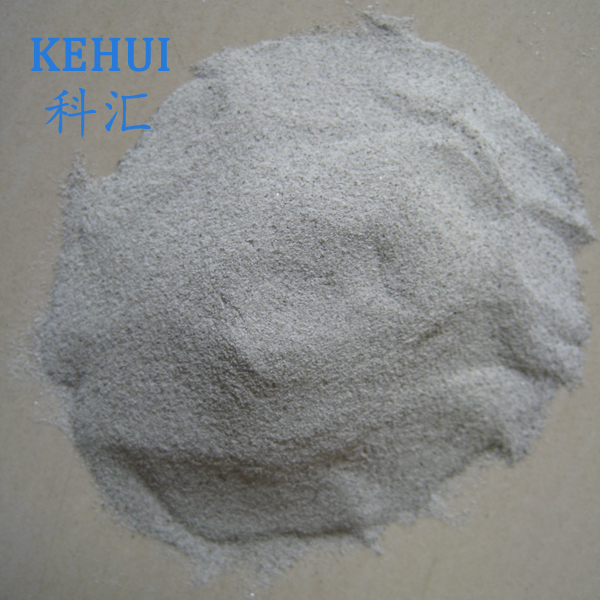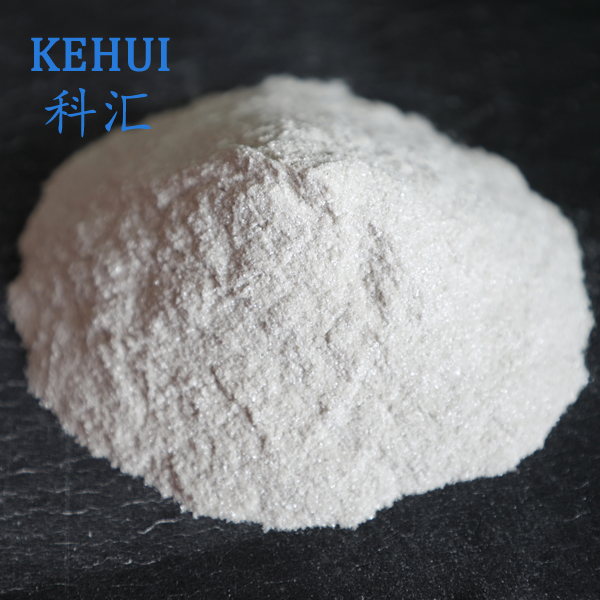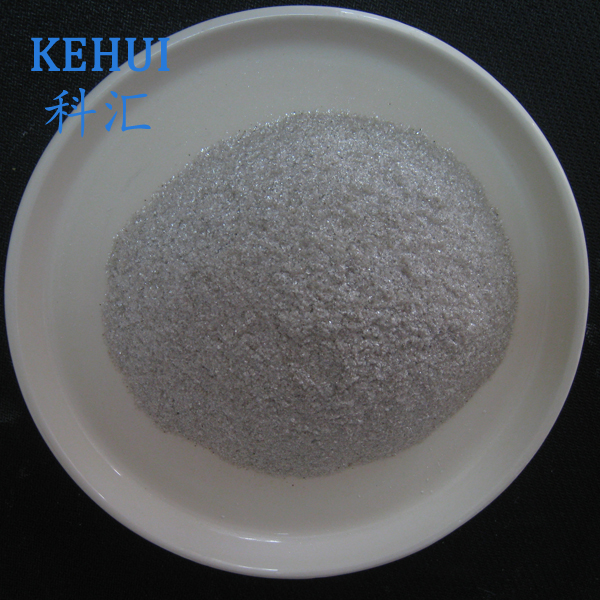
Why 60 Mesh Calcined Mica Still Matters for Modern Welding Electrodes
If you’ve ever tuned an SMAW line to tame spatter and get a steadier arc, you’ve probably had the same realization I did years ago: filler metals get the headlines, but the mineral extenders inside the coating quietly decide the day. Case in point, 60mesh Calcined Mica Powder for Welding Electrode—a deceptively simple ingredient that, in the right spec, can tighten bead shape and lower fume without breaking the budget.
What’s changing in the market
Three trends keep popping up in conversations with electrode plants from India to Eastern Europe: tighter hydrogen control, cleaner arc visuals for E6013/E7018, and traceability. Calcined mica helps on all three. It’s heat-treated, so moisture is lower than in raw ground mica. And because 60 mesh sits in that sweet spot—coarse enough for slip and peel-off, fine enough for uniform film thickness—it blends well with rutile and limestone systems. Many customers say it “just behaves” in the mixer, which, to be honest, is half the battle on Monday mornings.
Quick product snapshot
| Parameter | Typical value (≈ real-world use may vary) |
|---|---|
| Mesh / D50 | 60 mesh; D50 ≈ 180–250 μm (ASTM E11 / ISO 3310) |
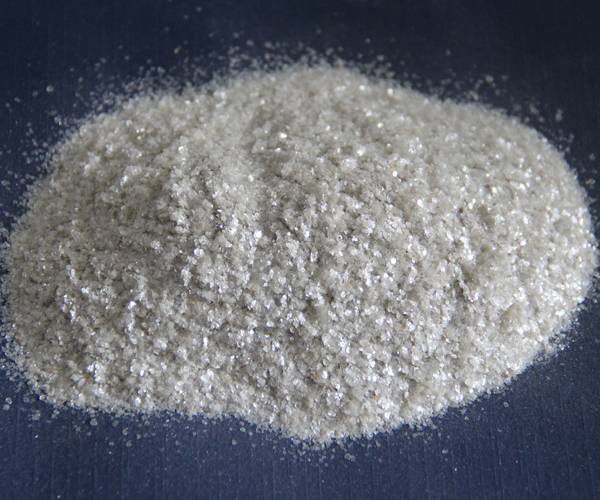
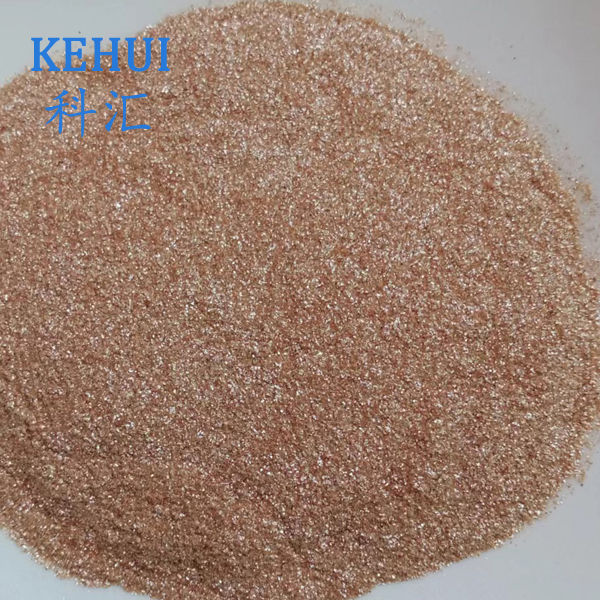
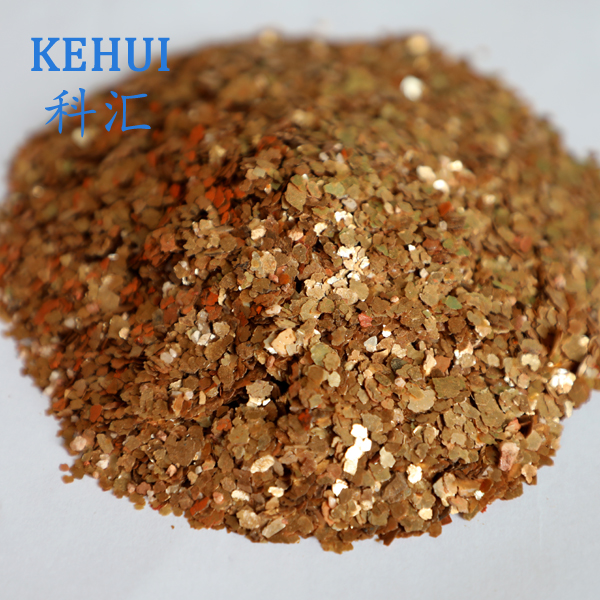
| Mineralogy | Muscovite-based (phlogopite optional), light orange calcined powder |
| Moisture (H2O) | ≤ 0.5% (ASTM D2216) |
| Loss on Ignition | ≈ 2–3% (ASTM D7348) |
| Dielectric performance | High insulation contribution (ASTM D150) |
| Origin | Nanjialiang Village, Lingshou County, Shijiazhuang, Hebei, China |
How it’s made (and why it matters)
Process flow: selected mica ore → calcination at ≈ 800–900°C → crushing → dry milling → sieving (60 mesh) → dedusting → magnetic separation → QC packing. Methods sound ordinary, but the thermal profile is the secret sauce: proper calcination collapses interlayer water, improves electrical insulation, and prevents steam pops during baking. Testing typically includes sieve analysis (ASTM E11/ISO 3310), moisture (ASTM D2216), chloride screening for low-halogen lines, and dielectric checks (ASTM D150).
Service life: in sealed bags and a dry room ≤ 70% RH, shelf life is around 24 months. Once opened, try to use within 7–10 days—or re-dry before critical E7018 batches, just like you would with low-hydrogen ingredients.
Where it’s used
-
- Rutile-coated E6013 for sheet fabrication (smoother slag peel, nicer bead edges).
- Low-hydrogen E7018 blends to stabilize arc and coating rheology.
- Stainless and hardfacing electrodes where consistent release is valued.
- Flux-cored wire as an extender/flow modifier (case-by-case).
Real feedback and a quick case
“Surprisingly clean arc for a 60 mesh,” a Central European plant manager told me; they cut fume by ≈6% just by swapping a non-calcined filler for 60mesh Calcined Mica Powder for Welding Electrode. Another client in Southeast Asia fine-tuned their E6013 formula (0.5–1.2% mica content) and reduced slag inclusions on fillet starts by about 12%—tiny change, big savings in rework.
Compliance and standards touchpoints
Final electrodes must meet AWS A5.1/A5.5 or ISO 2560-A for mechanicals and usability; fillers like mica should be controlled under purchasing specs (AWS A5.01). For material identity and paint- or coating-adjacent use, ISO 3262-series for extenders covers mica classification. Particle sizing and dielectric testing references are shown below.
Vendor snapshot (informal, buyer’s-eye view)
| Vendor | Key notes | Mesh range / Lead time / Compliance |
|---|---|---|
| KeHui (Hebei) | Origin-sourced; stable color; good QC of calcination. | 20/40/60/100 mesh; 10–15 days; supports AWS/ISO documentation. |
| Local Trader A | Fast MOQ, mixed origins; watch consistency batch-to-batch. | 40–100 mesh; 7–12 days; basic COA, limited traceability. |
| Global Brand B | Tight specs, premium pricing; strong audits. | 30–100 mesh; 3–5 weeks; robust QA packs, ISO references. |
Customization and ordering tips
Request sieve curves (not just “60 mesh”), LOI and moisture data, and a small pilot lot to test in your binder system. KeHui can supply 60mesh Calcined Mica Powder for Welding Electrode alongside 20/40/100 mesh for blends, and yes, they’ll sort packaging to your bakehouse workflow—25 kg bags or jumbo sacks. Ask for REACH or RoHS statements if you export, and align with AWS A5.01 purchasing quality levels.
References:
- AWS A5.1/A5.5 and AWS A5.01 Filler Metal Procurement Guidelines
- ISO 2560-A: Covered electrodes for manual metal arc welding of non-alloy and fine grain steels
- ASTM E11: Specification for Woven Wire Test Sieve Cloth and Test Sieves
- ASTM D150: AC loss and permittivity of solid electrical insulating materials
- ASTM D2216: Laboratory determination of water (moisture) content
Latest news
-
Global Analysis and Trends of the Calcined Mica Flakes MarketNewsApr.16,2026
-
Technical Benefits of Calcined Mica for Welding ElectrodesNewsApr.09,2026
-
Superior Calcined Mica for Electrical Insulators Applications and BenefitsNewsApr.07,2026
-
Exploring the Versatility of Calcined Mica for Decoration and Diverse ApplicationsNewsApr.04,2026
-
Exploring Calcined Mica Properties Applications and Sourcing OptionsNewsMar.31,2026
-
Exploring the Versatile Applications of Mica Flakes Powder Across IndustriesNewsMar.28,2026
-
Comprehensive Guide to 100 Mesh Mica Powder Applications and Industrial BenefitsNewsMar.26,2026
Related Products