Hands-On Notes from the Greenhouse: 3–6 mm Perlite That Actually Performs
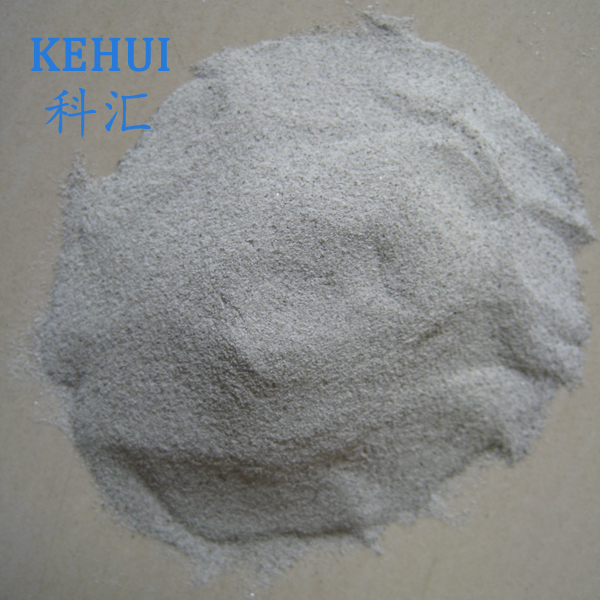
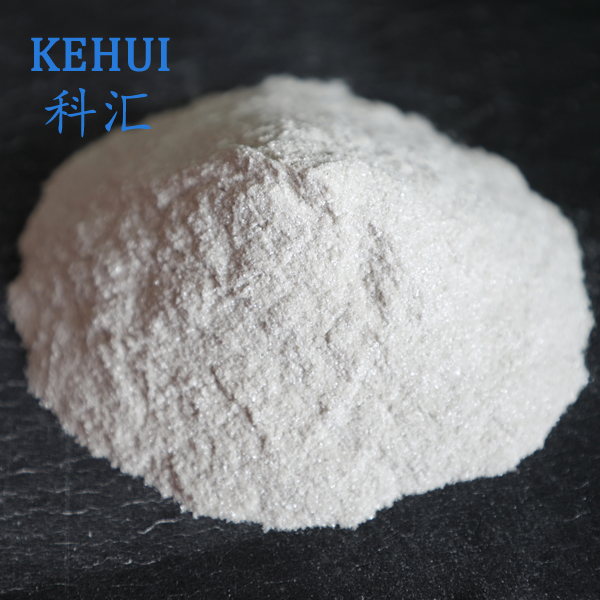
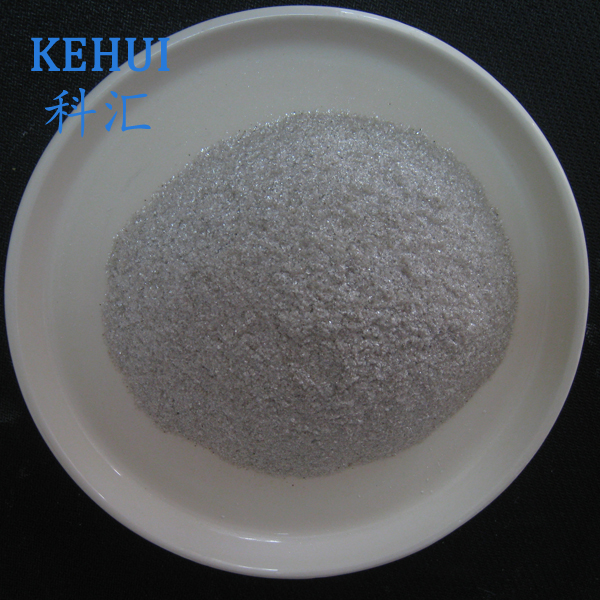
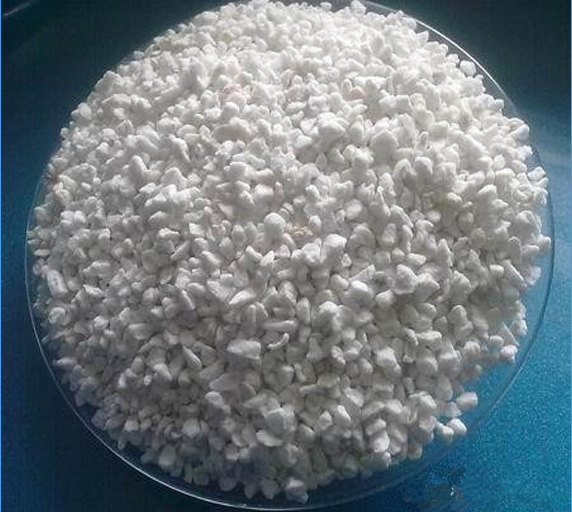
If you’ve repotted seedlings at dawn with coffee in one hand and a trowel in the other (guilty), you already know the quiet magic of perlite. This batch—3-6mm gardening growing media expanded perlite—is the size most growers reach for when they want stable aeration without the “float-away” of finer grades.
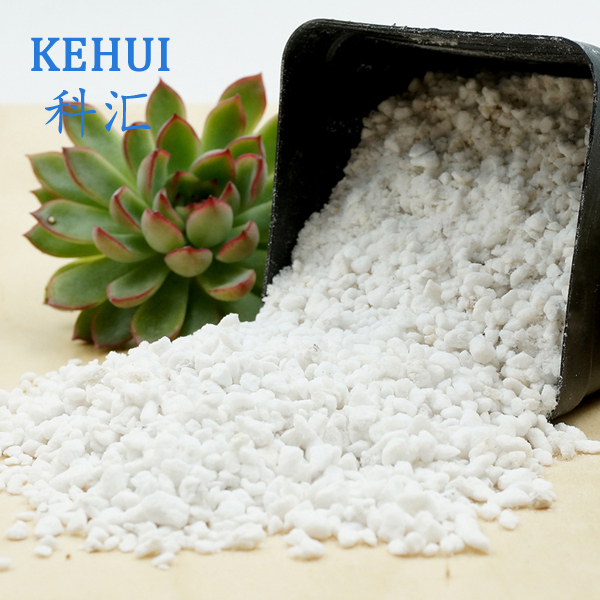
What makes 3–6 mm a sweet spot?
In propagation rooms and long-cycle containers, the 3–6 mm cut keeps media light, drains predictably, and—surprisingly—reduces root rot incidents in overwatered mixes. Many customers say it “breathes” better than standard 2–4 mm, especially in cool seasons. It’s also a friendly carrier for controlled-release fertilizers and beneficial microbes.
Typical applications
- Soilless blends with peat or coco: 20–40% v/v.
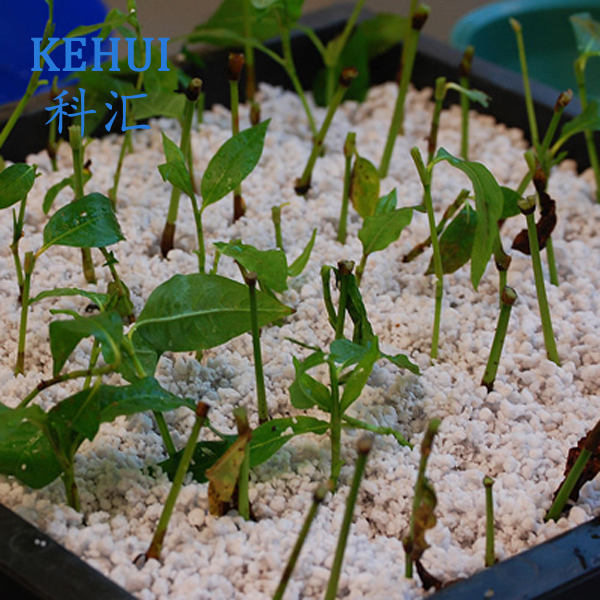
- Rooting cuttings: 50–100% with mist or ebb-flow benches.
- Greenhouse benches and houseplants prone to soggy media.
- Fertilizer carrier for even distribution in nursery mixes.
- Landscaping backfill around sensitive roots for aeration.
| Particle size | 3–6 mm (≥ ≈85% within range) |
| Loose bulk density | ≈ 90 ± 15 kg/m³ (ASTM C520) |
| Water-holding capacity | ≈ 30–40% v/v (EN 13041) |
| Air-filled porosity | ≈ 40–55% v/v (EN 13041) |
| pH (H2O) | ≈ 6.5–7.5 (ISO 10390) |
| EC | |
| Service life in mixes | ≈ 3–5 years; greenhouse cycles 2–3 seasons |
| Origin | Nanjialiang Village, Lingshou County, Shijiazhuang, Hebei, China |
How it’s made (short version)
- Material: selected volcanic glass ore.
- Crushing and pre-sizing: keeps the 3–6 mm target yield efficient.
- Thermal expansion: 850–950°C vertical furnace to “pop” the cells.
- Sizing and dedusting: sieves and air separators; dust minimized.
- QC testing: density (ASTM C520), pH/EC (ISO/EN), moisture, particle distribution.
- Packing: poly bags or big bags; lot-coded for traceability.
Vendor comparison (indicative)
| Vendor | Sieve consistency | Dust | Certs | Customization |
|---|---|---|---|---|
| KeHui (Hebei) | Tight (≈85–90% in 3–6 mm) | Low, washed/air-separated | ISO 9001; EN 13041 tests | Bagging, blends, private label |
| Importer A | Moderate; mixed 2–8 mm | Medium | Batch CoAs | Limited sizes |
| Generic bags | Variable | Higher | Unspecified | None |
Note: data is indicative; always request current certificates and lot data.
Customization & logistics
- Sizes: 1–3, 2–4, 3-6mm gardening growing media expanded perlite, 4–8 mm.
- Pre-wet, pre-mix with coco/peat, or fertilizer-carrier blends on request.
- Packaging: 50 L, 100 L, or 1,000 L big bags; private labeling available.
Field notes and case snippets
- Tomato greenhouse (hydroponic slabs): 30% 3-6mm gardening growing media expanded perlite raised air porosity; root disease down by ≈18% vs control.
- Urban landscaping: tree pits amended 25% perlite improved infiltration without settling after storms.
- Home growers: fewer fungus gnat explosions; media dries evenly but not too fast—nice balance.
Quality & testing
Lots are checked for bulk density (ASTM C520), pH/EC (ISO 10390/EN 13038), and physical properties (EN 13041). Material is inert, kiln-sterilized, and free of weed seeds. To be honest, always run a small bench trial—microclimate quirks matter.
Why it’s a safe bet
- Stable aeration, predictable drainage, lightweight shipping.
- Neutral pH, ultra-low EC; plays nicely with fertigation programs.
- Durable structure; doesn’t collapse like some organics over time.
References
- EN 13041: Soil improvers and growing media—Physical properties determination.
- ASTM C520: Standard Test Methods for Density of Granular Loose Fill Insulations.
- ISO 10390: Soil quality—Determination of pH.
- Perlite Institute—Horticultural Perlite Guidelines and Best Practices.
- FAO: Soilless culture for horticultural crops—technical manual.
Latest news
-
Global Analysis and Trends of the Calcined Mica Flakes MarketNewsApr.16,2026
-
Technical Benefits of Calcined Mica for Welding ElectrodesNewsApr.09,2026
-
Superior Calcined Mica for Electrical Insulators Applications and BenefitsNewsApr.07,2026
-
Exploring the Versatility of Calcined Mica for Decoration and Diverse ApplicationsNewsApr.04,2026
-
Exploring Calcined Mica Properties Applications and Sourcing OptionsNewsMar.31,2026
-
Exploring the Versatile Applications of Mica Flakes Powder Across IndustriesNewsMar.28,2026
-
Synthetic Mica Flakes- Kehui Mica Co.|Heat-Resistant, High WhitenessNewsMar.27,2026
Related Products