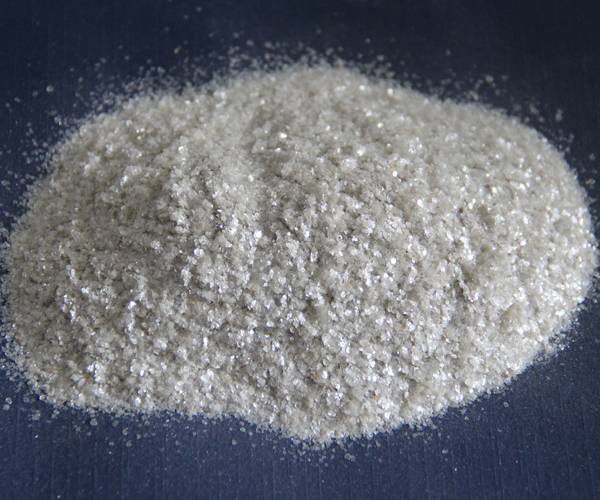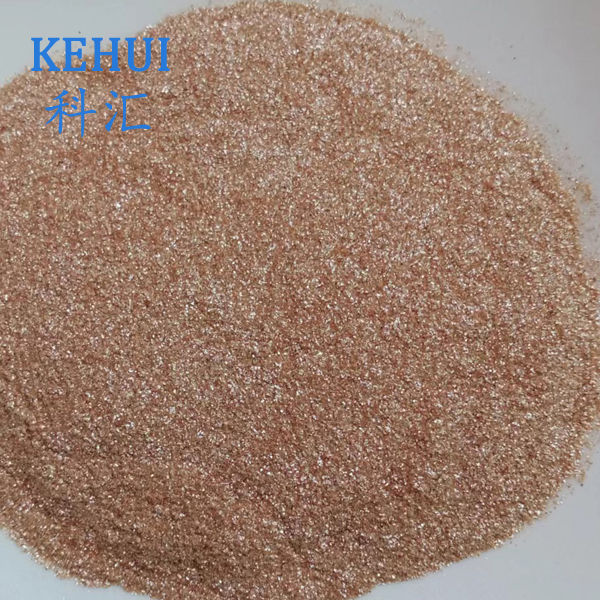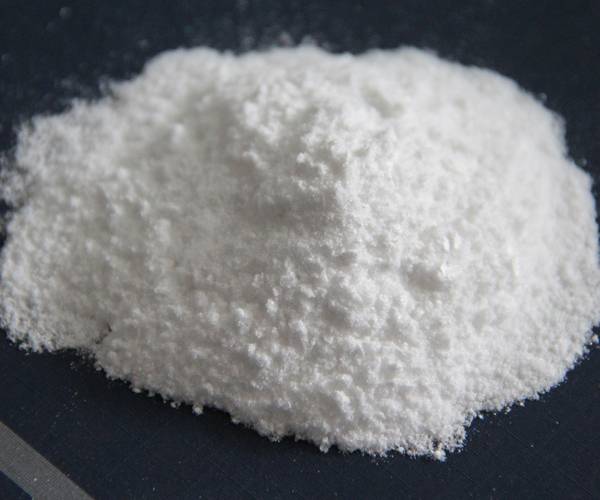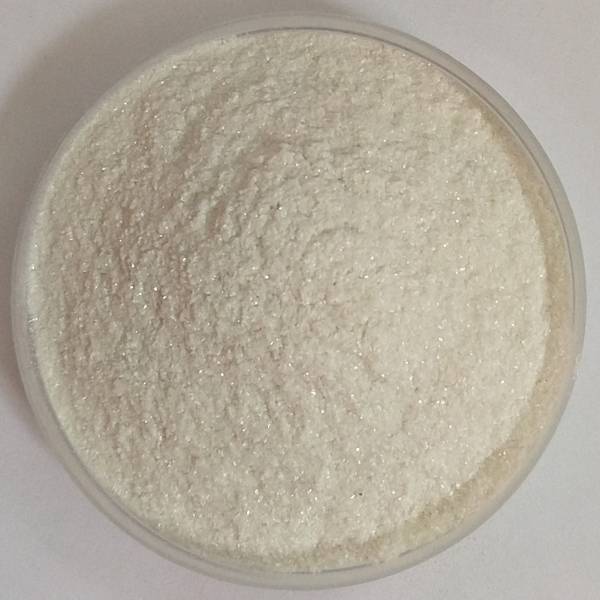
A Field Report on Synthetic Mica Flakes from Hebei’s Mineral Heartland
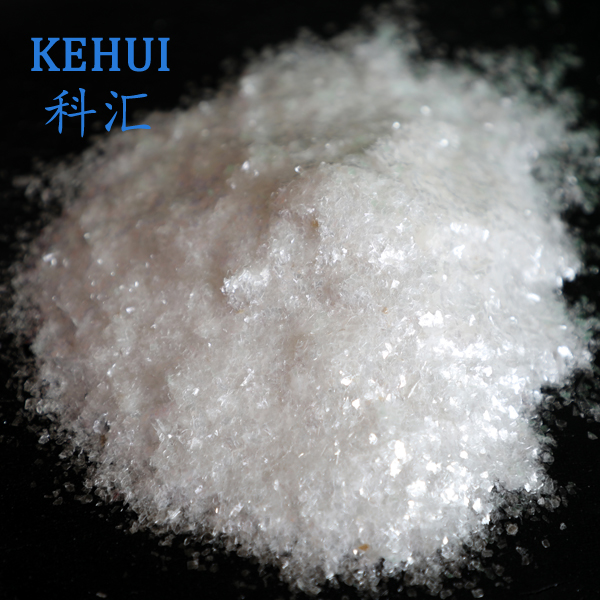
If you’ve ever opened a high-end compact and noticed that soft, pearly glow—there’s a good chance it came from engineered mica. And lately, Synthetic Mica Flakes (plus their fine cousin, Synthetic Mica Powder) have been quietly taking market share from natural mica. Why? Consistency, purity, and honestly, better control in formulation. I’ve toured suppliers from Nanjialiang Village, Lingshou County, Shijiazhuang, Hebei—the production base is skilled, efficient, a bit understated.
What’s Trending (and why it matters)
- Clean-beauty push: Synthetic Mica Flakes avoid the ethical sourcing concerns of some natural mica mines.
- High-whiteness demand: better base for pearl pigments and interference colors in cosmetics and coatings.
- Consistent particle size: fewer batch-to-batch surprises; many customers say QA rework has dropped.
Grades, specs, and real-world behavior
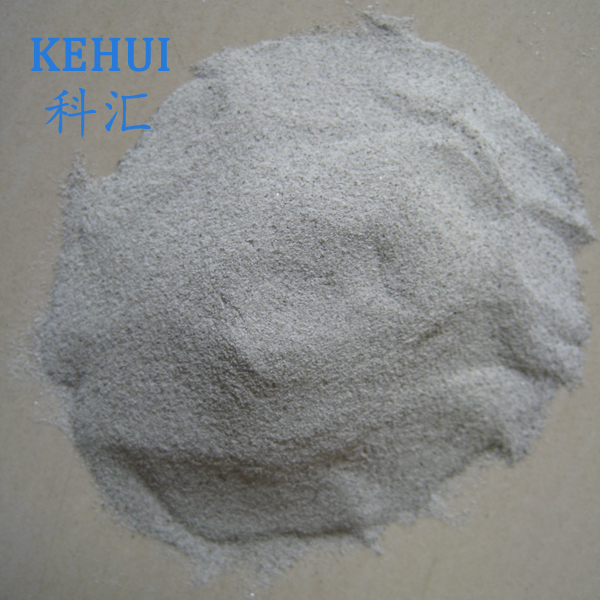
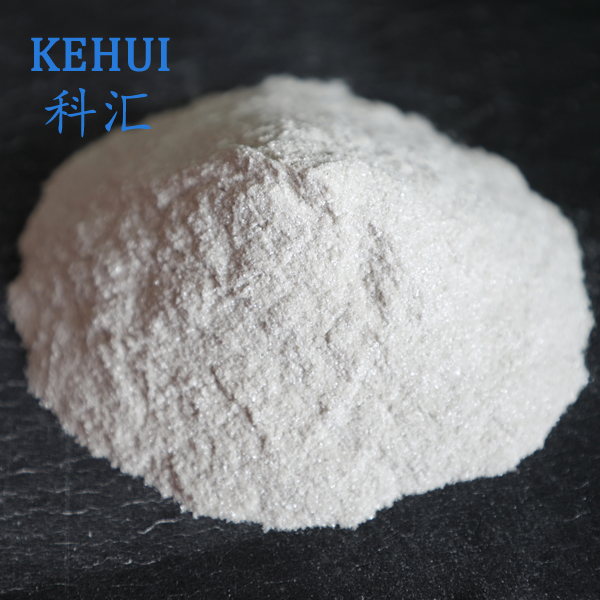
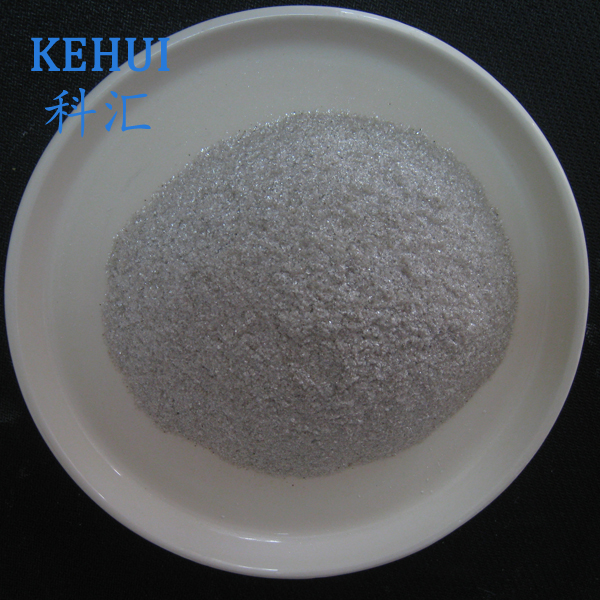
Available sizes: Flake 4/20/40/70 mesh; Powder 200/600/1250/2000 mesh. I’ve seen these run clean in pearl pigment dispersions, with steady slip in plastics. In coatings, they add sparkle without tanking gloss—nice balance.
| Property | 4–70 mesh (Flake) | 200 mesh | 600 mesh | 1250 mesh | 2000 mesh |
|---|---|---|---|---|---|
| Whiteness (L) | ≈95–98 | ≈96–98 | ≈97–98 | ≈97–99 | ≈98–99 |
| Moisture (105°C) | ≤0.5% | ≤0.5% | ≤0.5% | ≤0.5% | ≤0.5% |
| pH (10% slurry) | 7–9 | 7–9 | 7–9 | 7–9 | 7–9 |
| Fe2O3 | ≤0.05% | ≤0.05% | ≤0.05% | ≤0.05% | ≤0.05% |
| Thermal stability | Up to ≈1000°C | Same matrix (fluorophlogopite); real-world use may vary | |||
Test refs: ISO 787 series (pH, moisture, oil absorption), ISO 7724 (color). Data typical, not a spec.
Where it’s used
- Pearl pigments: TiO2/Fe2O3 coated Synthetic Mica Flakes for interference colors.
- Cosmetics: eye, face, nail—smooth feel, low heavy metals; often paired with surface treatments.
- Coatings: automotive refinish, leather, wood; sparkle without muddying tint.
- Plastics: PP, PET masterbatch for decorative films and molded parts.
How it’s made (short version)
Materials: high-purity oxides melted to form fluorophlogopite → controlled crystallization → flaking → grinding and air classification (4–2000 mesh) → optional surface treatment (silane, TiO2, or organics) → QA testing (ISO 787) → packing. Service life in exterior coatings I’ve seen: ≈8–10 years with good resin/UV package.
Vendor snapshot and comparison
Origin matters. The Hebei cluster—Nanjialiang Village, Lingshou County—has the workforce and sieving lines dialed in.
| Vendor | Purity/Fe2O3 | PSD Consistency | Certs | Lead Time | Customization |
|---|---|---|---|---|---|
| KeHui (Hebei) | ≤0.05% | Stable (≈±5%) | ISO 9001/14001, REACH, RoHS | 7–14 days | Size + surface treatment |
| Generic Trader | ≤0.1% (varies) | Mixed (±10–15%) | Basic | 15–30 days | Limited |
| Overseas Brand | ≤0.05% | Tight (≈±3%) | Full + GMP (ISO 22716) | 20–35 days | Broad, premium-priced |
Customization tips
- Pick mesh by effect: 4–40 mesh for bold sparkle; 600–2000 mesh for silky shimmer.
- Surface treatment: TiO2 for high chroma pearls; silane for plastics adhesion; hydrophobic for pressed powders.
- Compliance: request COA, heavy-metal, and allergen panels; cosmetics often require ISO 22716 traceability.
Real-world notes and testing
In one indie eye-shadow line, switching to Synthetic Mica Flakes cut batch rejects from 4.2% to 1.1% (mainly due to tighter particle size). A coil-coatings user reported ≈12 GU gloss retention bump per ASTM D523 after reformulating with fine grades—surprising, but repeatable in their lab. Always verify with ISO 787 methods and check REACH/RoHS for global shipments.
Bottom line
If you need high-whiteness substrate for pearl pigments, color cosmetics, coatings, or plastics, Synthetic Mica Flakes from the Hebei producers are a pragmatic, scalable choice—ethical sourcing plus predictable performance. To be honest, the value-to-consistency ratio is hard to beat.
References
- ISO 787 series: General methods of test for pigments – https://www.iso.org/standard/13427.html
- ISO 22716: Cosmetics – GMP Guidelines – https://www.iso.org/standard/36437.html
- ECHA REACH guidance – https://echa.europa.eu/regulations/reach/understanding-reach
- ASTM D523: Specular Gloss – https://www.astm.org/d0523-14.html
Latest news
-
Technical Benefits of Calcined Mica for Welding ElectrodesNewsApr.09,2026
-
Superior Calcined Mica for Electrical Insulators Applications and BenefitsNewsApr.07,2026
-
Exploring the Versatility of Calcined Mica for Decoration and Diverse ApplicationsNewsApr.04,2026
-
Exploring Calcined Mica Properties Applications and Sourcing OptionsNewsMar.31,2026
-
Exploring the Versatile Applications of Mica Flakes Powder Across IndustriesNewsMar.28,2026
-
Synthetic Mica Flakes- Kehui Mica Co.|Heat-Resistant, High WhitenessNewsMar.27,2026
-
Synthetic Mica Flakes- Kehui Mica Co.|Heat-Resistant, High WhitenessNewsMar.27,2026
Related Products