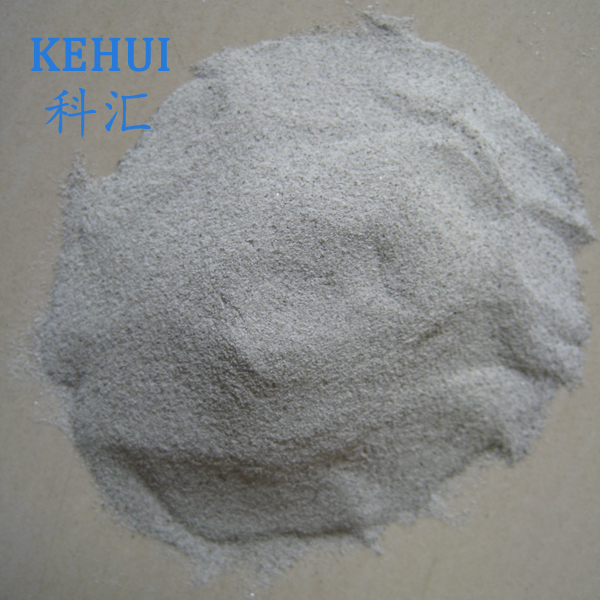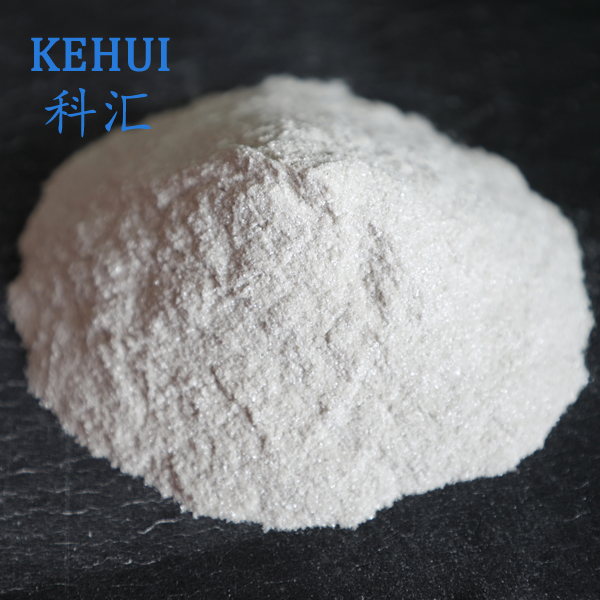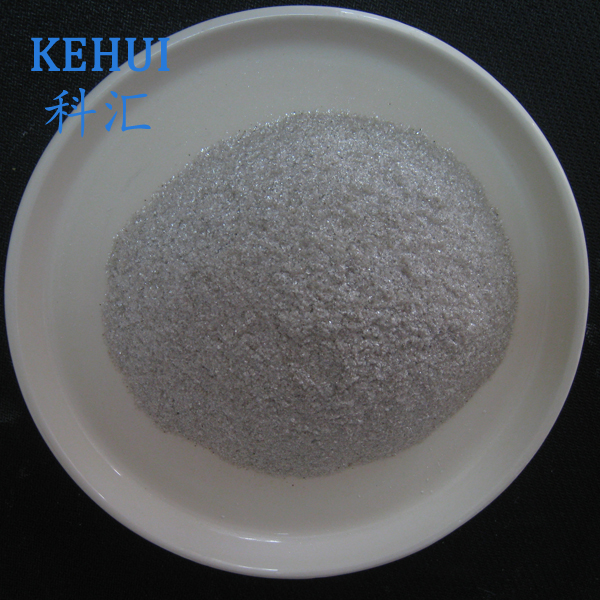
High Insulating Cenosphere Microballoons: Field Notes, Real Specs, and Where They Actually Shine
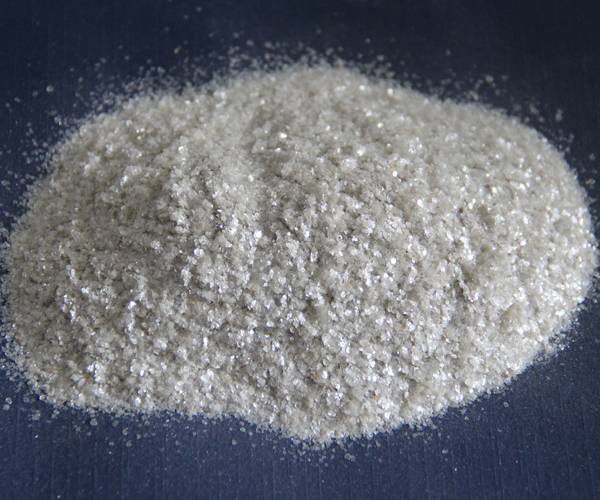
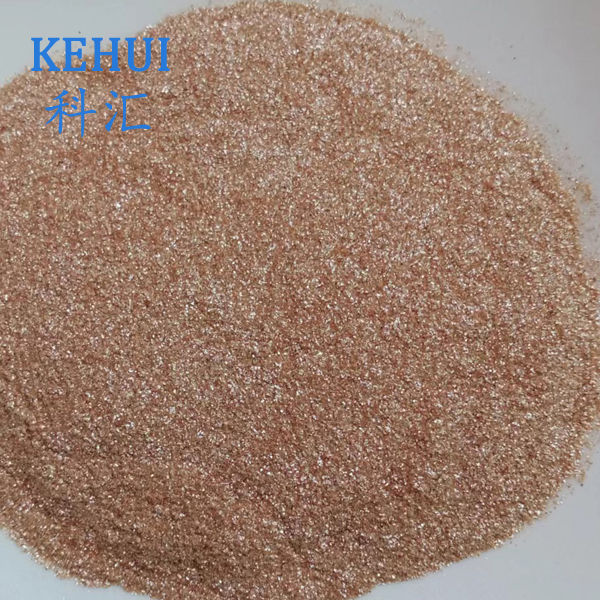
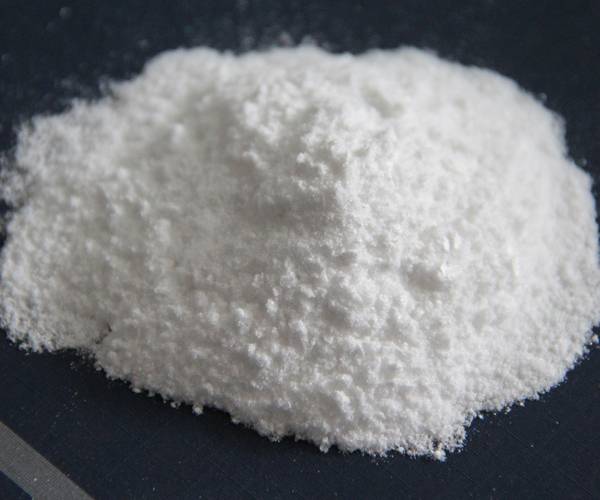
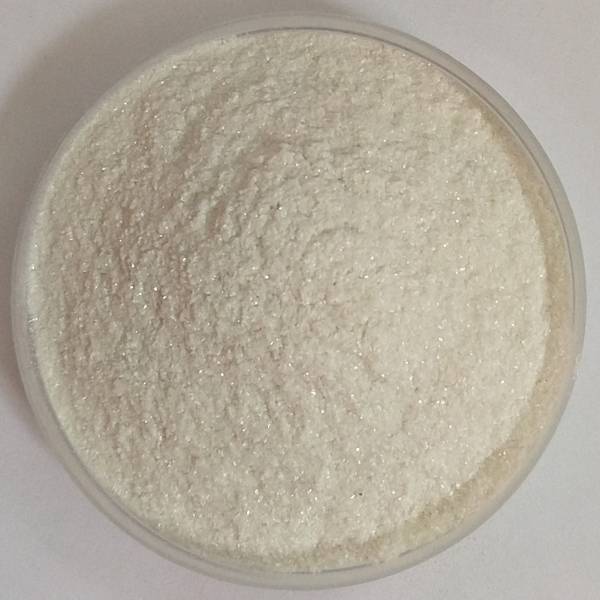
If you work with lightweight composites or thermal coatings, you’ve probably heard the buzz around High Insulating Cenosphere Microballoons. I’ve been watching this category evolve from “niche filler” to “quiet performance hero” in everything from epoxy potting to fire-resistant panels. The latest batches coming out of Nanjialiang Village, Lingshou County, Shijiazhuang, Hebei, China look particularly dialed-in—more consistent sieving, tighter density windows, and, frankly, better QC than a few years ago.
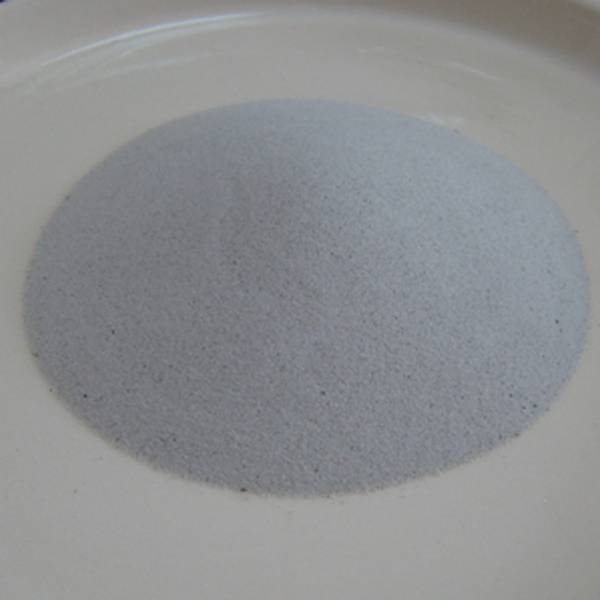
What’s trending (and why it matters)
Three things: (1) weight reduction without sacrificing thermal stability, (2) better dielectric profiles for electronics potting, and (3) clean, reproducible particle sizing. Many customers say the switch to High Insulating Cenosphere Microballoons pays for itself when shipping costs and cure shrinkage are factored in. And yes, they’re ceramic, hollow, and naturally inert—so thermal spikes don’t scare them.
Product snapshot (real-world ranges)
| Name | High Insulating Cenosphere Microballoons, Ceramic Microspheres |
| Origin | Nanjialiang Village, Lingshou County, Shijiazhuang, Hebei, China |
| Bulk density | ≈0.35–0.45 g/cc (real-world use may vary by blend) |
| Particle sizes | 100–850 μm typical; graded cuts: 150 μm, 300 μm, 500 μm, 850 μm (ASTM E11) |
| Dielectric constant (1 MHz) | ≈1.7–2.1 (ASTM D150) |
| Thermal conductivity | ≈0.08–0.12 W/m·K (ASTM C177) |
| Service temperature | Up to ~1100°C, short excursions higher depending on matrix |
| Moisture/LOI | Low; typically |
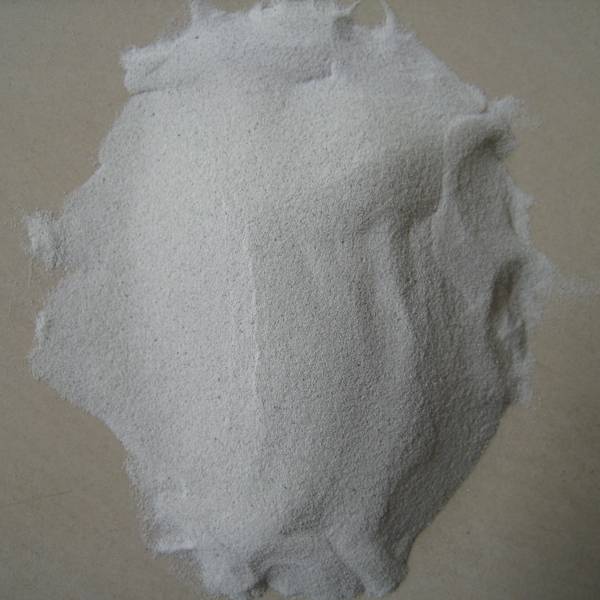
Where they’re used
- Thermal insulation coatings for tanks, process piping, and ship decks.
- Syntactic foams for buoyancy modules and lightweight cores.
- Epoxy/PU potting and encapsulation for electronics needing low k.
- Fire-resistant boards, refractory patches, and lightweight mortars.
- Oil & gas well cement lightening (API RP 10B-2 practices).
Process flow (how these microspheres are made reliable)
Source fly-ash → density separation (floaters) → magnetic separation → multi-stage washing → thermal drying → precision sieving (ASTM E11) → optional surface treatment (e.g., silane) → packaging. QC includes bulk density (ISO 5017-style), moisture, sieve profile, dielectric check (ASTM D150), and thermal conductivity by guarded hot plate (ASTM C177). Service life? In coatings and cured resins, I typically see 10–20 years, depending on UV, binders, and cycling.
Vendor landscape (quick, honest comparison)
| Vendor | Bulk Density | Size Options | Dielectric k | Certs | Notes |
|---|---|---|---|---|---|
| Kehuimica (Hebei) | ≈0.35–0.45 g/cc | 100–850 μm graded | 1.7–2.1 | ISO 9001; RoHS/REACH | Clean sieving, stable supply |
| Vendor A (Asia) | ≈0.40–0.55 g/cc | Mixed cuts | ~2.0 | ISO 9001 | Occasional moisture spikes |
| Vendor B (EU) | ≈0.35–0.50 g/cc | Custom sieves | 1.8–2.2 | ISO 9001; REACH | Strong documentation |
Customization and add-ons
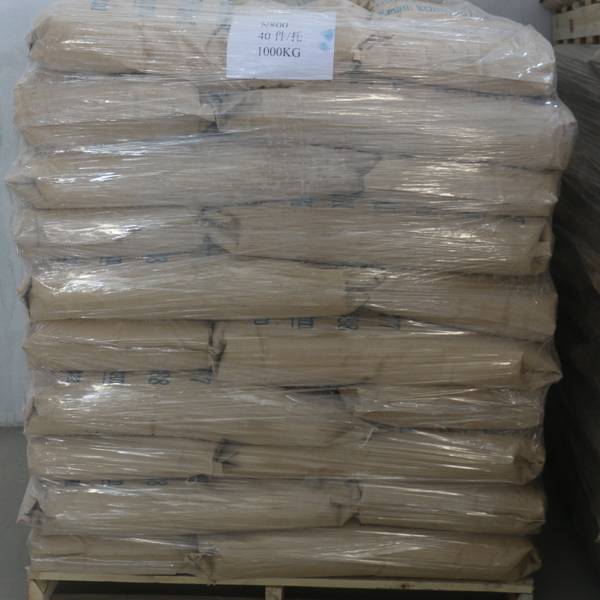
Kehuimica offers tailored cuts (150/300/500/850 μm), tighter bulk density bands, and optional silane treatment for better wet-out in epoxy/PU. Packaging is usually 10–20 kg bags or super sacks. It seems lead times are predictable, which, to be honest, is half the battle.
Field results (two quick cases)
- Marine syntactic foam: 35% vol. High Insulating Cenosphere Microballoons in epoxy cut density from 1.10 to 0.78 g/cc; compressive strength held at ~28 MPa; thermal conductivity dropped ≈18% (ASTM C177 lab).
- Thermal coating for tanks: 20% wt. loading reduced heat flux by ~22% at 120°C surface temp; dielectric k remained
Buying tips
Match particle size to nozzle and flow. Dry spheres before high-solids mixing. For oilwell slurries, validate slurry density and compressive strength under API RP 10B-2 conditions. And always request a recent COA—look for sieve curve, moisture, and dielectric data.
Citations:
1) ASTM C177 – Standard Test Method for Steady-State Heat Flux Measurements
2) ASTM E11 – Standard Specification for Woven Wire Test Sieve Cloth
3) ASTM D150 – AC Loss Characteristics and Permittivity
4) ISO 5017 – Refractory products — Determination of bulk density and apparent porosity
5) ISO 9001:2015 – Quality management systems
6) API RP 10B-2 – Testing Well Cements
Latest news
-
Global Analysis and Trends of the Calcined Mica Flakes MarketNewsApr.16,2026
-
Technical Benefits of Calcined Mica for Welding ElectrodesNewsApr.09,2026
-
Superior Calcined Mica for Electrical Insulators Applications and BenefitsNewsApr.07,2026
-
Exploring the Versatility of Calcined Mica for Decoration and Diverse ApplicationsNewsApr.04,2026
-
Exploring Calcined Mica Properties Applications and Sourcing OptionsNewsMar.31,2026
-
Exploring the Versatile Applications of Mica Flakes Powder Across IndustriesNewsMar.28,2026
-
Comprehensive Guide to 100 Mesh Mica Powder Applications and Industrial BenefitsNewsMar.26,2026
Related Products