Mar . 14, 2026 02:35
Back to list
Comprehensive Guide to Mica Powder 40 Mesh Applications and Benefits
Understanding Mica Powder 40 Mesh: Applications & Benefits
Mica powder, particularly the 40 mesh grade, is a versatile mineral widely used across numerous industries. Its unique properties – including chemical inertness, dielectric strength, and reflective qualities – make it an invaluable ingredient in paints, coatings, plastics, cosmetics, and more. This article will delve into the characteristics of mica powder 40 mesh, exploring its applications, benefits, and considerations for sourcing high-quality material. Understanding the nuances of this powder is crucial for achieving optimal results in your specific application. Kehui Mica provides consistent quality and a reliable supply.
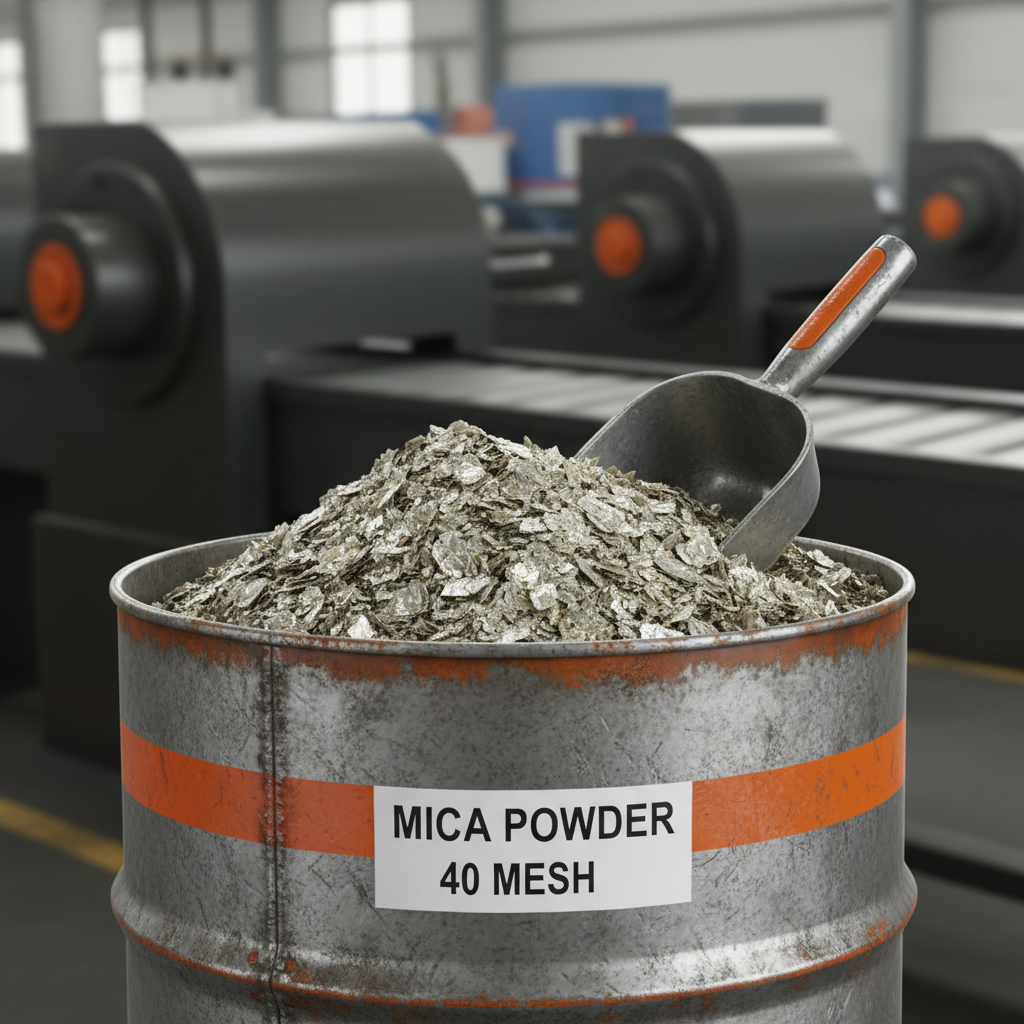
What is Mica Powder 40 Mesh?
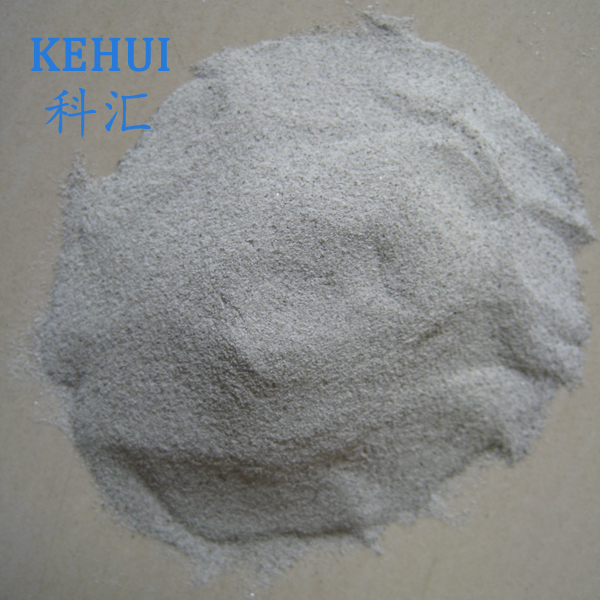
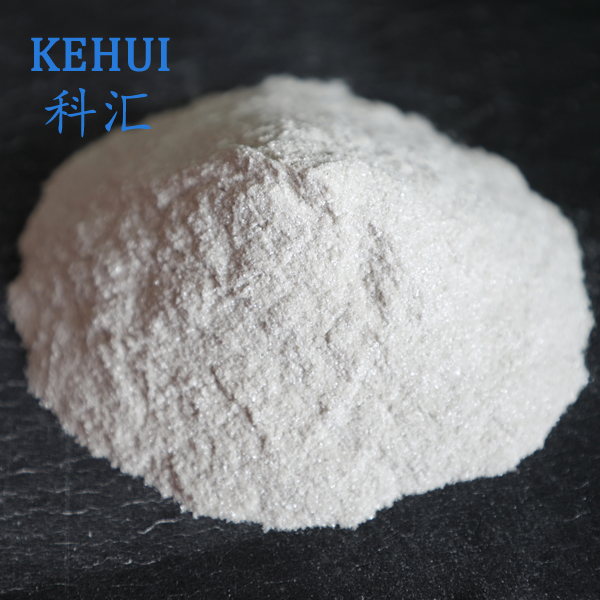
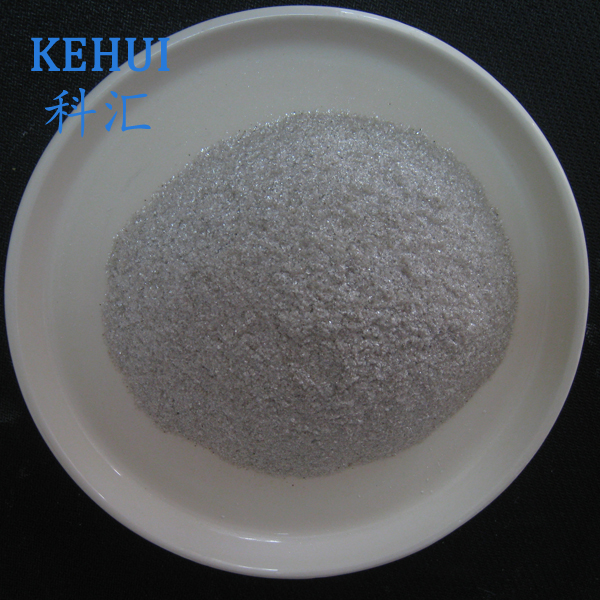
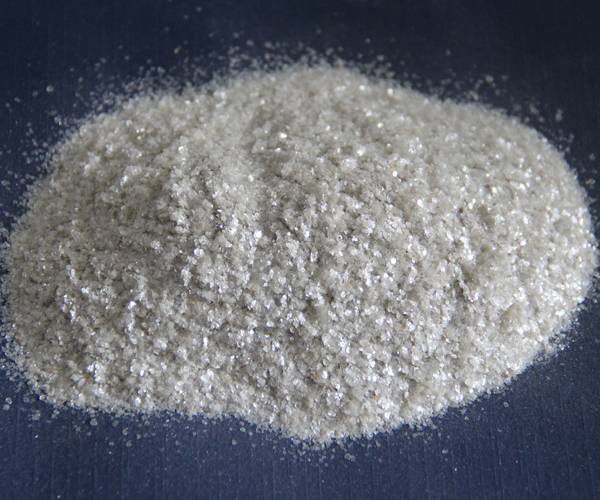
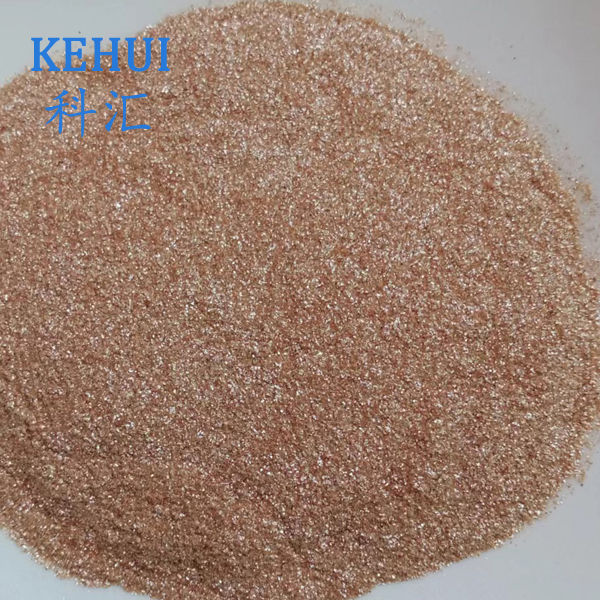
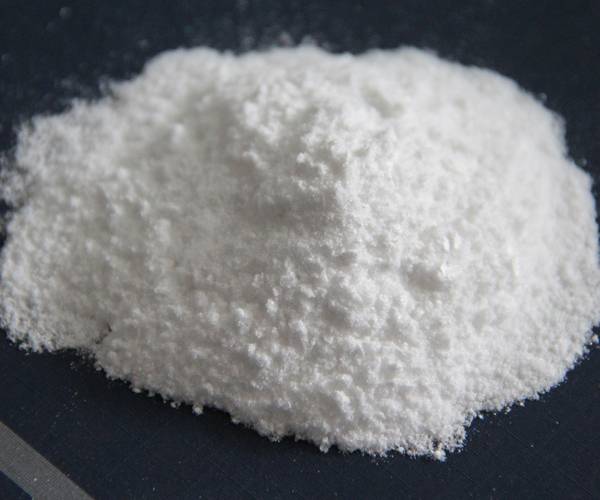
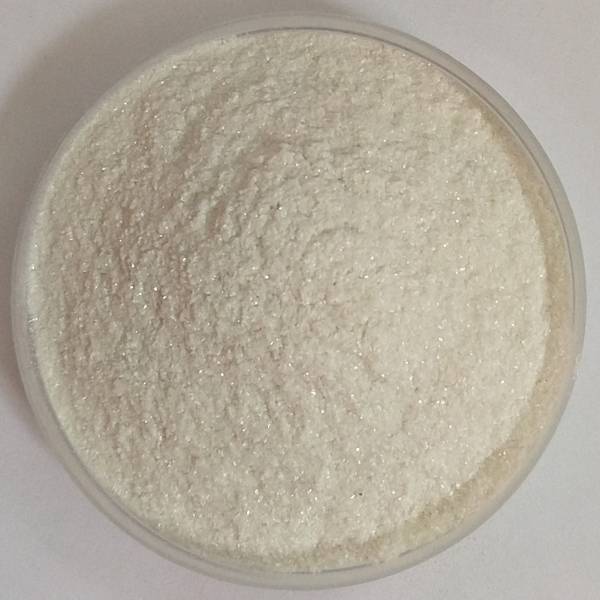
Mica is a naturally occurring group of silicate minerals. The "40 mesh" refers to the particle size—specifically, the powder passes through a 40-mesh sieve but is retained on a finer sieve. This means the particles are relatively coarse, offering unique advantages in certain applications. This particle size provides excellent coverage and a distinct sparkle or shimmer when used in coatings or cosmetic formulations. It’s commonly produced from muscovite or phlogopite mica, with varying color tones depending on the source material. Kehui Mica’s 40 mesh mica powder offers consistent particle size distribution for reliable results.
Key Characteristics: Consistent particle size, excellent coverage, reflective properties, chemical inertness, and thermal stability.
Applications of Mica Powder 40 Mesh
The versatility of mica powder 40 mesh stems from its unique properties. In the paint and coatings industry, it enhances durability, corrosion resistance, and weatherability. In plastics, it acts as a reinforcing agent and improves dimensional stability. The cosmetic industry utilizes it for its shimmering effect in eyeshadows, lipsticks, and other products. Other applications include: roofing materials, automotive coatings, rubber products, and even well drilling fluids. The wide range of uses underscores its importance as an industrial mineral.
Common Applications:
• Paints & Coatings: Enhances durability and weather resistance.
• Plastics: Improves strength and dimensional stability.
• Cosmetics: Provides shimmer and pearlescent effects.
• Roofing: Increases resistance to UV degradation.
Mica Powder 40 Mesh vs. Finer Grades: A Comparison
While finer grades of mica powder offer greater transparency and smoother textures, 40 mesh provides distinct advantages for applications requiring bulk, coverage, and a noticeable visual effect. Finer powders are preferred for creating silky-smooth cosmetic formulations, while 40 mesh is better suited for providing texture and opacity in paints and coatings. The choice depends entirely on the desired outcome.
Sourcing High-Quality Mica Powder 40 Mesh
The quality of mica powder significantly impacts the final product. Look for suppliers who guarantee consistent particle size, purity, and color. Reputable suppliers like Kehui Mica provide detailed product specifications and quality control documentation. Consider factors such as the origin of the mica, processing methods, and packaging to ensure you receive a product that meets your exacting standards.
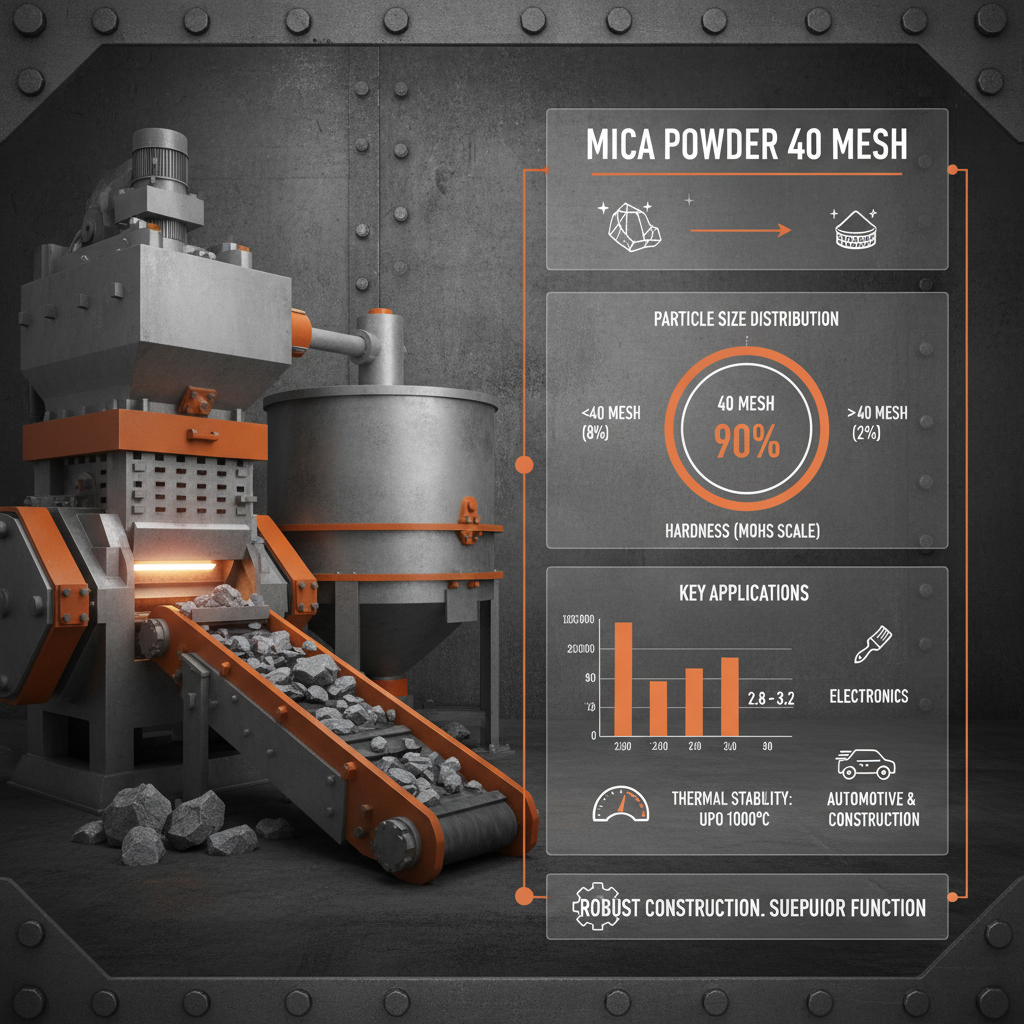
Product Specifications
Understanding the specific properties of the mica powder you're considering is key. Here's a typical specification sheet for Kehui Mica’s 40 mesh product:
Conclusion: Choosing the Right Mica for Your Needs
Selecting the appropriate mica powder – especially considering the mesh size – is crucial for achieving optimal performance in your applications. Kehui Mica offers a consistent, high-quality 40 mesh mica powder suitable for a wide range of industrial and cosmetic uses. By understanding the unique properties and benefits of this versatile mineral, you can unlock its full potential and enhance your product formulations.
Frequently Asked Questions (FAQs)
What are the safety considerations when handling mica powder?
While mica is generally considered non-toxic, it's important to avoid inhaling the dust. Prolonged exposure can cause respiratory irritation. Always wear a dust mask or respirator when handling large quantities of mica powder, especially during mixing or processing. Ensure adequate ventilation in the work area. Avoid contact with eyes and skin; wear appropriate safety glasses and gloves. Consult the Safety Data Sheet (SDS) for detailed safety information.
How is mica powder 40 mesh used in cosmetics?
In cosmetics, 40 mesh mica powder is used to add shimmer and pearlescent effects to products like eyeshadows, lipsticks, blush, and foundations. Its larger particle size provides a more noticeable sparkle compared to finer grades. It also contributes to the texture and blendability of the formulation. Mica is often coated with other pigments to create a wider range of colors and effects.
Can mica powder be used outdoors?
Yes, mica powder is commonly used in outdoor applications, particularly in paints and coatings for buildings and roofing materials. It enhances weather resistance, UV protection, and durability. Its chemical inertness ensures it won't degrade or react with environmental elements. However, the specific performance will depend on the formulation and the type of binder used.
Prev:
Latest news
-
Technical Benefits of Calcined Mica for Welding ElectrodesNewsApr.09,2026
-
Superior Calcined Mica for Electrical Insulators Applications and BenefitsNewsApr.07,2026
-
Exploring the Versatility of Calcined Mica for Decoration and Diverse ApplicationsNewsApr.04,2026
-
Exploring Calcined Mica Properties Applications and Sourcing OptionsNewsMar.31,2026
-
Exploring the Versatile Applications of Mica Flakes Powder Across IndustriesNewsMar.28,2026
-
Synthetic Mica Flakes- Kehui Mica Co.|Heat-Resistant, High WhitenessNewsMar.27,2026
-
Synthetic Mica Flakes- Kehui Mica Co.|Heat-Resistant, High WhitenessNewsMar.27,2026
Related Products