Notizia
-
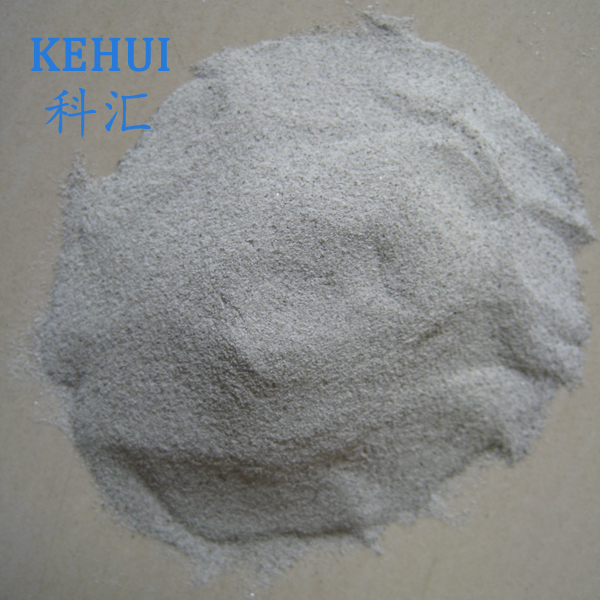
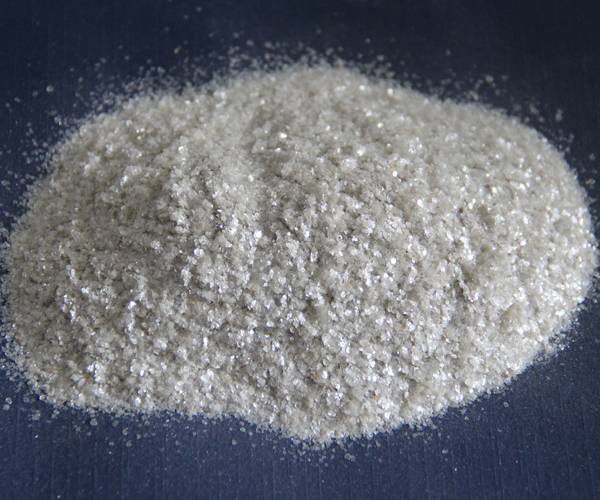
 The industrial demand for high-performance insulating materials has led to a significant surge in the calcined mica flakes market. Calcined mica, produced through the thermal treatment of natural mica, offers superior thermal stability, dielectric strength, and chemical resistance compared to its raw counterpart. As modern electronics and automotive industries push for smaller, more heat-resistant components, the strategic importance of processed mica has never been higher. In this comprehensive guide, we will explore the market dynamics, technical specifications, and the diverse industrial applications that drive the growth of this essential mineral product.Per saperne di più
 -
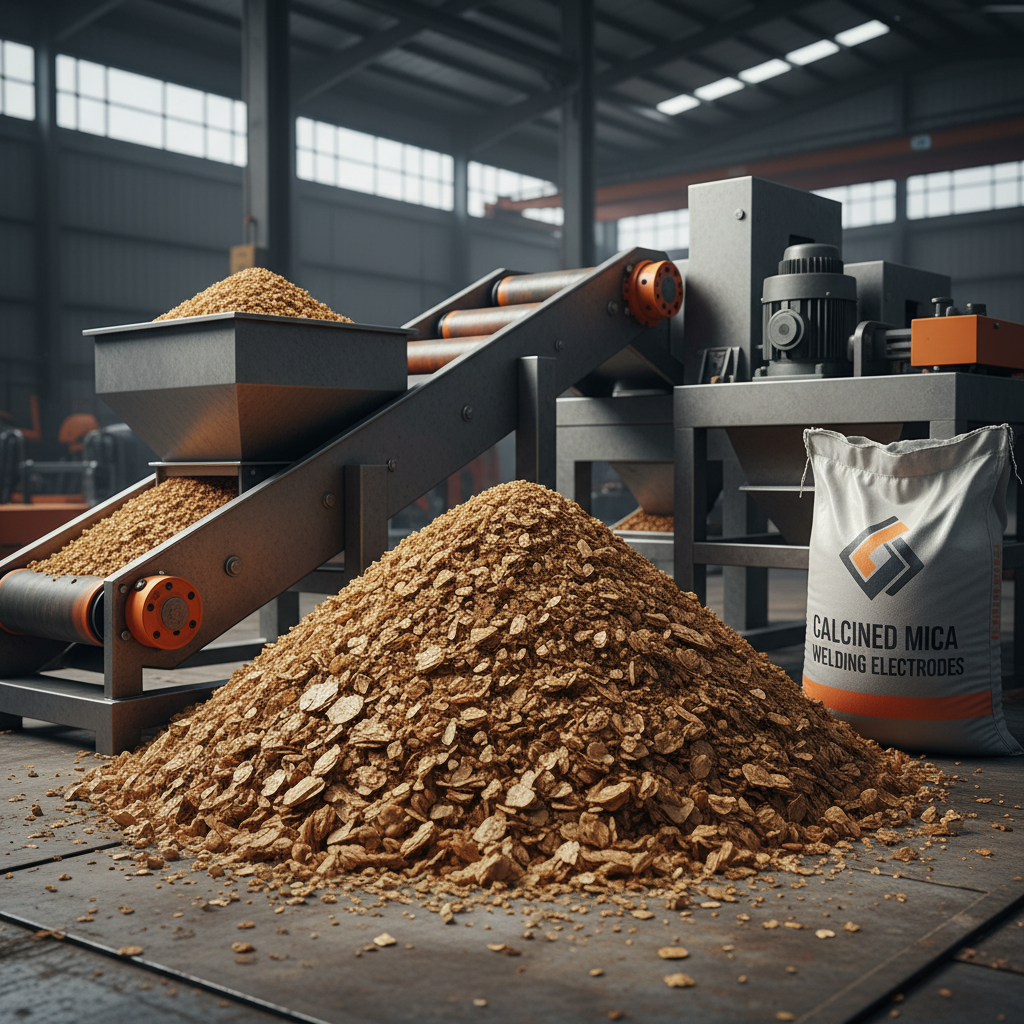 In the demanding world of industrial welding, the stability and quality of the arc depend heavily on the materials used in the electrode coating. Calcined mica for welding electrodes serves as a critical additive, providing the necessary thermal insulation and chemical stability required for high-performance welds. By undergoing a calcination process, mica is transformed into a chemically inert powder that enhances the slag-forming capabilities of the electrode. This ensures a smoother weld bead and protects the molten metal from atmospheric contamination. Understanding the technical nuances of this material is key for manufacturers aiming to produce professional-grade welding consumables.Per saperne di più
 -
 In the realm of electrical engineering and manufacturing, reliable insulation is paramount. Calcined mica stands out as a superior material for electrical insulators, offering exceptional performance in high-temperature, high-voltage applications. This article delves into the properties, applications, and benefits of using calcined mica in electrical insulation, providing a detailed understanding for engineers, procurement specialists, and manufacturers.Per saperne di più
 -
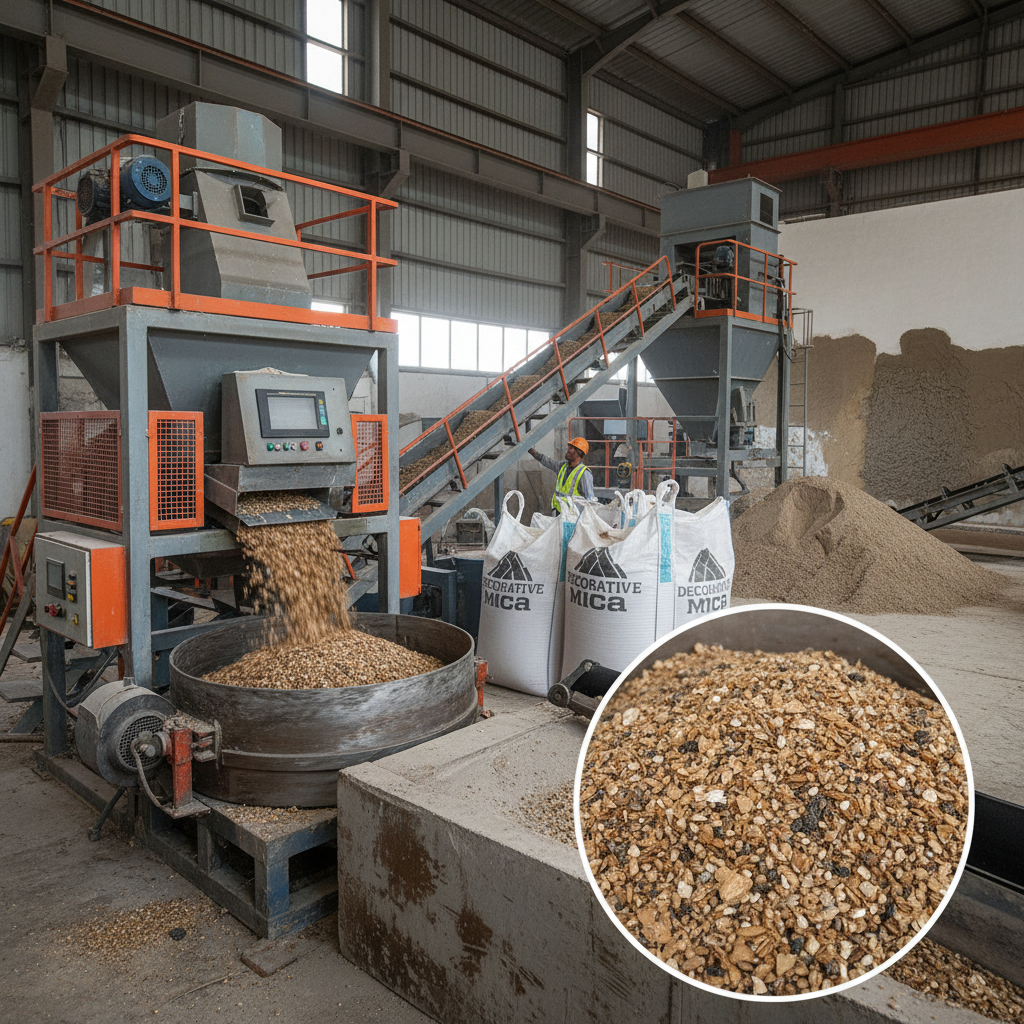 Calcined mica is a versatile material increasingly popular in a wide range of decorative applications. Its unique properties – including shimmering appearance, heat resistance, and electrical insulation – make it a superb choice for everything from paints and coatings to plastics and cosmetics. This article will delve into the characteristics, applications, benefits, and considerations for using calcined mica in your decorative projects. Understanding its potential can unlock innovative and visually appealing design solutions.Per saperne di più
 -
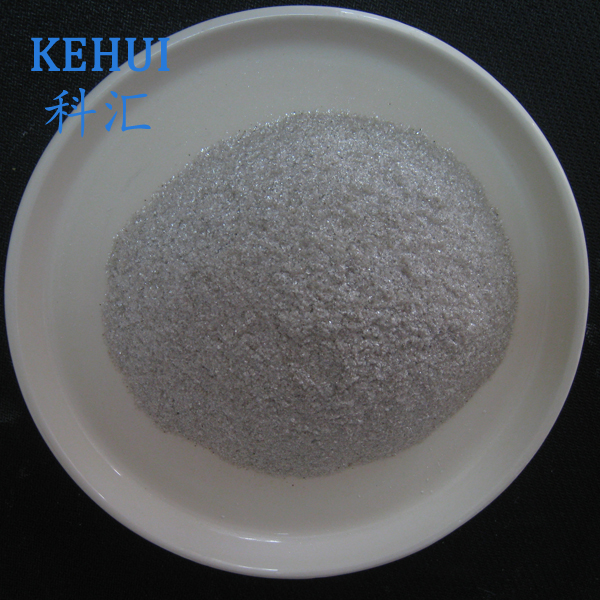
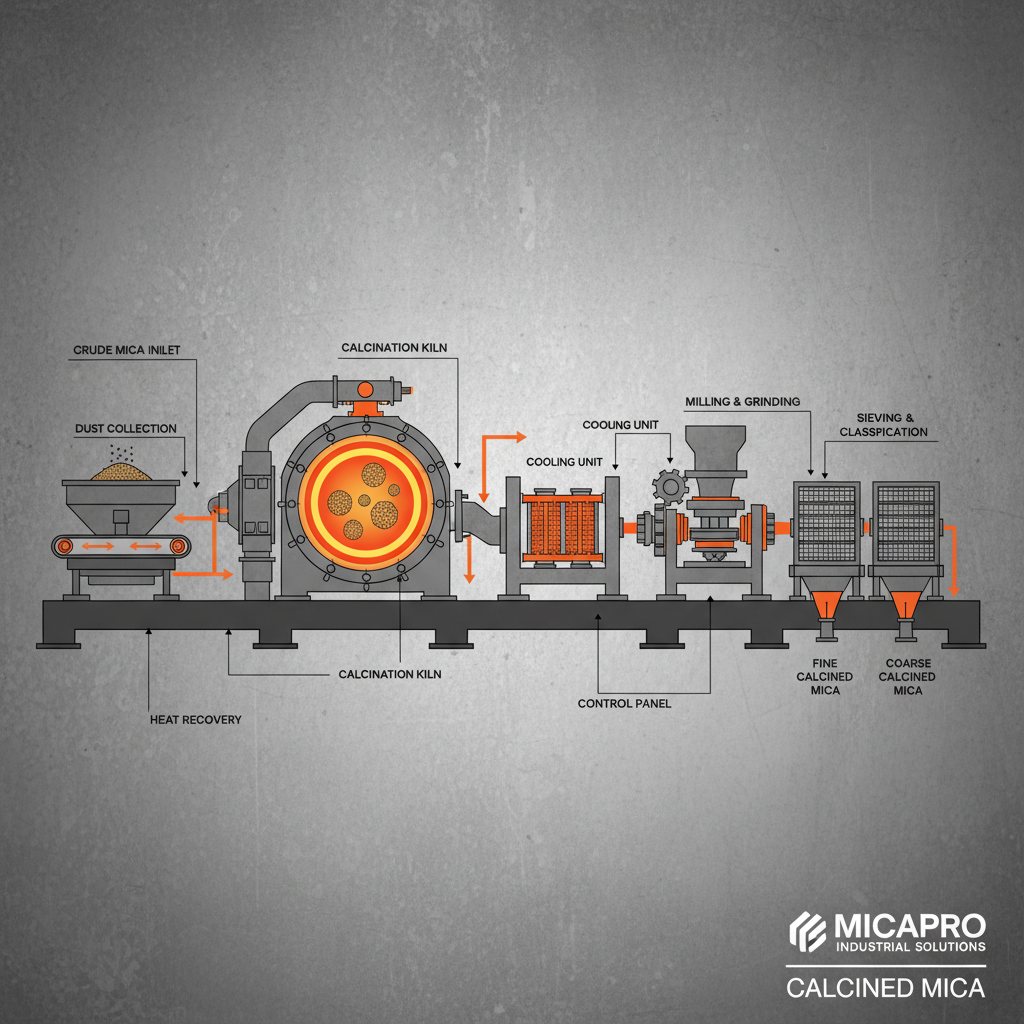 Calcined mica is a versatile industrial mineral with a wide range of applications, stemming from its unique properties. Created through a controlled heating process, it offers enhanced characteristics compared to raw mica. This article delves into the production, key features, diverse applications, and sourcing of calcined mica. Understanding its benefits allows for informed decision-making when selecting materials for various industries.Per saperne di più
 -
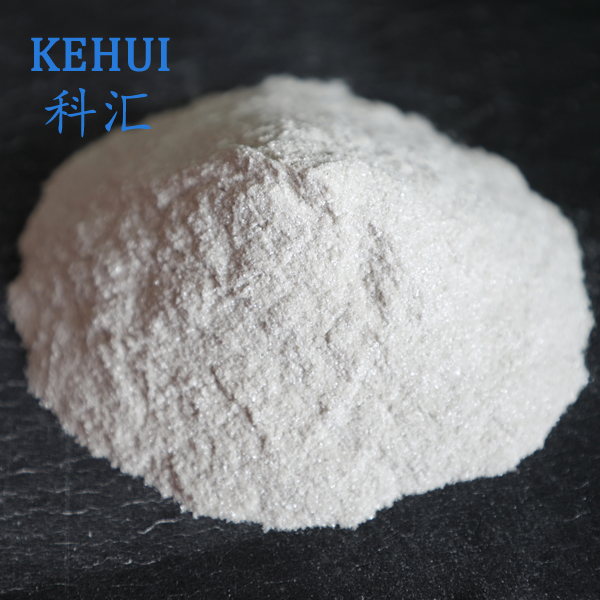
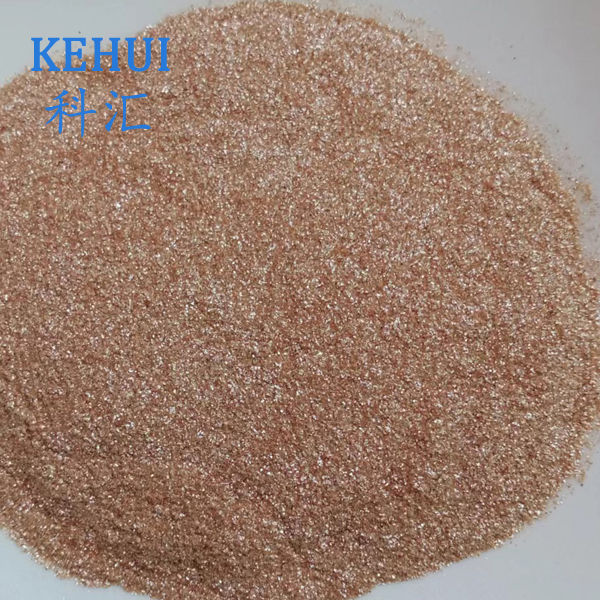
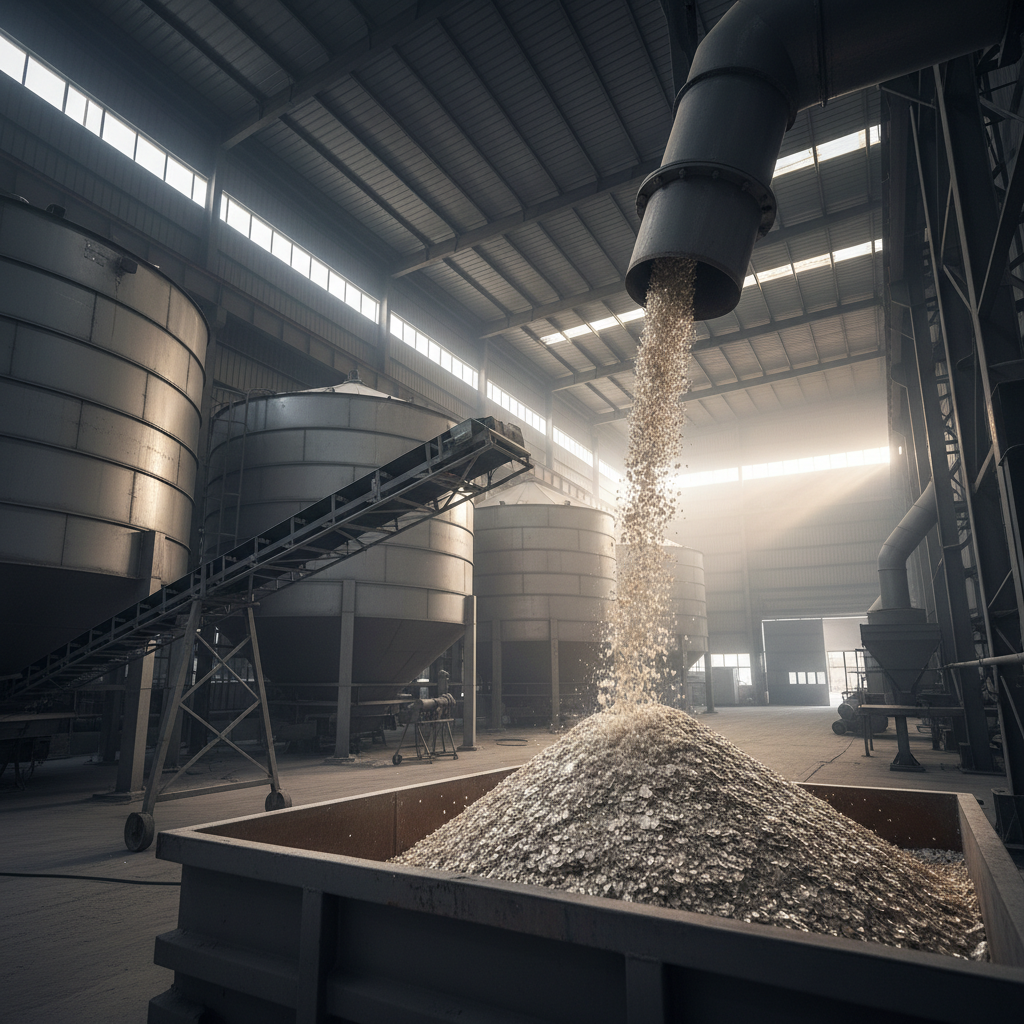 Mica flakes powder is a versatile material with a wide range of applications across industries. From paints and coatings to plastics and cosmetics, its unique properties enhance product performance and aesthetics. This article provides an in-depth look at mica flakes powder, its properties, applications, and sourcing from a trusted supplier like Kehui Mica. We'll explore why choosing high-quality mica is crucial for achieving optimal results in your projects.Per saperne di più
 -
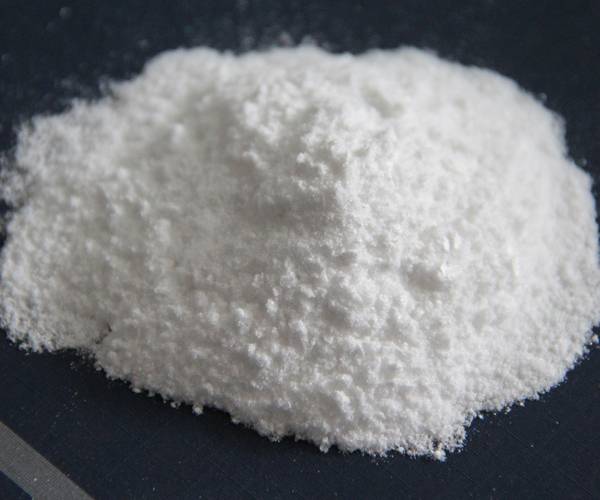
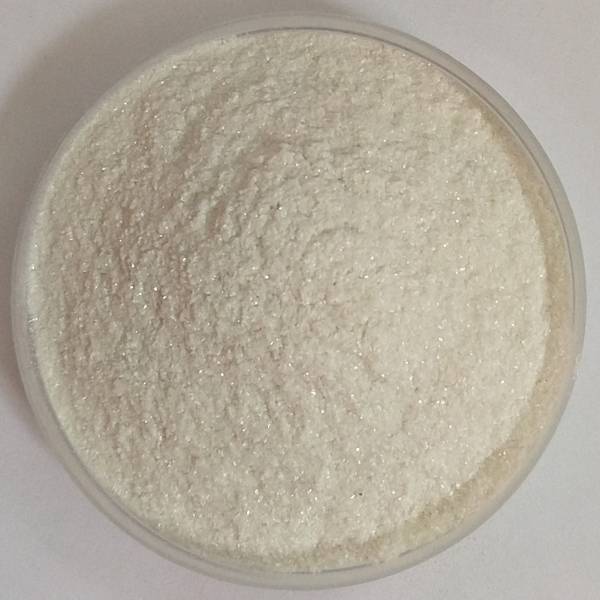
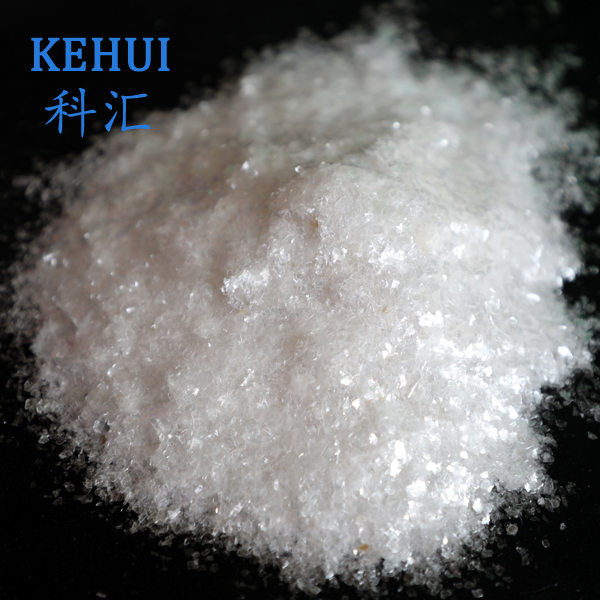 Discover heat-resistant synthetic mica flakes and powder with high whiteness from Kehui Mica Co. Ideal for pearl pigments, coatings, and special plastics. Trusted quality assurance. Explore: https://www.kehuimica.com/synthetic-mica-powder.htmlPer saperne di più
 -
Discover heat-resistant synthetic mica flakes and powder with high whiteness from Kehui Mica Co. Ideal for pearl pigments, coatings, and special plastics. Trusted quality assurance. Explore: https://www.kehuimica.com/synthetic-mica-powder.htmlPer saperne di più
-
Discover heat-resistant synthetic mica flakes and powder with high whiteness from Kehui Mica Co. Ideal for pearl pigments, coatings, and special plastics. Trusted quality assurance. Explore: https://www.kehuimica.com/synthetic-mica-powder.htmlPer saperne di più
-
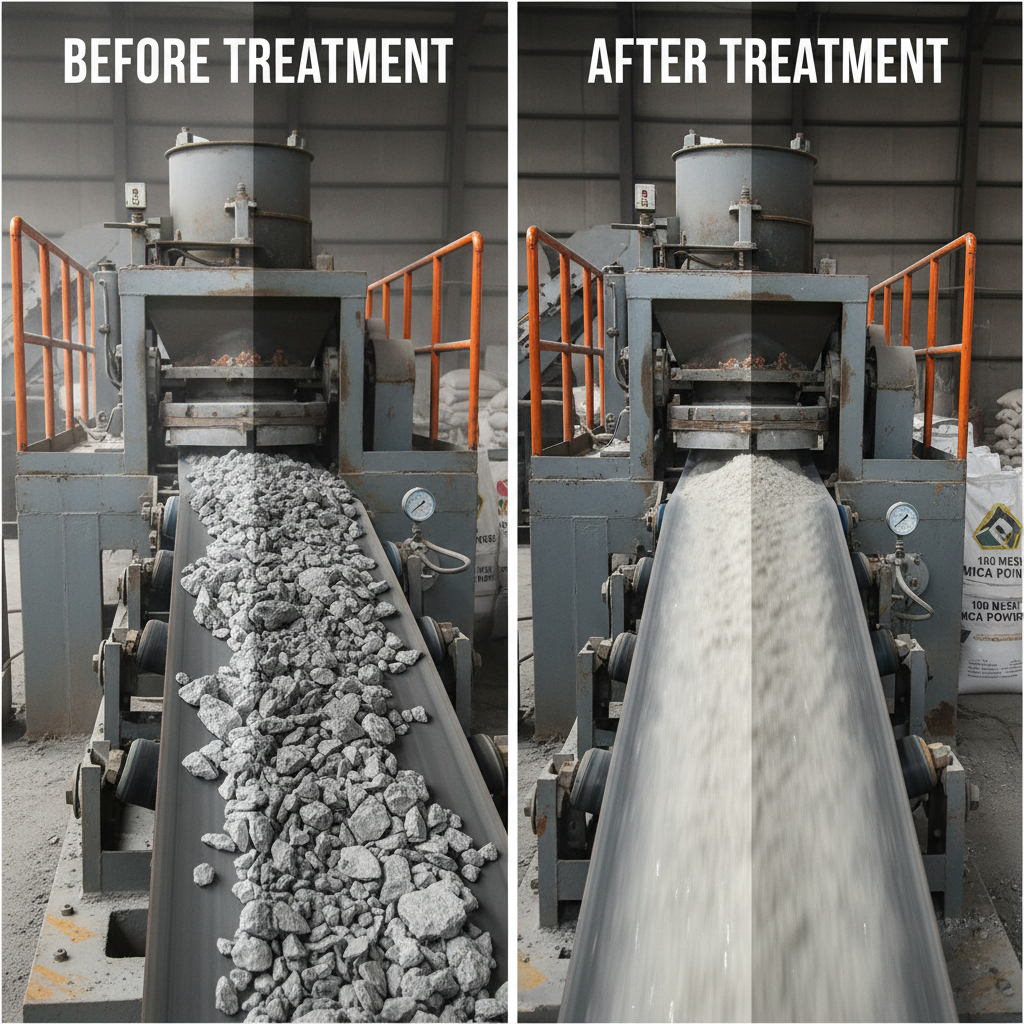 100 mesh mica powder is a versatile material finding increasing application across diverse industries. Its unique properties – including pearlescence, inertness, and excellent dielectric strength – make it a valuable component in paints, coatings, plastics, cosmetics, and even the oil and gas sector. This article delves into the characteristics, applications, and advantages of using 100 mesh mica powder, providing a comprehensive guide for potential users and industry professionals. Choosing the correct mica powder grade is vital for achieving optimal performance in your specific application. Mica is a naturally occurring mineral silicate. The term "100 mesh" refers to the particle size – meaning the powder has been processed so that most particles pass through a sieve with 100 openings per linear inch.Per saperne di più
 -
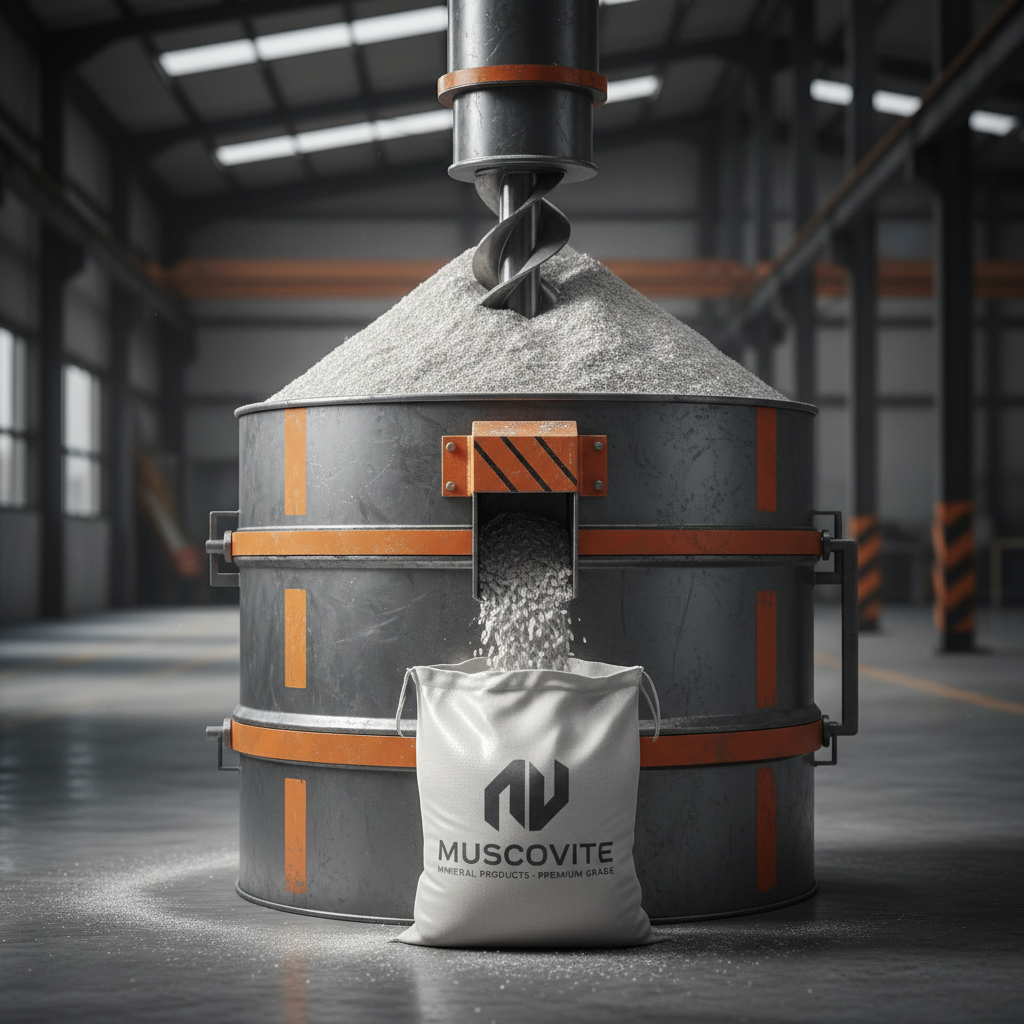 Muscovite powder, a naturally occurring silicate mineral, is prized for its unique properties and wide range of industrial applications. Known for its excellent dielectric strength, thermal stability, and flexibility, it’s a vital component in various sectors, from cosmetics to electronics. This article provides a comprehensive overview of muscovite powder, covering its characteristics, common uses, sourcing considerations, and why Kehui Chemical is a trusted supplier. Understanding these aspects is crucial for businesses seeking high-quality muscovite for their products. Muscovite is a hydrated potassium aluminum silicate mineral belonging to the mica family. In powder form, it consists of extremely thin, flexible, and transparent platelets. These platelets contribute to its remarkable properties, including high electrical resistance, chemical inertness, and resistance to heat and fire. It’s naturally asbestos-free, making it a safer alternative to other similar minerals.Per saperne di più
 -
 Mica powder for coating offers a unique combination of properties that make it a valuable additive across various industries. From automotive paints to cosmetics and beyond, its shimmering effect, durability, and chemical resistance are highly sought after. This article will delve into the benefits, applications, types, and considerations when choosing mica powder for your coating needs. We will explore how these versatile pigments enhance product quality and aesthetic appeal. Mica is a naturally occurring mineral silicate. It’s prized for its perfect cleavage, meaning it splits into thin, flexible sheets. These sheets exhibit a pearlescent or iridescent effect due to the way they reflect light. The primary types of mica used in coatings are muscovite and phlogopite. Muscovite offers excellent clarity and brilliance, while phlogopite boasts higher heat resistance and a wider range of colors. The versatility of mica powder extends to a broad spectrum of coating applications. In the automotive industry, it's used in paints to create metallic and pearlescent finishes. In industrial coatings, it improves weather resistance and corrosion protection.Per saperne di più
Prodotti correlati