Mar . 08, 2026 02:35
Back to list
Comprehensive Guide to Utilizing Mica Powder for Plastics Applications
Mica Powder for Plastics: A Comprehensive Guide
Mica powder is a versatile additive widely used in the plastics industry to enhance a variety of properties, from aesthetics to performance. Its ability to impart shimmer, improve heat resistance, and reduce weight makes it an invaluable component in numerous plastic applications. This article provides a detailed overview of mica powder for plastics, covering its types, benefits, applications, and how to choose the right product for your needs. Kehui Mica offers a wide range of high-quality mica powders designed for optimal plastic performance.
Understanding Mica Powder: Types and Characteristics
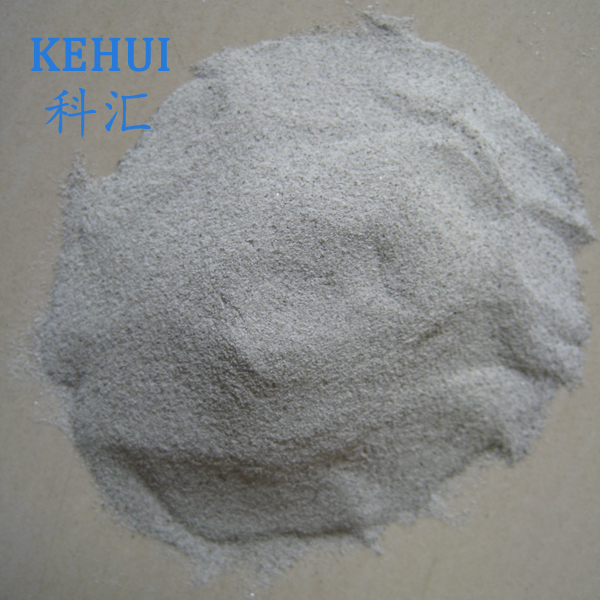
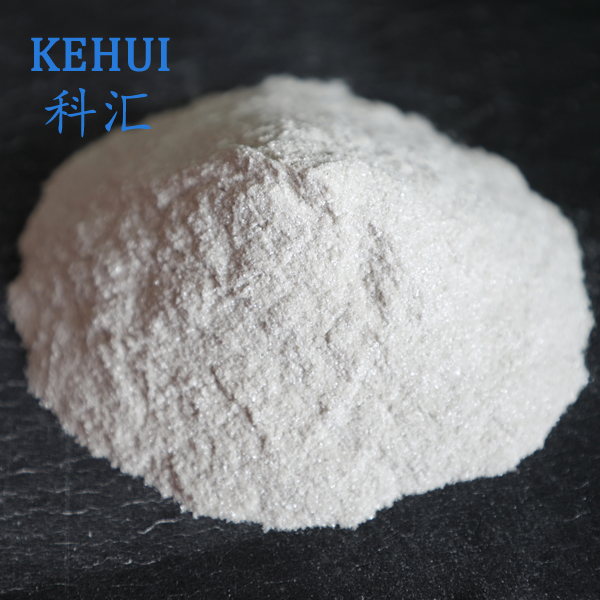
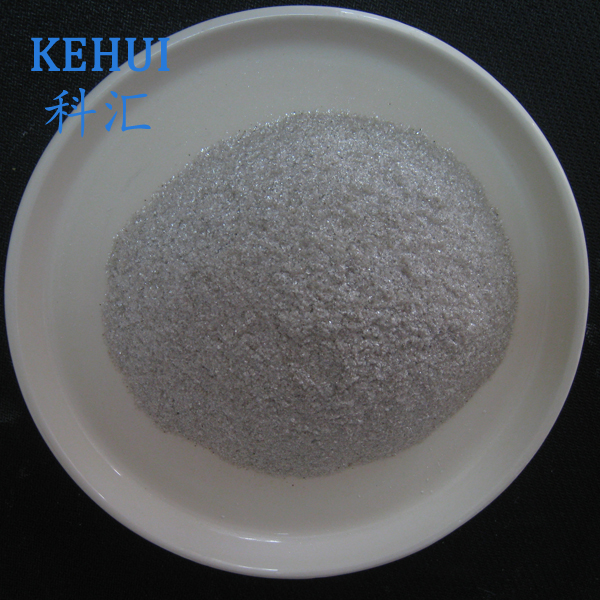
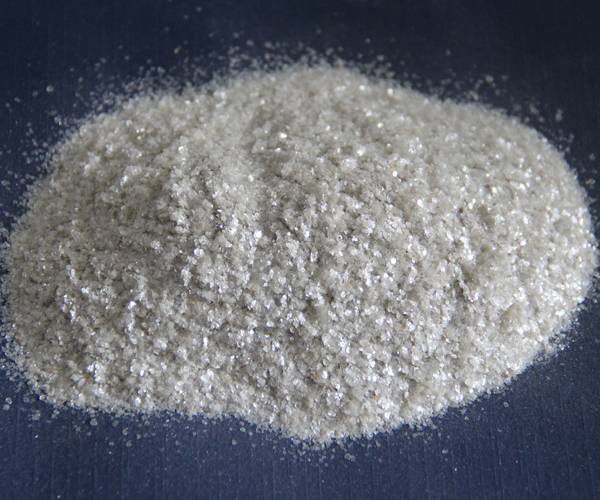
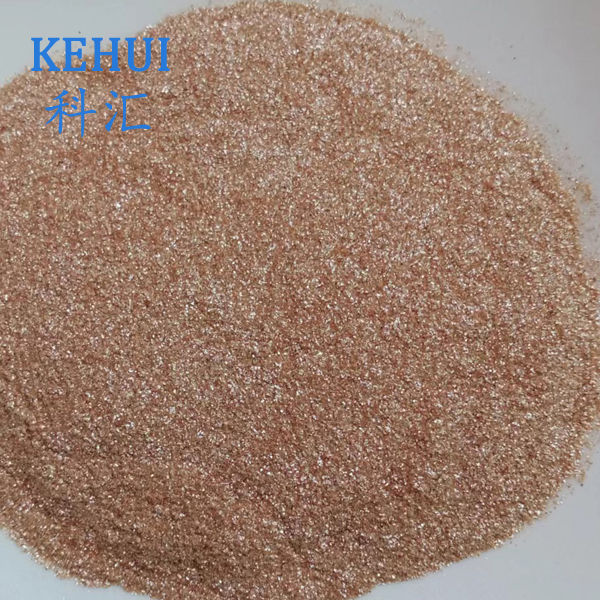
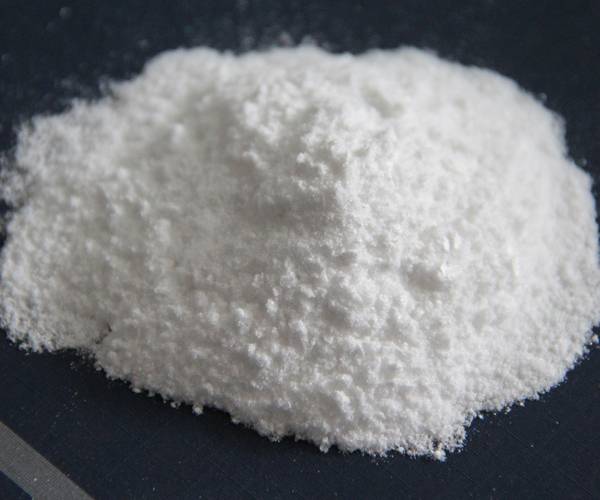
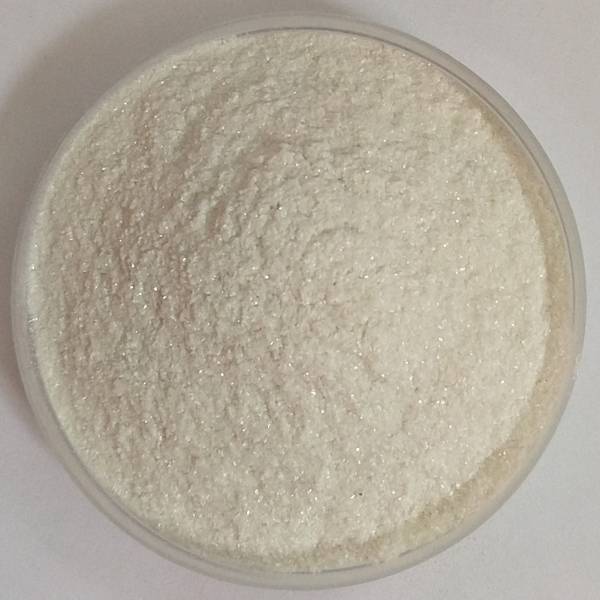
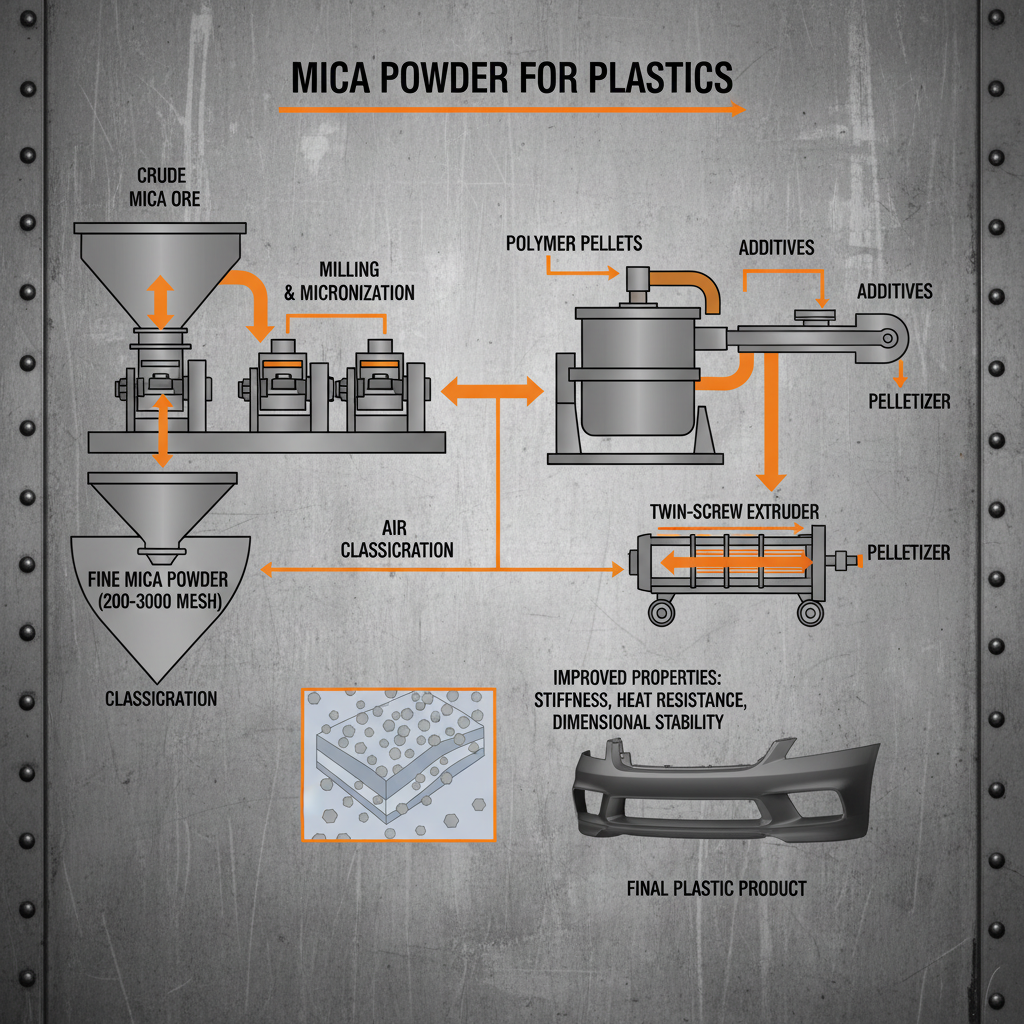
Mica is a naturally occurring mineral silicate, known for its excellent dielectric strength, thermal stability, and resistance to chemicals. For plastics, it’s typically ground into a fine powder. Different types of mica powders are available, each offering unique properties. The most common types include muscovite mica, phlogopite mica, and synthetic mica (fluorophlogopite). Muscovite mica offers high brightness and is commonly used in applications where a sparkling effect is desired. Phlogopite mica provides superior thermal stability and is preferred for high-temperature applications. Synthetic mica provides the purest form, offering consistent quality and exceptional performance. Kehui Mica specializes in providing tailored mica solutions to meet diverse application requirements.
Key Highlights: Mica powders contribute to enhanced mechanical strength, improved surface finish, and reduced shrinkage in plastic products.
Benefits of Using Mica Powder in Plastics
Incorporating mica powder into plastic formulations offers numerous advantages. It enhances the mechanical properties of the plastic, increasing its stiffness and strength. It also improves heat resistance, allowing the plastic to withstand higher temperatures without deformation. Furthermore, mica powder acts as a filler, reducing the overall cost of the plastic formulation without compromising its quality. Its low coefficient of thermal expansion minimizes warpage and shrinkage during processing. Finally, mica powder can create stunning visual effects, from subtle shimmer to bold pearlescence, making it ideal for cosmetic and decorative applications.
Key Benefits:
• Enhanced Mechanical Strength
• Improved Heat Resistance
• Cost Reduction
• Reduced Warpage and Shrinkage
• Enhanced Aesthetic Appeal
Mica Powder for Plastics: Applications Across Industries
The versatility of mica powder makes it suitable for a broad range of plastic applications. In the automotive industry, it’s used in dashboards, interior trims, and exterior components to improve dimensional stability and heat resistance. In the electronics industry, mica powder enhances the dielectric properties of plastic insulators. The packaging industry utilizes mica powder for creating aesthetically pleasing and durable plastic containers. In the cosmetics industry, it’s a key ingredient in eyeshadows, lipsticks, and foundations, providing shimmer and coverage. The construction industry utilizes mica filled plastics for siding and roofing due to its weather resistance. Kehui Mica caters to diverse industries with customized mica powder solutions.
Choosing the Right Mica Powder for Your Plastic Application
Selecting the appropriate mica powder depends on the specific requirements of your plastic application. Consider factors such as the type of plastic, processing temperature, desired aesthetic effect, and performance characteristics. Particle size is also critical – finer particles provide smoother finishes, while coarser particles offer greater sparkle. The aspect ratio (the ratio of particle length to width) influences the reinforcing effect and orientation within the plastic matrix. Consult with a mica powder specialist, like Kehui Mica, to ensure you choose the optimal product for your needs.
Product Specifications & Mica Powder Grades
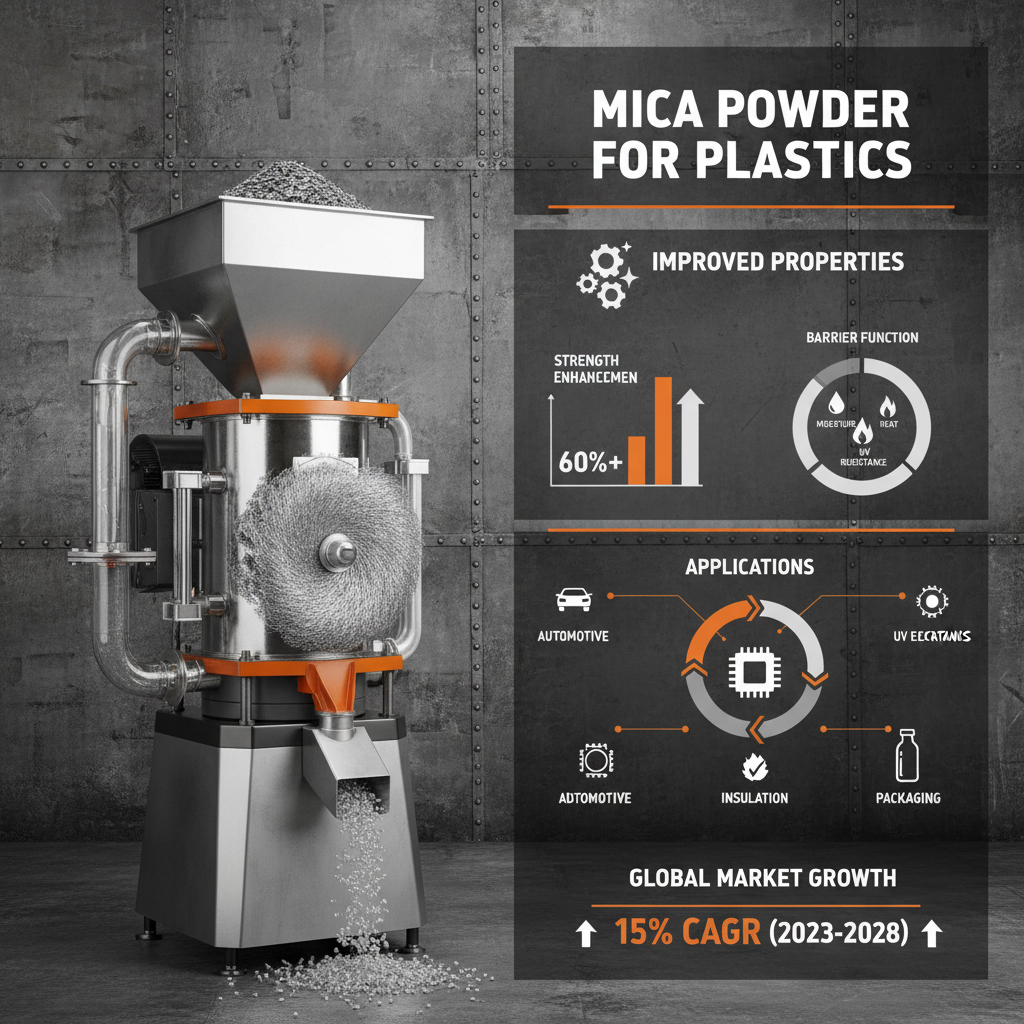
Kehui Mica offers a variety of mica powder grades tailored to specific plastic applications. Our products are rigorously tested to ensure consistent quality and performance. Here's a quick reference to some common specifications:
Conclusion: Enhance Your Plastics with Kehui Mica
Choosing the right mica powder can significantly enhance the performance and aesthetics of your plastic products. Kehui Mica provides high-quality mica powders tailored to meet your specific needs. Contact us today to learn more about our products and how we can help you optimize your plastic formulations.
Frequently Asked Questions (FAQs)
What is the recommended loading level of mica powder in plastics?
The optimal loading level of mica powder varies depending on the type of plastic and the desired properties. Generally, loading levels range from 5% to 40% by weight. Lower loadings (5-15%) are often used for aesthetic effects like shimmer, while higher loadings (20-40%) provide significant reinforcement and improved thermal stability. It’s crucial to conduct testing to determine the ideal loading level for your specific application, as excessive mica can sometimes negatively impact processing characteristics. Kehui Mica's technical team can provide guidance on optimal loading levels based on your plastic formulation.
Can mica powder be used with all types of plastics?
Mica powder is compatible with a wide range of plastics, including polypropylene (PP), polyethylene (PE), polyvinyl chloride (PVC), polystyrene (PS), polyamide (PA), and polycarbonate (PC). However, compatibility can vary depending on the type of mica and the plastic's processing conditions. It's important to consider factors like melt temperature and shear rate to ensure proper dispersion and avoid agglomeration. Kehui Mica offers mica powders specifically formulated for different plastic types, ensuring optimal performance.
What are the benefits of using surface-treated mica powder?
Surface treatment modifies the mica powder's surface properties to improve its compatibility with plastics. Common surface treatments include silanes, stearates, and titanates. These treatments enhance dispersion, reduce viscosity, and improve adhesion between the mica and the plastic matrix, resulting in better mechanical properties and a more uniform finish. Surface-treated mica powders are particularly beneficial in applications requiring high performance and durability.
Latest news
-
Technical Benefits of Calcined Mica for Welding ElectrodesNewsApr.09,2026
-
Superior Calcined Mica for Electrical Insulators Applications and BenefitsNewsApr.07,2026
-
Exploring the Versatility of Calcined Mica for Decoration and Diverse ApplicationsNewsApr.04,2026
-
Exploring Calcined Mica Properties Applications and Sourcing OptionsNewsMar.31,2026
-
Exploring the Versatile Applications of Mica Flakes Powder Across IndustriesNewsMar.28,2026
-
Synthetic Mica Flakes- Kehui Mica Co.|Heat-Resistant, High WhitenessNewsMar.27,2026
-
Synthetic Mica Flakes- Kehui Mica Co.|Heat-Resistant, High WhitenessNewsMar.27,2026
Related Products