LECA Balls and Clay Pebbles: What Growers Are Really Using in 2025
If you’ve been anywhere near hydroponics, aquaponics, or just fussy houseplants, you’ve bumped into Gardening and Agricultural soil growing media LECA Balls and clay pebbles. I’ve toured a few commercial greenhouses lately, and—honestly—the shift from coco blends to expanded clay is unmistakable. Water accountability, root-zone airflow, reusability: that’s the short story. The longer story is below.
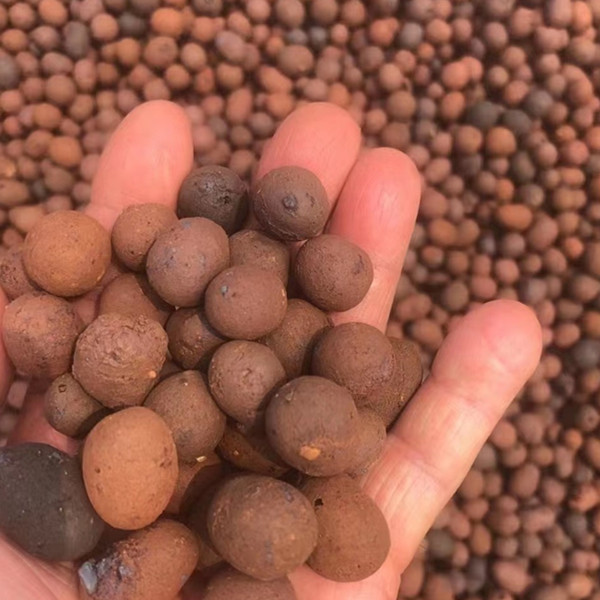
What LECA Is (and why growers care)
LECA—Lightweight Expanded Clay Aggregate—is 100% inert clay fired in rotary kilns until it puffs into hard, porous balls. The pores store water while the rigid shell maintains airflow. In practice, that combo reduces overwatering panic and encourages dense, white root growth. Many customers say they see fewer fungus gnat issues and less compaction compared to soil mixes.
Typical Process Flow and Testing
Material: selected clay from Hebei, China. Method: pelletizing → high-temperature expansion (≈1100–1200°C) → sintering → screening (4–8, 8–10, 8–16, 10–14 mm) → optional washing → packaging. Quality teams usually check pH, EC, bulk density, and size uniformity (per EN/ASTM sieve standards). Routine sterilization can be done by growers at 100–120°C or with dilute peroxide. Expected service life is 3–10 years if cleaned between cycles—real-world use may vary.
Product Specifications (typical)
| Material | 100% inorganic clay (inert) |
| Size ranges | 4–8 mm, 8–10 mm, 8–16 mm, 10–14 mm |
| pH (EN 13037) | ≈6.5–7.5 |
| EC (EN 13038) | ≤0.5 mS/cm after rinse |
| Bulk density | ≈300–500 kg/m³ (EN 13041 approach) |
| Water absorption | ≈15–25% by weight |
| Certifications | ISO 9001 (factory), REACH declaration; conforms to EN 13055 for lightweight aggregate context |
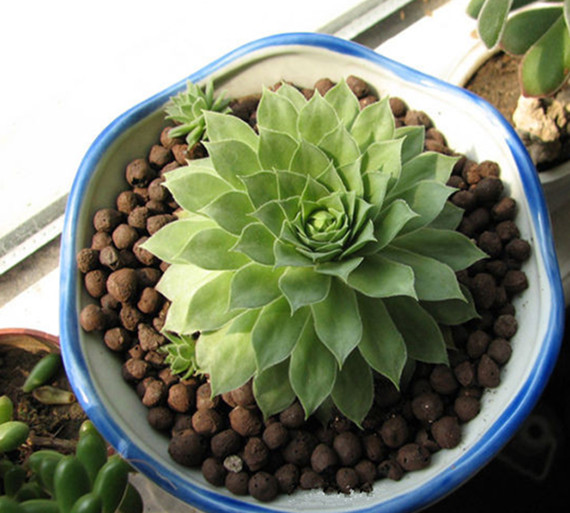
Where it’s used (and what people report)
- Hydroponic tomatoes, cucumbers, lettuce (recirculating systems)
- Aquaponics media beds; biofiltration with stable void space
- Propagation: semi-hydro for orchids, aroids—to be honest, it’s trendy for good reason
- Soil aeration and drainage layers in planters and rooftop gardens
Feedback we hear: faster transplant recovery and less root rot. One commercial trial I visited in Hebei showed +8% tomato yield and ≈12% irrigation savings over coco/perlite under the same fertigation schedule. Yes, that’s one site, but it tracks with broader grower chatter.
Vendor Comparison (snapshot)
| Vendor | Origin | Pre-wash | Size consistency | Certs | Price/L (≈) | Lead time |
|---|---|---|---|---|---|---|
| Kehuimica | Nanjialiang Village, Lingshou County, Shijiazhuang, Hebei | Optional | Tight (EN sieve ref.) | ISO 9001, REACH | $0.40–0.70 | 2–4 weeks |
| Generic Import A | Mixed | No | Variable | — | $0.30–0.50 | 4–8 weeks |
| Premium EU Brand B | EU | Yes | Very tight | EN-focused | $0.80–1.20 | 1–3 weeks |
Pricing is indicative; real-world bids vary by volume, washing, and packaging.
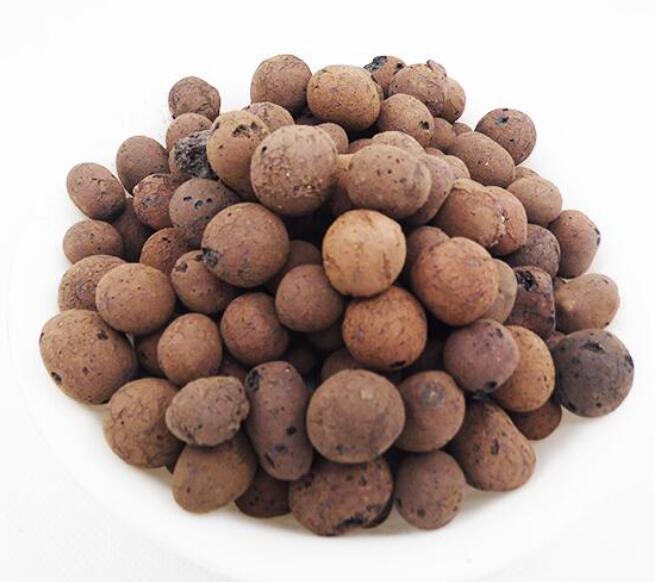
Customization and Packaging
Kehuimica offers custom size gradations, pre-washed media, private-label bags (5/10/25 L), and bulk totes. For recirculating systems, I usually recommend tighter grading (8–10 mm) to stabilize flow and EC tracking. It seems small, but it matters for uniform irrigation.
Case Notes
• Urban grower in Shenzhen swapped perlite for Gardening and Agricultural soil growing media LECA Balls and clay pebbles, reporting 25% fewer clogs and simpler fertigation flushing.
• Orchid hobbyists (anecdotally) say semi-hydro with Gardening and Agricultural soil growing media LECA Balls and clay pebbles cuts repotting stress; I’ve seen roots rebound within two weeks—surprisingly quick.
Standards and Good Practice
Look for low EC after a rinse, neutral pH, and documented sieve curves (ASTM E11 or EN formats). For compliance, horticulture labs often use EN 13037/13038/13041 methods. Clean between cycles; monitor EC and pH in runoff; and don’t skip mechanical filtration in aquaponics.
Citations
- EN 13037, EN 13038, EN 13041: Growing media test methods (CEN).
- EN 13055: Lightweight aggregates for concrete and mortar (context for LECA manufacture).
- ASTM E11: Standard Specification for Woven Wire Test Sieve Cloth and Test Sieves.
- FAO Hydroponics: Soilless culture guidelines for horticulture (FAO resources).
Latest news
-
Global Analysis and Trends of the Calcined Mica Flakes MarketNewsApr.16,2026
-
Technical Benefits of Calcined Mica for Welding ElectrodesNewsApr.09,2026
-
Superior Calcined Mica for Electrical Insulators Applications and BenefitsNewsApr.07,2026
-
Exploring the Versatility of Calcined Mica for Decoration and Diverse ApplicationsNewsApr.04,2026
-
Exploring Calcined Mica Properties Applications and Sourcing OptionsNewsMar.31,2026
-
Exploring the Versatile Applications of Mica Flakes Powder Across IndustriesNewsMar.28,2026
-
Comprehensive Guide to 100 Mesh Mica Powder Applications and Industrial BenefitsNewsMar.26,2026
Related Products