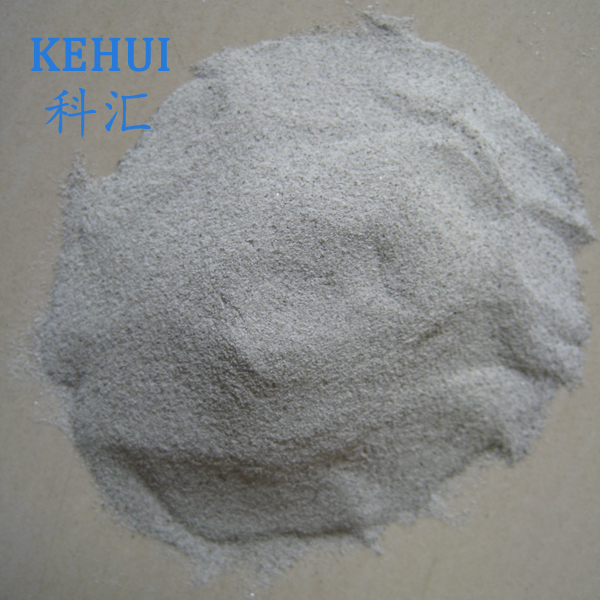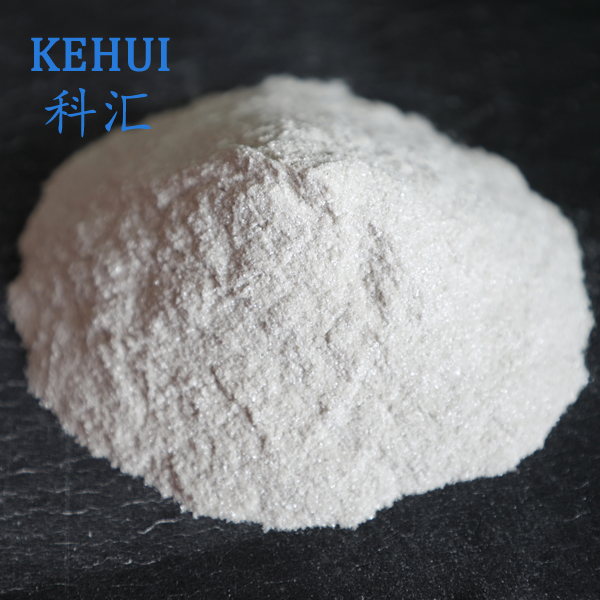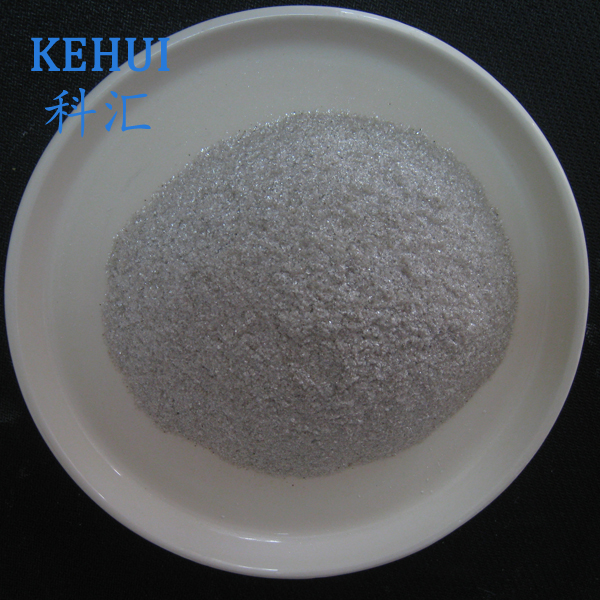
Why 4–8mm Clay Pebbles Are Quietly Powering Smarter Gardens
If you’ve tinkered with hydroponics or tried to fix a heavy, suffocating potting mix, you’ve probably bumped into 4-8mm expanded clay pebbles for gardening soil fertilizer. I’ve toured greenhouses from Shijiazhuang to Seattle where these little spheres—LECA, in industry shorthand—keep showing up. Not flashy, just effective.
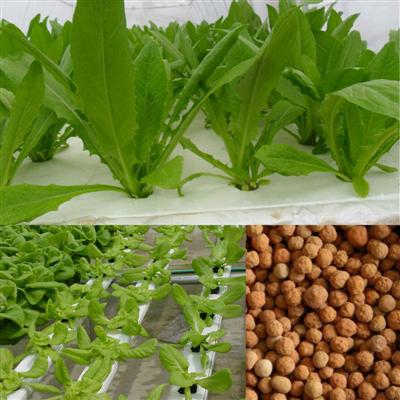
What They Are (and the 30‑Second Science)
Made from select clays and fired at high temperature until they puff like popcorn, LECA pebbles are inert, pH-stable, and riddled with micro-pores. That combo gives roots air, holds just enough water, and doesn’t dump salts into your system. Many customers say their orchids stop sulking once they switch, which frankly matches what I’ve seen.
Process Flow: From Hebei Clay to Clean, Graded Media
- Materials: Illite/kaolinitic clay from Nanjialiang Village, Lingshou County, Hebei, China.
- Methods: Pre-drying → rotary kiln expansion (≈1100–1200°C) → sintering → cooling → screening to 4–8 mm → dust extraction → optional washing.
- Testing standards: Bulk density per ASTM C29/C29M; pH per ISO 10523; gradation per EN 13055 sampling; visual QC for cracks/shelling.
- Service life: Around 5–10 years in horticulture; can be sterilized and reused (steam or 3% H2O2).
- Industries: Horticulture/hydroponics, aquaponics, green roofs, sports turf drainage, and light filtration beds.
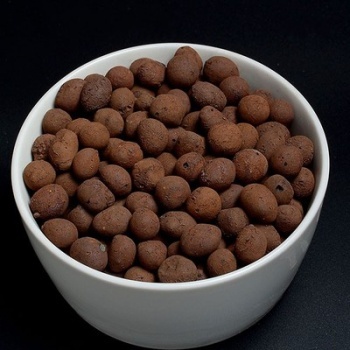
Product Specifications (real‑world use may vary)
| Nominal size | 4–8 mm (≈85% within range) |
| Bulk density, loose dry (ASTM C29) | ≈ 350 ± 50 kg/m³ |
| Water absorption, 24 h | ≈ 18–25% |
| pH (1:1 slurry, ISO 10523) | ≈ 6.8–7.4 |
| EC (1:1 slurry) | < 0.5 mS/cm |
| Open porosity | ≈ 60–70% |
| Single‑pellet compressive strength | > 1.5 MPa |
| Service life | 5–10 years; reusable after sterilization |
Where They Shine
- Hydroponics: DWC net pots, drip, ebb & flow—clean, inert, easy to flush.
- Aquaponics: Bacterial biofilm forms quickly without clogging, if you rinse well.
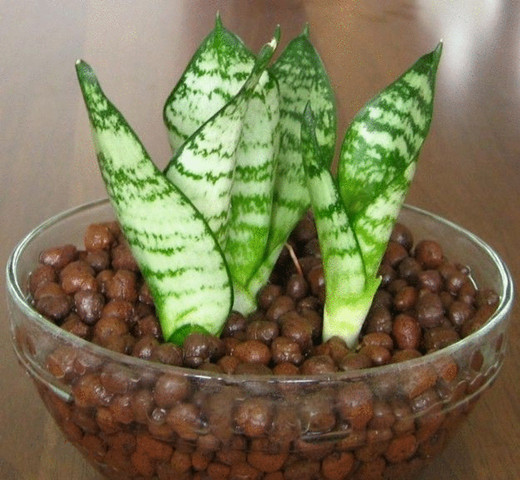
- Soil upgrade: Mix 20–40% into heavy soils for aeration; top dress to cut fungus gnats.
- Green roofs & sports: Lightweight drainage without compacting like gravel.
- Water treatment: As a light filter media layer (check local approvals, of course).
Vendor Snapshot: What’s Different, Really?
| Vendor/Brand | Origin | Size accuracy | Pre‑washed | pH/EC spec | Certs | Packaging |
|---|---|---|---|---|---|---|
| Kehuimica (4–8 mm) | Hebei, China | Tight (≈85% in range) | Optional | pH ≈ 7; EC < 0.5 mS/cm | ISO 9001; EN 13055 alignment | 25L, 50L, 1 m³ bag |
| Brand H (Hydroponic grade) | EU | Tight | Yes | Neutral; low EC | ISO 9001 | 10L–50L bags |
| Brand L (LECA aggregate) | EU | Moderate | Varies | Neutral; low EC | EN 13055 | Bulk & bags |
To be honest, pre‑washing saves time (and a few pump headaches). That’s one of the first things growers mention.
Customization & QC
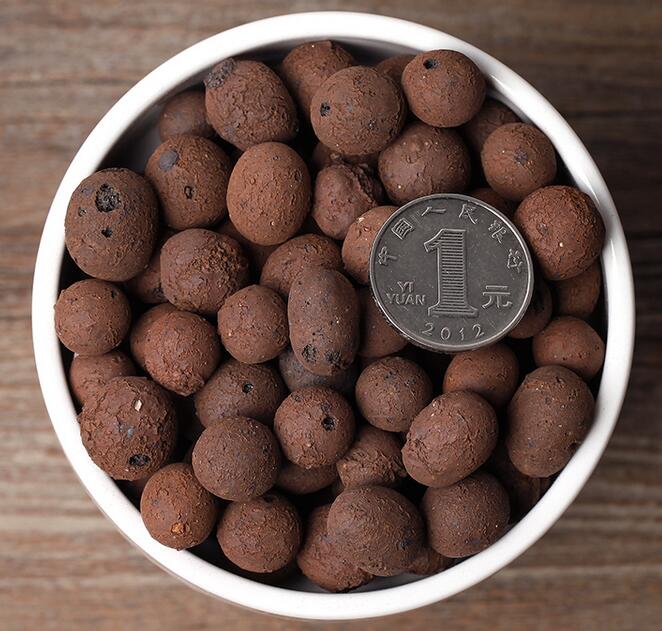
Sizes: 2–4, 4–8, 8–16 mm. Options: pre‑washed, kiln‑tuned density for filtration vs horticulture, private‑label bags. Batch QC includes sieve analysis, bulk density, and pH/EC spot checks. I guess the practical takeaway is consistency—nobody wants random 16 mm boulders in net pots.
Mini Case Files
- Hydroponic basil (drip, EU): Switching to 4-8mm expanded clay pebbles for gardening soil fertilizer cut clogging and bumped marketable yield ≈7% over 12 weeks; EC stayed stable after week 2 rinse-in.
- Aquaponics pilot (APAC): Media beds with 4-8mm expanded clay pebbles for gardening soil fertilizer reached nitrification in ~9 days, ~2–3 days faster than lava rock controls, with easier cleaning.
Customer feedback? “Roots exploded” is the phrase I keep hearing—unscientific, yes, but not wrong.
Trends to Watch
As water gets pricier and growers push recirculating systems, inert, reusable media like 4-8mm expanded clay pebbles for gardening soil fertilizer keep gaining ground. Also seeing growth in green roofs and container111ized urban farming, where weight and drainage matter more than ever.
References
- EN 13055: Lightweight aggregates. European Committee for Standardization (CEN).
- ASTM C29/C29M – Standard Test Method for Bulk Density (Unit Weight) and Voids in Aggregate. ASTM International.
- ISO 10523: Water quality — Determination of pH. International Organization for Standardization.
- Hochmuth, R. et al. Hydroponic Vegetable Production. University of Florida IFAS Extension (EDIS HS1209).
- NSF/ANSI/CAN 61: Drinking Water System Components—Health Effects. NSF International.
Latest news
-
Global Analysis and Trends of the Calcined Mica Flakes MarketNewsApr.16,2026
-
Technical Benefits of Calcined Mica for Welding ElectrodesNewsApr.09,2026
-
Superior Calcined Mica for Electrical Insulators Applications and BenefitsNewsApr.07,2026
-
Exploring the Versatility of Calcined Mica for Decoration and Diverse ApplicationsNewsApr.04,2026
-
Exploring Calcined Mica Properties Applications and Sourcing OptionsNewsMar.31,2026
-
Exploring the Versatile Applications of Mica Flakes Powder Across IndustriesNewsMar.28,2026
-
Comprehensive Guide to 100 Mesh Mica Powder Applications and Industrial BenefitsNewsMar.26,2026
Related Products