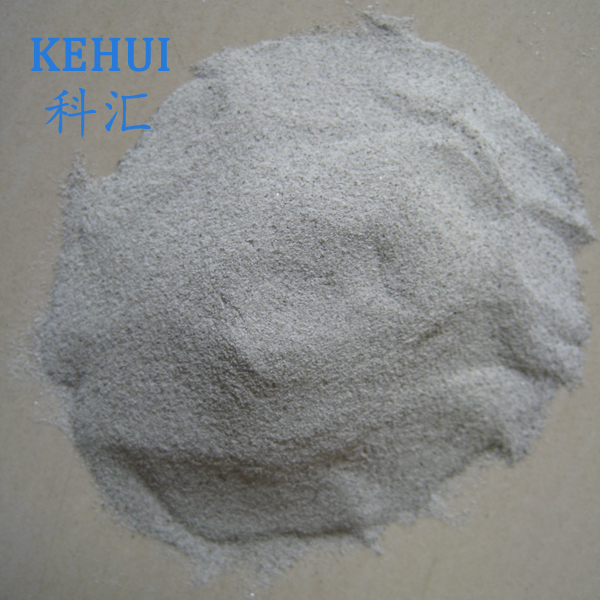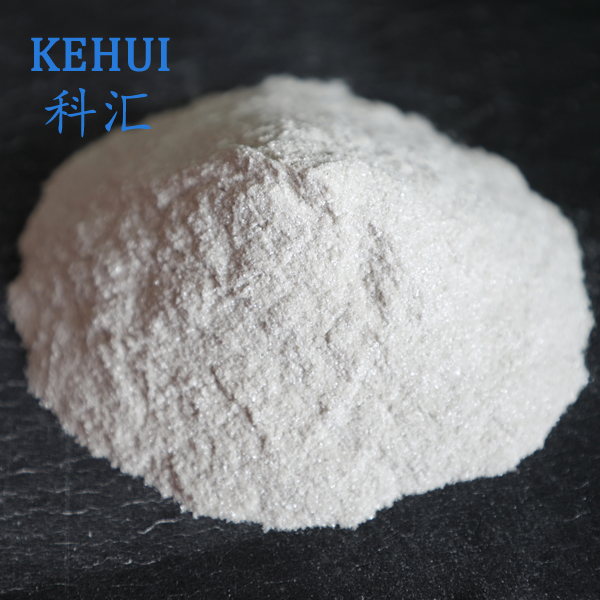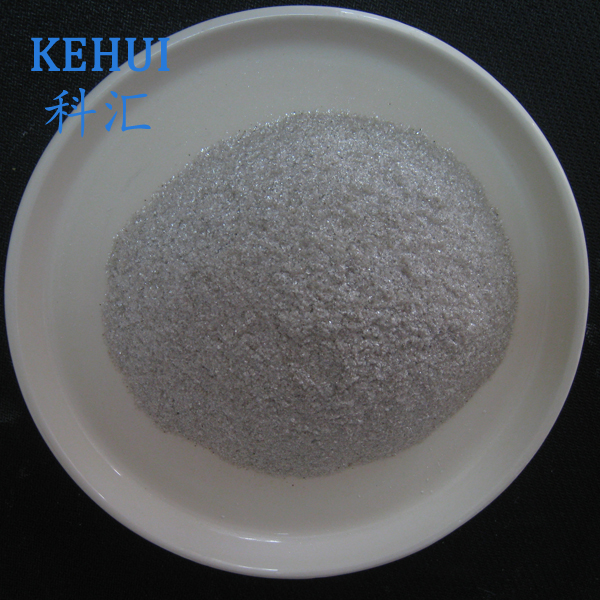
In the realm of advanced material science and industrial applications, the demand for lightweight, high-strength, and thermally insulating fillers continues to escalate. Among the most innovative solutions emerging from sustainable practices are Aluminosilicate Microspheres Cenosphere Fly Ash. These hollow, spherical particles, typically derived as a byproduct from coal combustion in power plants, offer a unique combination of properties that make them indispensable across a diverse range of sectors. Their inert nature, high melting point, low density, and exceptional compressive strength provide significant advantages over traditional fillers, driving efficiency and performance in demanding environments.
Industry Trends and Market Dynamics
The global market for cenospheres is experiencing robust growth, propelled by increasing awareness of their environmental benefits (waste valorization) and superior performance characteristics. Key drivers include the surge in demand from the oil and gas industry for lightweight drilling muds and cements, the automotive sector for lightweight composites, and the construction industry for high-performance concrete and insulation materials. Recent market analysis projects a CAGR of approximately 7-9% for the cenosphere market over the next five years, indicating a sustained upward trajectory. This growth is further fueled by stringent regulations encouraging the use of recycled materials and the continuous quest for energy efficiency across industrial processes. The Asia-Pacific region, particularly China and India, dominates both production and consumption, attributed to high coal-fired power generation and rapid industrialization. North America and Europe also show significant adoption due to advanced R&D and established composite material industries.
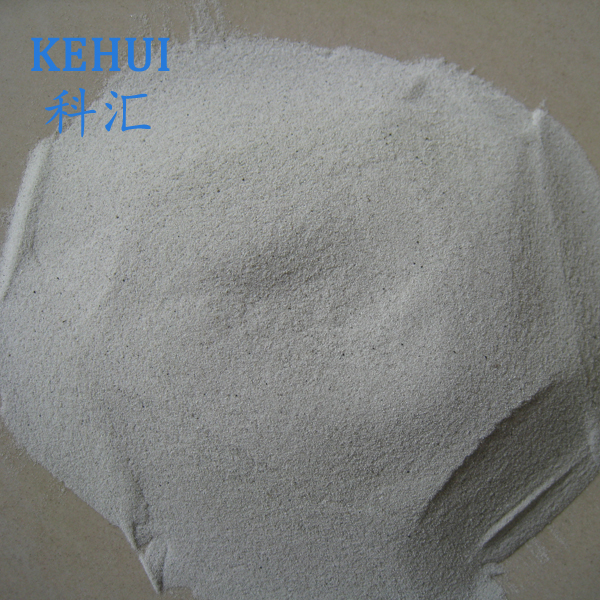
Innovations in processing technologies are also expanding the application scope, allowing for finer particle sizes and improved surface treatments that enhance compatibility with various matrices. The emphasis on sustainability and circular economy principles ensures that materials like Aluminosilicate Microspheres Cenosphere Fly Ash will remain at the forefront of material science innovation.
Detailed Process Flow: Manufacturing Aluminosilicate Microspheres Cenosphere Fly Ash
The production of high-quality Aluminosilicate Microspheres Cenosphere Fly Ash involves a series of sophisticated separation and processing steps, primarily starting from the raw fly ash generated by coal-fired power plants. The inherent properties of these materials are largely determined during the combustion process, where mineral impurities in coal melt and, under specific conditions, form hollow spheres as they cool and solidify.
Materials and Origin:
- Raw Fly Ash: The primary feedstock, collected from electrostatic precipitators or baghouses in thermal power plants. It contains a diverse mix of solid particles, including glassy spheres, unburnt carbon, and mineral matter.
- Cenosphere Formation: During high-temperature combustion (typically 1200-1700°C), aluminosilicate minerals within the coal melt. Surface tension causes these molten particles to form spheres. As volatile components (like carbon dioxide or oxygen trapped within) evaporate, they create an internal cavity, inflating the sphere. Rapid cooling then vitrifies the outer shell, trapping the gas and forming the hollow structure.
Manufacturing Process:
- Wet Classification (Floatation): Raw fly ash is mixed with water to create a slurry. Due to their hollow nature, cenospheres are significantly lighter than other fly ash particles (plerospheres, ferrospheres, solid ash). This density difference allows them to float to the surface, where they are skimmed off. This is a primary separation technique, akin to casting out unwanted heavier elements.
- Dewatering: The cenosphere-rich slurry is then dewatered using methods such as vacuum filtration, filter presses, or centrifuges to remove excess water. This step is crucial for subsequent drying processes.
- Drying: The dewatered material is dried in rotary kilns or fluid bed dryers. Precise temperature control is essential to remove moisture without damaging the fragile sphere structure. This is a critical process akin to controlled thermal treatment.
- Air Classification / Sieving: Once dry, the cenospheres undergo air classification or mechanical sieving to separate them by particle size. This process is analogous to precise CNC machining in terms of achieving specified dimensions. Multiple stages may be employed to achieve various grades (e.g., 50-100 mesh, 100-200 mesh, 200-400 mesh,
- Further Purification (Optional): For specific high-purity applications, additional steps like magnetic separation (to remove iron oxides) or acid washing (to remove surface contaminants) may be employed.
- Packaging: The finished cenospheres are packaged into bags (e.g., 20 kg, 500 kg, 1000 kg jumbo bags) or bulk transport, ensuring minimal breakage and contamination.
Testing Standards and Quality Assurance:
Our production adheres to rigorous international testing standards, including ISO 9001 for quality management and ASTM C379 for cenospheres for use in lightweight aggregates. Key parameters tested include true density (typically 0.6-0.9 g/cm³), bulk density, particle size distribution, crush strength, chemical composition (SiO₂, Al₂O₃, Fe₂O₃), moisture content, and loss on ignition (LOI). These strict controls ensure consistent product quality, optimal performance, and a reliable service life.
Target Industries and Advantages:
- Petrochemical: Used in lightweight drilling cements and proppants for enhanced well stability and productivity. Advantage: Reduced density of slurries (energy saving in pumping) and improved flow.
- Metallurgy: As a refractory material in tundish powders and insulating covers. Advantage: Excellent thermal insulation, leading to energy saving and reduced heat loss.
- Water Supply & Drainage: In lightweight concrete pipes and infrastructure. Advantage: Reduced weight facilitates easier installation and corrosion resistance against aggressive environments.
- Automotive & Aerospace: In lightweight composite materials for reduced vehicle weight, enhancing fuel efficiency. Advantage: Significant weight reduction without compromising strength.
Technical Specifications and Parameters
The performance of Aluminosilicate Microspheres Cenosphere Fly Ash is defined by a set of critical technical parameters. These specifications are vital for engineers and procurement specialists to ensure optimal material selection for their specific applications.
Typical Product Specification Table: Kehui Mica Cenospheres
These parameters are meticulously controlled through our ISO 9001 certified quality management system, ensuring that each batch of Aluminosilicate Microspheres Cenosphere Fly Ash meets or exceeds industry expectations. The high crush strength, particularly, highlights their structural integrity even in high-pressure applications.
Application Scenarios and Technical Advantages
The unique combination of properties offered by Aluminosilicate Microspheres Cenosphere Fly Ash makes them highly versatile, delivering significant technical advantages across various demanding industrial applications.
Key Application Areas:
- Oil & Gas Industry: Widely used in drilling fluids, cementing, and proppants. Their low density significantly reduces the hydrostatic pressure in drilling muds, preventing formation damage and loss of circulation. In cementing, they produce lightweight slurries with superior compressive strength and thermal insulation, crucial for deep wells.
- Construction & Infrastructure: Incorporated into lightweight concrete, refractory products, and specialty grouts. They reduce the dead load of structures, improve thermal insulation (energy saving), enhance fire resistance, and facilitate easier handling and reduced transport costs. Used in high-performance insulation boards and panels.
- Automotive & Aerospace: Integral to lightweight composite materials, plastics, and coatings. Their inclusion reduces the weight of vehicle components, leading to improved fuel efficiency and lower emissions, without compromising mechanical integrity.
- Paints & Coatings: Used as functional fillers to enhance paint properties. They improve scrub resistance, reduce pigment consumption, control sheen, and enhance insulation properties, contributing to more durable and energy-efficient coatings.
- Refractories: Employed in various refractory shapes, castables, and insulations. Their high melting point and low thermal conductivity provide excellent high-temperature resistance and insulation, prolonging furnace lining life and achieving energy savings.
Technical Advantages:
- Lightweighting: With true densities typically ranging from 0.6 to 0.9 g/cm³, they drastically reduce the weight of end products, leading to lower transportation costs, easier installation, and improved fuel efficiency in automotive and aerospace applications.
- Superior Thermal Insulation: The hollow structure acts as an excellent insulator, entrapping air or inert gases. This significantly reduces thermal conductivity, making them ideal for refractory materials, insulation boards, and energy-efficient coatings.
- High Compressive Strength: Despite their low density, the spherical shape and robust aluminosilicate shell provide exceptional crush strength, ensuring structural integrity even under high-pressure applications (e.g., deep well cementing, proppants).
- Chemical Inertness & Corrosion Resistance: Composed primarily of stable oxides (SiO₂ and Al₂O₃), they are highly resistant to acids, alkalis, and organic solvents, extending the service life of materials in aggressive chemical environments.
- High Melting Point: Capable of withstanding temperatures exceeding 1200°C (2200°F), making them suitable for high-temperature applications such as refractory ceramics and fire-resistant materials.
- Improved Flowability & Workability: The spherical shape acts as miniature ball bearings, improving the flow characteristics of slurries, resins, and compounds, leading to better workability, reduced viscosity, and improved processing efficiency.
- Cost-Effectiveness: As a reclaimed industrial byproduct, cenospheres offer an economically attractive alternative to expensive synthetic microspheres, providing high performance at a competitive price point.
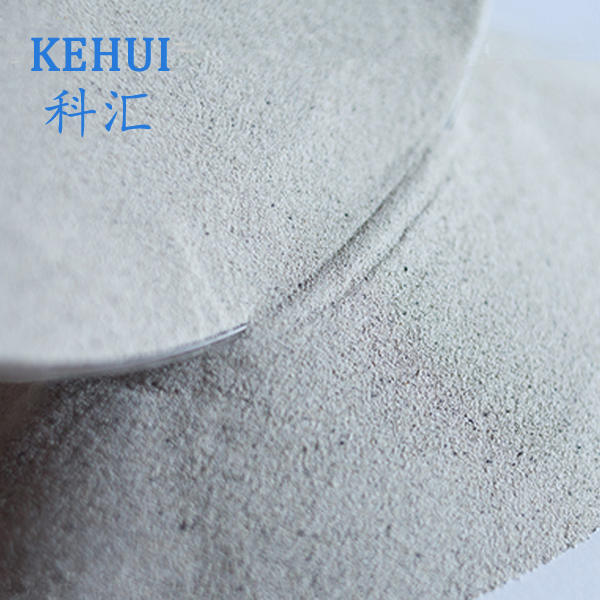
Vendor Comparison: Kehui Mica vs. Generic Cenosphere Suppliers
Choosing the right supplier for Aluminosilicate Microspheres Cenosphere Fly Ash is critical for ensuring consistent product quality and application performance. While many generic suppliers exist, Kehui Mica distinguishes itself through stringent quality control, customized solutions, and unparalleled customer support.
Comparative Analysis Table:
Customized Solutions
Recognizing that every industrial application has unique requirements, Kehui Mica offers tailored solutions for Aluminosilicate Microspheres Cenosphere Fly Ash. Our in-house R&D team works closely with clients to develop products that precisely meet their specifications. This includes:
- Particle Size Customization: We can produce specific particle size distributions (e.g., D50 values, narrow ranges) optimized for flow, packing density, or surface area requirements in various matrices.
- Surface Treatments: Cenospheres can be surface-modified (e.g., silane coatings) to improve compatibility and adhesion with specific polymer resins (epoxies, polyurethanes) or cementitious systems, enhancing overall composite performance.
- Purity Adjustments: For ultra-high purity applications, additional processing steps can be implemented to further reduce impurities like unburnt carbon or magnetic content.
- Density Modifications: While inherent density is fixed, we can work on blending strategies or specific source selections to achieve a tighter density range for highly sensitive applications.
Our technical experts partner with your engineering teams from concept to implementation, ensuring the optimal performance of Kehui Mica products in your systems. This collaborative approach underscores our commitment to delivering value beyond standard product offerings.
Application Case Studies
Real-world applications demonstrate the tangible benefits of incorporating Kehui Mica's Aluminosilicate Microspheres Cenosphere Fly Ash into various industrial processes.
Case Study 1: Lightweight Cement for Deep Oil Wells
A major offshore oil and gas company faced challenges with high hydrostatic pressure and slurry instability when cementing deep-water wells. Traditional lightweight additives compromised compressive strength and led to significant fluid loss. By incorporating Kehui Mica cenospheres (Grade KM-HSD, 0.7 g/cm³ true density, 4000 psi crush strength) at a 20% by weight of cement replacement, the client achieved a 25% reduction in slurry density. This reduced hydrostatic pressure by 1.2 lb/gal equivalent, preventing formation fracturing. Crucially, the resulting cement maintained a 28-day compressive strength exceeding 5,000 psi, far surpassing industry requirements. The spherical nature also improved slurry rheology, leading to smoother pumping and more uniform placement. Customer feedback highlighted a reduction in non-productive time by 15% due to enhanced cement integrity.
Case Study 2: Thermal Insulation in Refractory Castables
A steel manufacturer sought to improve the thermal efficiency of their tundish linings and reduce energy consumption. Existing insulation materials were heavy and showed poor resistance to thermal shock. Kehui Mica supplied specialized cenospheres (Grade KM-HT, >1500°C melting point, 0.65 g/cm³ true density) for incorporation into lightweight refractory castables. The inclusion of cenospheres resulted in a 40% reduction in the thermal conductivity of the castable, leading to a measured 8% energy saving in the overall steel-making process. The lighter weight of the castables also simplified installation, reducing labor costs and improving safety. The client reported extended service life of their tundish linings by an average of 18%, attributed to improved thermal stability and reduced spalling.
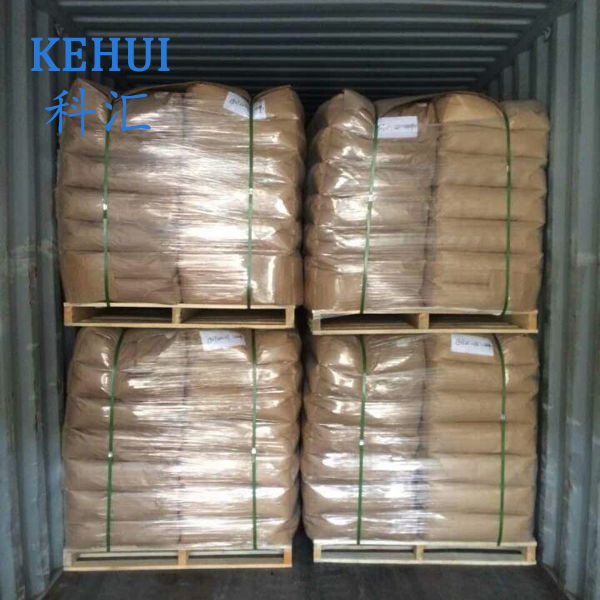
Trustworthiness: FAQ, Lead Time, Warranty & Support
At Kehui Mica, we prioritize transparency and reliability to build lasting partnerships. Here’s how we ensure trustworthiness:
Frequently Asked Questions (FAQ):
-
Q: What is the primary composition of your cenospheres?
A: Our Aluminosilicate Microspheres Cenosphere Fly Ash are primarily composed of amorphous silica (SiO₂) and alumina (Al₂O₃), typically exceeding 85% combined, along with trace amounts of other mineral oxides. -
Q: Are your cenospheres environmentally friendly?
A: Yes, they are a valuable byproduct of coal combustion, making their use an excellent example of industrial waste valorization and contributing to a circular economy. They help reduce landfill waste and the need for virgin materials. -
Q: How can I determine the correct grade for my application?
A: Our technical sales team and R&D specialists are available for consultation. We can assess your specific requirements regarding density, particle size, and crush strength to recommend the optimal product grade. -
Q: Do you provide samples for testing?
A: Absolutely. We offer samples of our various grades for evaluation purposes to ensure suitability for your processes before bulk orders.
Lead Time and Fulfillment:
Kehui Mica maintains robust production capabilities and a streamlined logistics network to ensure timely delivery. Standard lead times for most grades of Aluminosilicate Microspheres Cenosphere Fly Ash typically range from 2 to 4 weeks, depending on order volume and specific customization requirements. For urgent or large-scale projects, we encourage direct communication to arrange expedited production and shipping. Our global partnerships with freight forwarders ensure efficient and secure delivery worldwide.
Warranty Commitments:
All Kehui Mica products are manufactured under strict quality control protocols, adhering to ISO 9001 standards. We warrant that our aluminosilicate microspheres will conform to the agreed-upon technical specifications provided with each order. In the unlikely event of any deviation from these specifications, we commit to prompt investigation, replacement of non-conforming material, or appropriate compensation, as per our standard terms and conditions. Our commitment extends to providing Certificates of Analysis (CoA) with every shipment.
Customer Support:
Our dedicated customer support team is available to assist you from initial inquiry through post-purchase support. We offer:
- Technical Consultation: Expert advice on product selection, application optimization, and troubleshooting.
- Order Tracking: Real-time updates on your order status and shipping.
- After-Sales Service: Responsive support for any quality-related concerns or technical queries after delivery.
- Global Reach: Our team is equipped to support clients across different time zones and regions.
Contact us today via phone, email, or our website to experience our professional and attentive service.
References
- Hemalatha, T., & Ramasamy, V. (2018). Cenospheres: Characterization, properties, and applications. Journal of Hazardous Materials, 344, 40-52.
- ASTM International. (2020). ASTM C379-19 Standard Specification for Fly Ash for Use as a Mineral Admixture in Portland Cement Concrete. ASTM International, West Conshohocken, PA.
- Frías, M., Sánchez de Rojas, M. I., & García, R. (2012). The effect of the pozzolanic reaction on the microstructure and properties of fly ash–cement mortars. Cement and Concrete Research, 42(4), 679-688.
- Energy Information Administration. (2023). Coal Combustion Products in the United States. Retrieved from EIA.gov.
- International Organization for Standardization. (2015). ISO 9001:2015 Quality management systems – Requirements.
Latest news
-
Global Analysis and Trends of the Calcined Mica Flakes MarketNewsApr.16,2026
-
Technical Benefits of Calcined Mica for Welding ElectrodesNewsApr.09,2026
-
Superior Calcined Mica for Electrical Insulators Applications and BenefitsNewsApr.07,2026
-
Exploring the Versatility of Calcined Mica for Decoration and Diverse ApplicationsNewsApr.04,2026
-
Exploring Calcined Mica Properties Applications and Sourcing OptionsNewsMar.31,2026
-
Exploring the Versatile Applications of Mica Flakes Powder Across IndustriesNewsMar.28,2026
-
Synthetic Mica Flakes- Kehui Mica Co.|Heat-Resistant, High WhitenessNewsMar.27,2026
Related Products