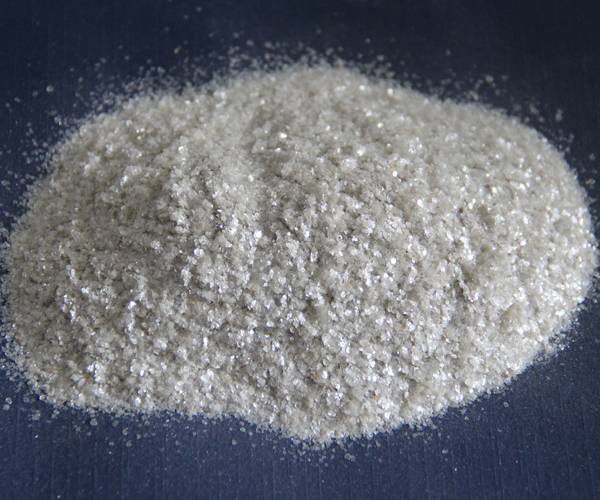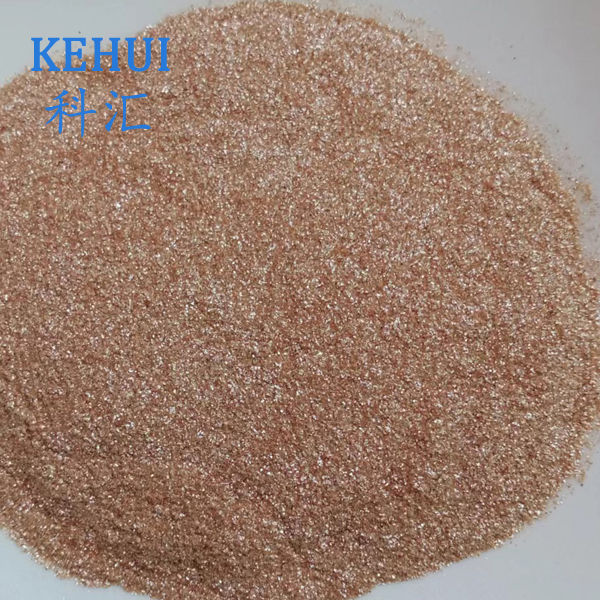
Introduction to Expanded Clay Pebbles in Horticulture
In the rapidly evolving landscape of modern horticulture, the choice of growing media is paramount to ensuring optimal plant health and maximizing yield. Among the diverse range of substrates available, Expanded Clay Pebbles as plants growing media, often referred to as LECA (Lightweight Expanded Clay Aggregate), has emerged as a superior solution for a myriad of applications, from hydroponics to green infrastructure. These inert, porous, and highly stable aggregates offer an exceptional balance of aeration, drainage, and water retention, making them indispensable for advanced cultivation systems requiring precise environmental control.
This article provides an in-depth exploration of expanded clay pebbles, covering their manufacturing process, technical specifications, diverse application scenarios, and the profound advantages they offer for B2B agricultural enterprises seeking sustainable and efficient growing solutions.
Industry Trends and Market Dynamics
The global horticulture industry is experiencing unprecedented growth, driven by increasing demand for fresh produce, urbanization, and the imperative for sustainable agricultural practices. Hydroponics, aquaponics, and vertical farming are at the forefront of this evolution, offering higher yields per square foot and reduced water consumption compared to traditional soil-based methods. Projections indicate that the global hydroponics market alone is expected to reach over $16 billion by 2025, demonstrating a CAGR of nearly 12% from 2020. This expansion fuels the demand for high-performance, reusable, and environmentally friendly growing media.
LECA is perfectly positioned to capitalize on these trends due to its inert nature, stability, and versatility. Growers are increasingly seeking media that prevent nutrient lockout, offer superior root zone aeration, and can be sanitized and reused, aligning with circular economy principles. Furthermore, the rising awareness of soil-borne diseases and pests is pushing cultivation towards controlled environments where sterile media like expanded clay pebbles provide a crucial advantage. This shift underscores the strategic importance of understanding and integrating advanced growing media solutions into B2B agricultural operations.
Manufacturing Process Flow for Expanded Clay Pebbles
The production of expanded clay pebbles involves a meticulous process designed to achieve their unique physical and chemical properties. This controlled manufacturing ensures the consistency and performance required for demanding horticultural applications. The primary material is carefully selected natural clay, rich in iron oxides and other minerals, which undergoes several stages:
- Raw Material Selection & Preparation: High-quality, low-silt clay is quarried. It undergoes initial crushing and screening to remove impurities and achieve a consistent particle size suitable for processing.
- Homogenization & Pelletizing: The prepared clay is mixed with water to form a homogeneous paste. This paste is then extruded and cut into small, uniform pellets. The size and shape of these pellets are critical as they directly influence the final pebble dimensions and internal structure after expansion.
- Rotary Kiln Firing & Expansion: The green clay pellets are fed into a large rotary kiln, where they are gradually heated to temperatures between 1100°C and 1300°C (2000-2370°F). At these extreme temperatures, organic compounds within the clay burn off, and gases are released. Simultaneously, the outer surface of the clay softens, trapping these gases and causing the pellets to expand and puff up, forming a porous inner structure with a hard, vitrified outer shell. This rapid expansion is known as 'bloating.'
- Cooling: The expanded pebbles are then slowly cooled to room temperature. Controlled cooling prevents thermal shock and ensures the structural integrity of the expanded material.
- Screening & Sizing: After cooling, the expanded clay is passed through a series of screens to sort the pebbles by size. This ensures that customers receive a consistent product meeting their specific application requirements (e.g., 8-16mm for hydroponics, smaller grades for seed starting).
- Quality Control & Packaging: Throughout the process, samples are rigorously tested against industry standards such as ISO (e.g., ISO 9001 for quality management systems) to verify properties like density, crush strength, pH neutrality, and water absorption capacity. The finished product is then packaged for distribution.
This manufacturing precision results in a durable, lightweight, and sterile substrate with an exceptionally long service life, typically several years or more, making it an economically viable choice for target industries such as commercial hydroponics, municipal green infrastructure, and advanced greenhouse cultivation. Its inherent stability contributes to energy saving by reducing the need for frequent media replacement and minimizing resource expenditure on pest and disease control.
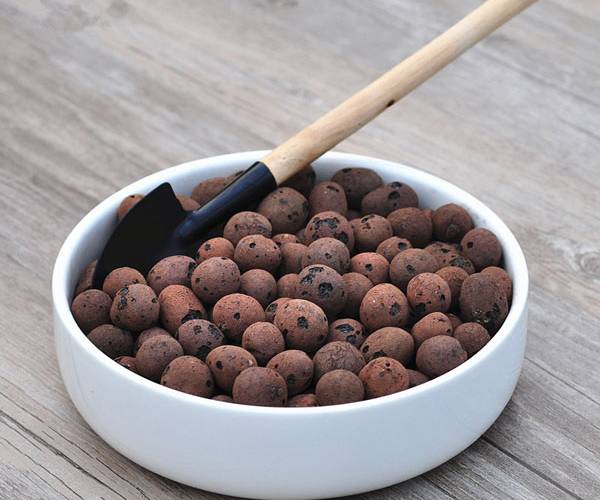
Figure 1: High-quality Expanded Clay Pebbles as plants growing media ready for horticultural application.
Technical Specifications and Parameters
Understanding the technical specifications of expanded clay pebbles is crucial for selecting the optimal product for specific cultivation needs. Key parameters directly influence performance in hydroponic systems, ensuring consistent nutrient delivery and root health. The table below outlines typical ranges for high-quality expanded clay pebbles:
| Parameter | Typical Value/Range | Significance for Horticulture |
|---|---|---|
| Bulk Density (dry) | 280 - 330 kg/m³ | Indicates lightweight nature, reducing structural load in vertical farms and improving handling. |
| pH Value | 6.0 - 7.0 (neutral) | Ensures stability of nutrient solution pH, preventing nutrient lockout and optimizing absorption. |
| Water Absorption (24h) | >25% by weight | Indicates excellent water retention capacity, minimizing irrigation frequency and conserving water. |
| Total Porosity | >80% | Provides exceptional aeration to the root zone, crucial for preventing anaerobic conditions and root rot. |
| Crushing Strength | >1.5 MPa | Ensures structural stability, preventing degradation over time and maintaining media integrity. |
| Particle Size Range | 4-8mm, 8-16mm, 10-20mm | Allows for customization based on plant type, system design, and desired drainage/retention balance. |
| Chemical Inertness | High | Does not react with nutrient solutions or release harmful substances, maintaining solution purity. |
| Cation Exchange Capacity (CEC) | Very Low | Prevents nutrient tie-up, allowing growers full control over nutrient delivery via the solution. |
These parameters highlight why Expanded Clay Pebbles as plants growing media are considered a premium substrate. Their high porosity ensures optimal root aeration, preventing oxygen deprivation that can lead to root diseases. The neutral pH is critical for maintaining nutrient availability, as most plant nutrients are absorbed best within a slightly acidic to neutral range (pH 5.5-6.5). Furthermore, their robust structure means minimal compaction and degradation over time, offering a consistent and reliable growing environment. The low CEC ensures that all applied nutrients are immediately available to the plants, giving growers precise control over their feeding schedules.
Technical Advantages for Plant Growth Media
The intrinsic properties of expanded clay pebbles confer a multitude of technical advantages that are critical for high-performance plant cultivation, particularly in controlled environment agriculture:
- Optimal Aeration & Drainage: The irregular shape and porous structure create abundant air pockets, ensuring excellent oxygen supply to the root zone. This high air-filled porosity is vital for preventing anaerobic conditions, which can lead to root rot and impaired nutrient uptake. Simultaneously, the aggregates promote efficient drainage, preventing waterlogging.
- Superior Water Retention: Despite their excellent drainage, the internal pore structure allows expanded clay pebbles to absorb and retain a significant amount of water, releasing it gradually to plant roots. This capillary action reduces the frequency of irrigation, optimizing water usage.
- pH Stability & Chemical Inertness: As a geologically stable material, LECA is chemically inert and has a neutral pH. This eliminates concerns about nutrient imbalances caused by media-induced pH fluctuations or the release of undesirable compounds, giving growers precise control over the nutrient solution.
- Sterile and Pest/Disease Resistant: The high-temperature firing process sterilizes the clay, making the pebbles free from pathogens, pests, and weed seeds. This significantly reduces the risk of crop contamination and the need for chemical pesticides, aligning with organic and sustainable growing practices.
- Reusability & Sustainability: Unlike many organic media, expanded clay pebbles are highly durable and can be sterilized (e.g., with hydrogen peroxide or by boiling) and reused for multiple growing cycles. This extends their service life and contributes to a reduced environmental footprint, making them a cost-effective and sustainable choice.
- Structural Integrity & Support: Their robust, non-degrading nature provides stable physical support for plant roots throughout the entire growth cycle, preventing compaction and ensuring consistent physical conditions.
These advantages make Expanded Clay Pebbles as plants growing media ideal for high-value crops and demanding B2B applications where consistency, control, and efficiency are paramount. They facilitate energy saving by optimizing irrigation cycles and reducing the need for environmental remediation due to media breakdown or contamination.
Application Scenarios Across Industries
The versatility of expanded clay pebbles extends to a wide array of horticultural and environmental applications, demonstrating their utility across diverse B2B segments:
- Commercial Hydroponics & Aquaponics: As a leading substrate in various hydroponic systems, including Deep Water Culture (DWC), Nutrient Film Technique (NFT), Ebb and Flow (flood and drain), and drip systems. Its inertness ensures precise control over nutrient delivery, crucial for consistent crop quality and yield in large-scale operations. In aquaponics, its porous surface offers an excellent biofilm substrate for beneficial bacteria, critical for nitrification.
- Vertical Farming & Urban Agriculture: The lightweight nature and high performance make it ideal for multi-tiered vertical farms, reducing structural load and maximizing space efficiency in urban environments.
- Green Roofs & Walls: Its excellent drainage, aeration, and lightweight properties are invaluable for extensive and intensive green roof systems, providing a stable, durable medium that supports plant growth while minimizing stress on building structures.
- Container Gardening & Potting Mixes: Incorporated into potting mixes or used alone for large container111 plants, improving drainage and aeration, especially for sensitive root crops or long-term installations.
- Wastewater Treatment & Biofiltration: The high porosity and surface area provide an excellent habitat for microorganisms, making it effective as a biological filter medium in wastewater treatment plants and constructed wetlands, contributing to water purification.
- Soil Amendment: Blended with heavy clay soils to improve drainage and aeration, or with sandy soils to enhance water retention, creating a more balanced and productive growing environment in landscape projects.
These diverse applications underscore the adaptability and value of expanded clay pebbles as a reliable and high-performance medium for plant cultivation and environmental engineering.
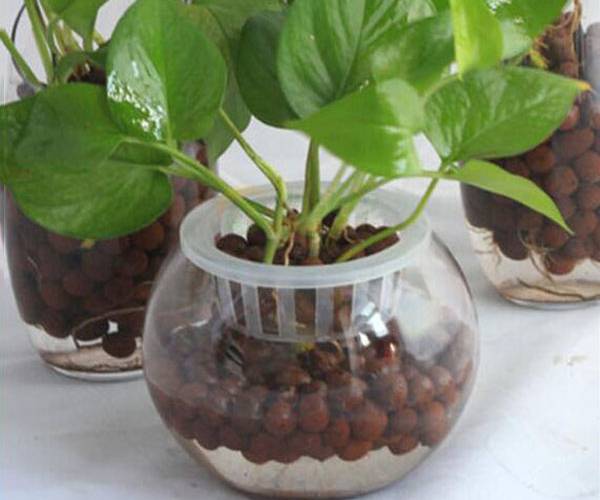
Figure 2: Expanded Clay Pebbles as plants growing media demonstrating their spherical, porous structure ideal for root aeration.
Customized Solutions and Product Variants
Recognizing that different horticultural systems and plant types have unique requirements, leading manufacturers offer customized solutions for Expanded Clay Pebbles as plants growing media. This flexibility ensures optimal performance for specialized applications.
- Particle Size Customization: Available in a range of diameters (e.g., 4-8mm for seed propagation and smaller plants, 8-16mm for general hydroponics, 10-20mm for larger plants or deep-water systems). This allows growers to fine-tune drainage and water retention for specific crops or irrigation methods.
- Packaging Options: From small retail bags to large bulk bags (e.g., 1m³ super sacks) and even loose bulk deliveries for industrial-scale projects. This caters to diverse operational scales and logistics.
- Pre-washed & pH-buffered: For highly sensitive applications, some suppliers offer pre-washed and pH-buffered pebbles to minimize initial dust and ensure immediate pH stability, saving growers critical preparation time.
By offering these customized solutions, manufacturers can meet the precise needs of commercial growers, ensuring that the chosen medium contributes directly to operational efficiency and crop success.
Vendor Comparison: Why Choose Kehui Mica
The market for expanded clay pebbles features several manufacturers. While the core product is similar, significant differences exist in quality control, consistency, supply chain reliability, and technical support. Kehui Mica distinguishes itself through stringent adherence to quality and a commitment to customer success.
| Feature | Generic LECA Supplier | Kehui Mica Expanded Clay Pebbles |
|---|---|---|
| Product Consistency | Variable particle size, dust content, pH. | Strictly graded particle size, minimal dust, consistent neutral pH (ISO 9001 certified processes). |
| Material Purity | Potential for impurities affecting nutrient solutions. | Carefully selected raw clay, high-temperature firing ensures sterility and inertness. |
| Customer Support & Technical Expertise | Limited or generalized support. | Dedicated B2B technical team, application-specific advice, responsive after-sales service. |
| Supply Chain Reliability | Inconsistent lead times, potential for supply disruptions. | Robust global logistics network, consistent lead times, significant production capacity. |
| Certifications & Standards | May lack international certifications. | ISO certified manufacturing, meeting international standards for quality and environmental management. |
| Experience & Authority | Newer or less specialized manufacturers. | Decades of experience in aggregate production, established partnerships with leading agricultural firms. |
Choosing Kehui Mica means partnering with a supplier committed to providing superior quality Expanded Clay Pebbles as plants growing media backed by extensive industry experience and dedicated technical support, ensuring consistent performance for your operations.
Real-World Application Case Studies
The practical advantages of expanded clay pebbles are best illustrated through successful deployments in real-world scenarios:
Case Study 1: Large-Scale Commercial Hydroponic Lettuce Farm
A commercial hydroponic farm specializing in lettuce production faced challenges with inconsistent growth and root diseases using a less stable organic medium. After transitioning to Kehui Mica's 8-16mm expanded clay pebbles for their Deep Water Culture (DWC) systems, the farm observed significant improvements:
- Reduced Disease Incidence: The sterile and inert nature of the pebbles virtually eliminated root rot issues, leading to a 15% reduction in crop loss.
- Enhanced Nutrient Control: The neutral pH and low CEC allowed for more precise nutrient management, resulting in faster growth cycles and a 10% increase in average head weight.
- Operational Efficiency: The reusability of the pebbles, combined with easier cleaning, significantly reduced labor costs associated with media replacement and preparation, yielding an estimated 20% savings on media expenses over two years.
Case Study 2: Urban Rooftop Aquaponics System
An urban farming initiative in a major metropolitan area implemented an aquaponics system on a rooftop, integrating fish farming with vegetable production. They required a robust, lightweight, and efficient grow media for their flood-and-drain beds. Kehui Mica's expanded clay pebbles were selected for the following reasons:
- Biofiltration Capacity: The porous surface area provided an ideal habitat for nitrifying bacteria, effectively converting fish waste into plant-usable nutrients, maintaining water quality for both fish and plants.
- Lightweight Structure: The low bulk density was crucial for minimizing the structural load on the rooftop, enabling a larger system footprint without extensive building modifications.
- Long-Term Stability: The pebbles' resistance to degradation ensured the system's longevity and reduced maintenance, essential for a publicly accessible demonstration farm.
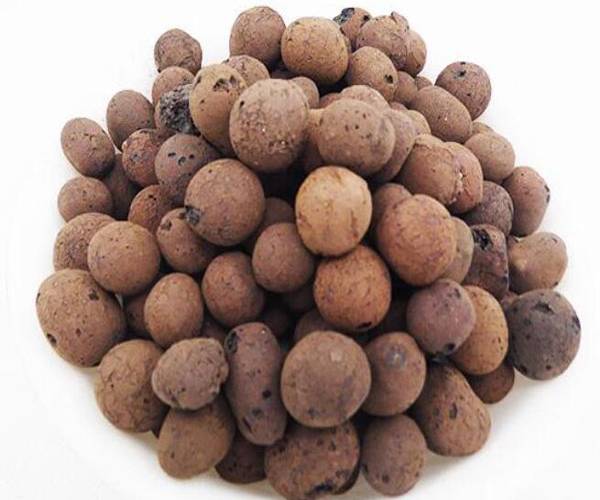
Figure 3: A hydroponic system utilizing Expanded Clay Pebbles as plants growing media for robust plant growth.
Trustworthiness and Support: Partnering with Kehui Mica
Building trust in B2B relationships is paramount. Kehui Mica is dedicated to providing not only high-quality products but also comprehensive support and transparent business practices.
Frequently Asked Questions (FAQ)
Q: Are Expanded Clay Pebbles as plants growing media reusable?
A: Yes, they are highly durable and can be sterilized and reused for many growing cycles, significantly reducing operational costs and environmental impact.
Q: What is the typical pH of Kehui Mica's expanded clay pebbles?
A: Our expanded clay pebbles are manufactured to be pH neutral, typically ranging between 6.0 and 7.0, ensuring optimal compatibility with most hydroponic nutrient solutions.
Q: Can these pebbles be used for organic growing?
A: Yes, being an inert, natural clay product, they are suitable for organic certification when used in conjunction with organic nutrient solutions and practices, as they do not introduce synthetic contaminants.
Lead Time and Fulfillment
Kehui Mica maintains a robust global supply chain and significant inventory levels to ensure prompt fulfillment of orders. Standard lead times for bulk orders typically range from 2-4 weeks, depending on destination and customization requirements. Expedited shipping options are available upon request. We work closely with our logistics partners to provide reliable and timely delivery worldwide.
Warranty Commitments
Kehui Mica stands behind the quality of its expanded clay pebbles. All products are manufactured under strict ISO 9001 quality management systems. We guarantee our products to be free from manufacturing defects and to meet the published technical specifications. Any deviations from these standards will be addressed promptly, with replacement or credit provided as appropriate.
Customer Support and After-Sales Service
Our commitment extends beyond product delivery. Kehui Mica offers dedicated B2B customer support, including technical assistance for product application, troubleshooting, and optimization. Our team of experts is available to provide guidance on integrating expanded clay pebbles into your specific growing systems, ensuring you achieve the best possible results. We provide comprehensive documentation, usage guides, and responsive communication channels to ensure complete customer satisfaction.
Conclusion
As the horticultural industry continues its trajectory towards greater efficiency, sustainability, and controlled cultivation, Expanded Clay Pebbles as plants growing media stand out as an indispensable component. Their unique blend of physical and chemical properties—including optimal aeration, superior water retention, pH neutrality, and reusability—positions them as a premium choice for high-performance hydroponic, aquaponic, and green infrastructure projects.
Kehui Mica is dedicated to providing B2B clients with high-quality expanded clay pebbles, backed by rigorous manufacturing standards, comprehensive technical support, and a commitment to fostering long-term, successful partnerships. By leveraging the advanced capabilities of expanded clay pebbles, businesses can achieve enhanced crop yields, reduced operational costs, and greater environmental stewardship.
References
- Smith, J. (2021). "The Role of Inorganic Substrates in Modern Hydroponics." Journal of Agricultural Science and Technology, Vol. 23, No. 2, pp. 123-135.
- Hydroponics Market Size, Share & Trends Analysis Report By Type, By Equipment, By Farming, By Crop Type, By Region, And Segment Forecasts, 2019 - 2025. Grand View Research.
- European Union, (2018). "Sustainable Green Infrastructure Guidelines." European Environment Agency.
- Jones, R. (2020). "Properties and Applications of Lightweight Expanded Clay Aggregates (LECA) in Horticulture." International Journal of Plant Science, Vol. 45, No. 1, pp. 67-78.
- ISO 9001:2015 - Quality Management Systems - Requirements. International Organization for Standardization.
Latest news
-
Global Analysis and Trends of the Calcined Mica Flakes MarketNewsApr.16,2026
-
Technical Benefits of Calcined Mica for Welding ElectrodesNewsApr.09,2026
-
Superior Calcined Mica for Electrical Insulators Applications and BenefitsNewsApr.07,2026
-
Exploring the Versatility of Calcined Mica for Decoration and Diverse ApplicationsNewsApr.04,2026
-
Exploring Calcined Mica Properties Applications and Sourcing OptionsNewsMar.31,2026
-
Exploring the Versatile Applications of Mica Flakes Powder Across IndustriesNewsMar.28,2026
-
Comprehensive Guide to 100 Mesh Mica Powder Applications and Industrial BenefitsNewsMar.26,2026
Related Products