Field Notes: Calcined Mica/Dehydrated Mica for welding, insulation, and beyond
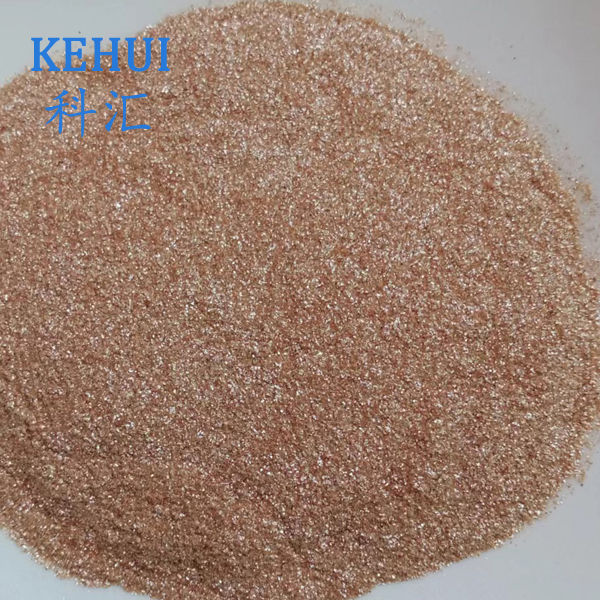
I’ve spent enough time in plants from Hebei to Hamburg to know one thing: when people say “golden mica,” they often mean the elegantly stable, heat-treated stuff from Nanjialiang Village, Lingshou County, Shijiazhuang, Hebei. That brilliant golden flake? It’s not just pretty—it’s functional. In fact, demand is quietly rising as EVs, high-temperature coatings, and better welding electrodes lean on reliable electrical and thermal behavior.
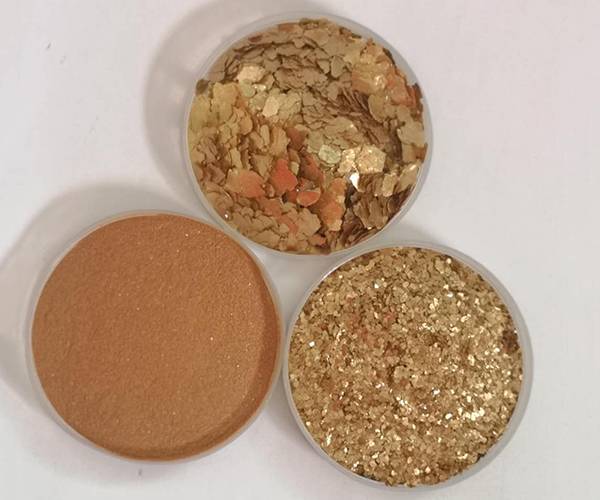
What it is—and why it looks golden
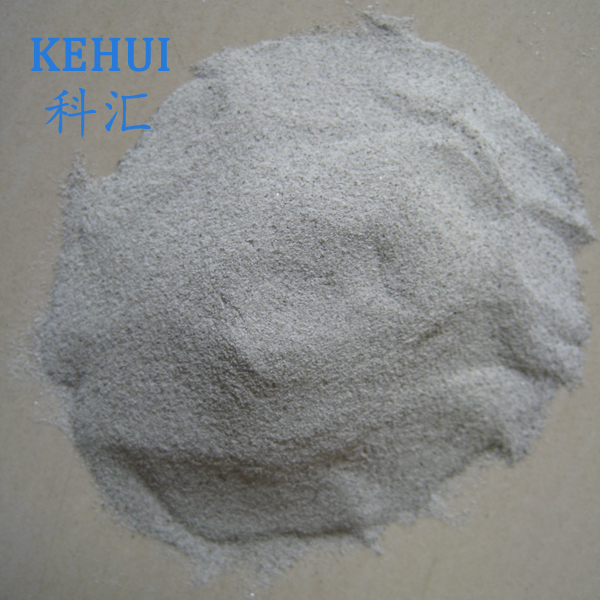
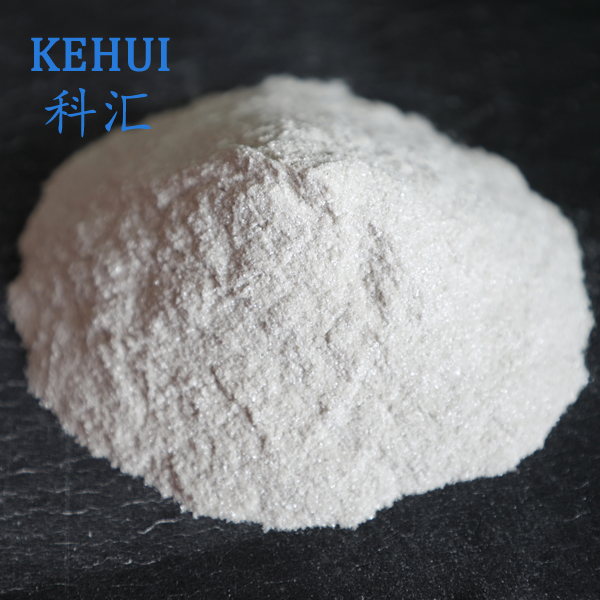
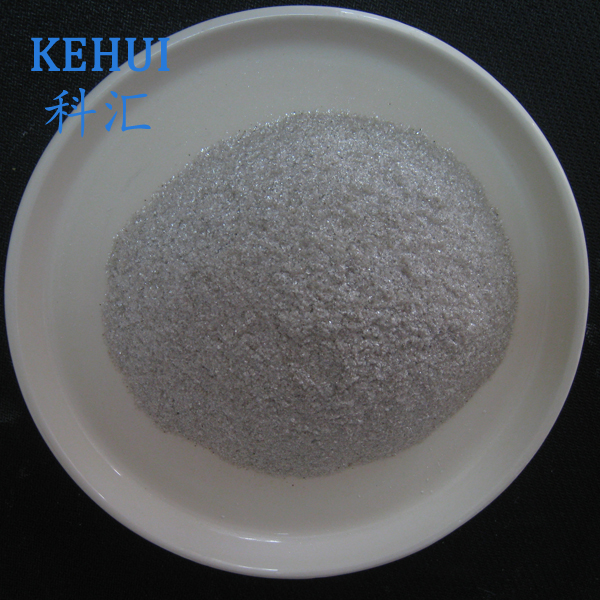
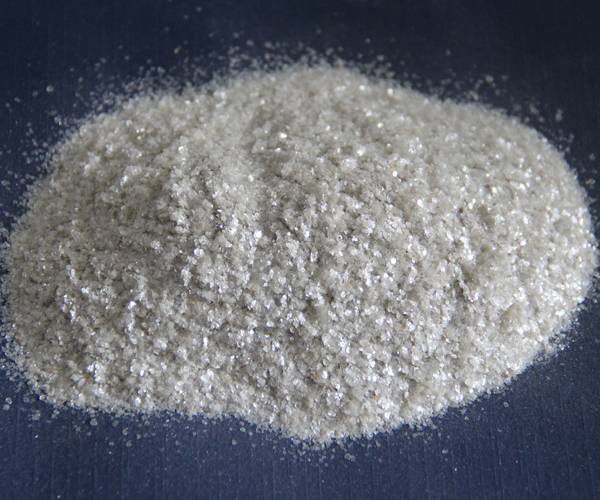
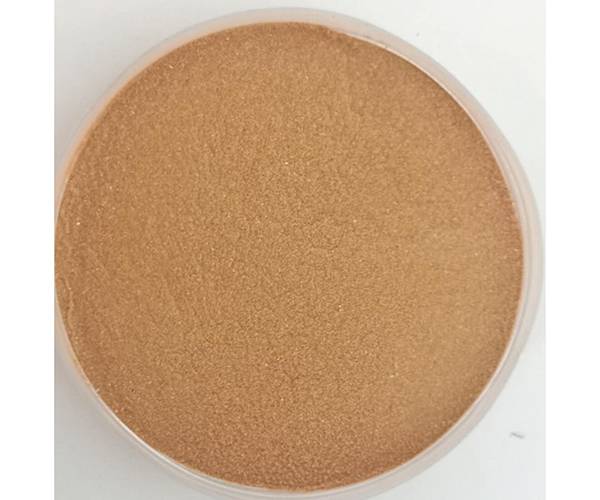
After dehydration at ≈800–900°C (real-world ranges vary by ore and target properties), Calcined Mica/Dehydrated Mica loses interlayer water, stiffens, and picks up that signature golden luster. Typical grades run 1–8 mesh, 10–20 mesh, 40 mesh, 60 mesh, and 100 mesh. From there, it’s washed, classified, and screened. Quality teams check moisture, sieve cuts, loss on ignition (LOI), and dielectric behavior. Service life in insulation stacks? Often 10–15 years, sometimes more, assuming sane temperatures and no harsh contaminants.
Process flow (quick version)
Ore selection (muscovite/phlogopite) → crushing → calcination (controlled kiln, O2 and ramp profile matter) → cooling → washing/de-dusting → screening (1–8 to 100 mesh) → QC (ASTM/IEC methods) → packaging (PE-lined bags or jumbo).
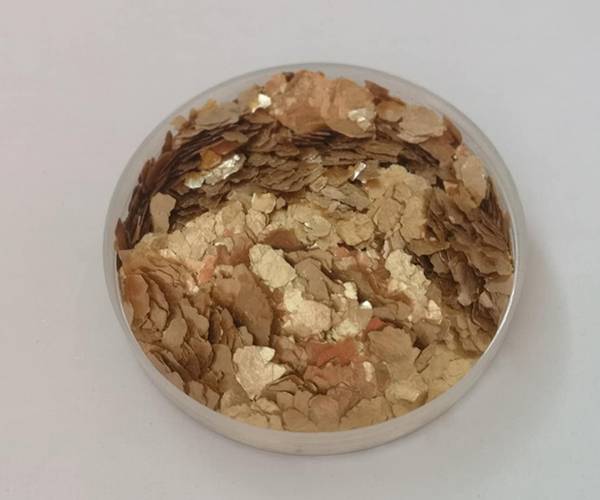
Why engineers pick it
- Electrical insulation: stable dielectric constant and high volume resistivity.
- Thermal/chemical stability: holds up in electrode fluxes and refractory binders.
- Platy morphology: barrier effect in coatings and construction panels.
- Color: that clean golden tone many customers say “sells” premium finishes.
Typical product specifications (representative)
| Mesh sizes | 1–8, 10–20, 40, 60, 100 mesh |
| Color | Golden (brilliant), around uniform |
| Moisture | ≤0.5% (typical, real-world may vary) |
| Bulk density | ≈0.45–0.70 g/cm³ (by mesh) |
| Dielectric constant (1 kHz) | ≈6–7 (ASTM D150) |
| Volume resistivity | ≥1×10^13 Ω·cm (ASTM D257) |
| LOI (at 1000°C) | ≤1.5% typical |
| Packaging | 25 kg PE-lined bags / 1 MT jumbo |
Applications (real plants, real constraints)
Welding electrodes and special welding materials (flux stability, arc consistency), electrical insulation systems (mica composites per IEC 60371), building boards and fire-retardant laminates, and decorative coatings where a clean golden glint is desired. I guess the sleeper application lately is heat-resistant sealants and potting compounds for motors—in EVs, that’s becoming mainstream.
Vendor snapshot (buyers keep asking me this)
| Vendor | Origin | Mesh range | Certs | Lead time | Notes |
|---|---|---|---|---|---|
| KeHui (Hebei) | Lingshou, China | 1–8 to 100 mesh | ISO 9001, RoHS/REACH | ≈7–15 days | Good color consistency; custom moisture specs |
| Vendor A (Import) | Mixed | 10–100 mesh | ISO 9001 | ≈3–5 weeks | Some lot-to-lot color variation |
| Vendor B (Regional) | Domestic | 40–100 mesh | Basic QC | ≈2–3 weeks | Budget option; fewer test reports |
Customization and testing
Custom cuts (1–8 to 200 mesh by request), tighter moisture control, silane/adhesion promoter treatments for polymer systems, and special packaging for low-dust lines are common. Testing usually references ASTM D150/D257 (dielectric), IEC 60371 (mica-based insulation), and, for welding users, alignment with AWS A5.x electrode performance—mica is a component, but flux behavior is tracked against those electrode specs.
Mini case notes
- Welding rod plant (E6013 line): swapping to Calcined Mica/Dehydrated Mica 40–60 mesh cut reduced moisture pickup ≈0.2% and cut spatter complaints by 8% month-on-month.
- Motor rewind shop: mica-filled varnish with Calcined Mica/Dehydrated Mica improved corona resistance and trimmed hotspot rise ≈3–5°C in endurance testing.
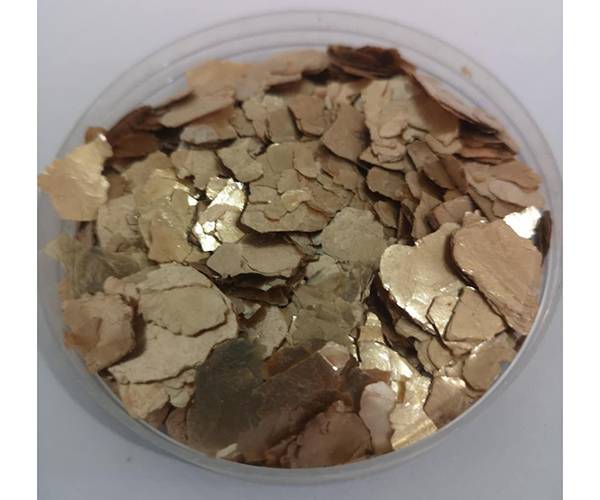
Final thought: Specifications matter, yes, but so does consistency. If you’re qualifying a new lot, ask for ASTM/IEC test data, sieve analysis, and a moisture profile. It seems that the better vendors are happy to send full COAs—and frankly, that’s a good sign.
Authoritative references
- IEC 60371: Insulating materials based on mica for electrical purposes. IEC.
- ASTM D150: Dielectric Constant and Dissipation Factor of Electrical Insulating Materials. ASTM International.
- ASTM D257: DC Resistance or Conductance of Insulating Materials. ASTM International.
- AWS A5.1/A5.x: Specification for Carbon Steel (and related) Electrodes. American Welding Society.
- ISO 9001: Quality Management Systems—Requirements. ISO.
Latest news
-
Global Analysis and Trends of the Calcined Mica Flakes MarketNewsApr.16,2026
-
Technical Benefits of Calcined Mica for Welding ElectrodesNewsApr.09,2026
-
Superior Calcined Mica for Electrical Insulators Applications and BenefitsNewsApr.07,2026
-
Exploring the Versatility of Calcined Mica for Decoration and Diverse ApplicationsNewsApr.04,2026
-
Exploring Calcined Mica Properties Applications and Sourcing OptionsNewsMar.31,2026
-
Exploring the Versatile Applications of Mica Flakes Powder Across IndustriesNewsMar.28,2026
-
Comprehensive Guide to 100 Mesh Mica Powder Applications and Industrial BenefitsNewsMar.26,2026
Related Products