Expanded Perlite That Actually Works in Real-World Horticulture
If you’ve repotted a houseplant lately or toured a commercial greenhouse, you’ve seen the white, popcorn-like flecks lightening the mix. That’s Expanded Perlite in Horticulture, and—believe it or not—the story behind those flecks is more interesting than it looks. I’ve visited the source in Hebei before; the supply chain is surprisingly tight and, when done right, very consistent.
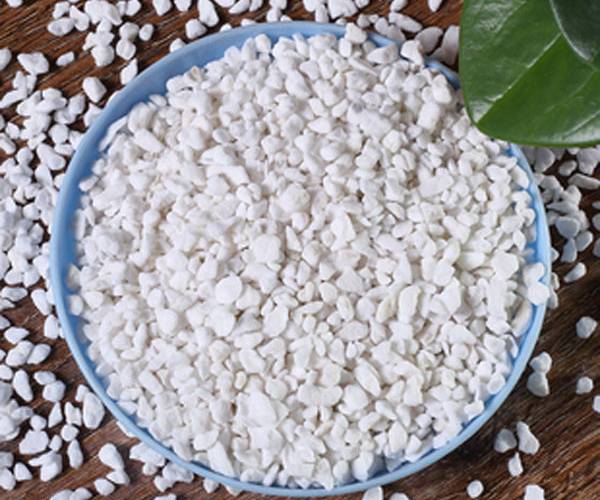
What’s Driving Demand (and What Growers Ask For)
Two big trends: the global shift to soilless substrates for disease control, and hydroponics scaling in leafy-greens. Many customers say they want cleaner, low-EC perlite with repeatable particle sizing that blends easily with coco or peat. Honestly, consistency beats fancy branding every time.
Origin and Material Flow
Source: Nanjialiang Village, Lingshou County, Shijiazhuang City, Hebei, China. Feedstock is a volcanic glass ore. Process, in brief:
- Materials: screened perlite ore with controlled SiO2/Al2O3; moisture ≈2–5%.
- Method: rapid expansion at ≈850–1000°C; the bound water flashes to steam, creating a lightweight, vesicular granule.
- Post: quench, de-dust, grade (1–3mm, 2–4mm, 3–6mm, 4–8mm), quality checks, bagging.
Testing standards typically referenced: particle size distribution by ASTM E11/ISO 3310-1 sieves; bulk density via ASTM C29; lightweight aggregate properties cross-checked to EN 13055; moisture/volatile checks and simple pH/EC soak tests. Service life? In substrates, the mineral itself is inert; in practice I see 3–5 hydroponic crop cycles (with sterilization) or 5–10 years in beds before attrition suggests topping up.
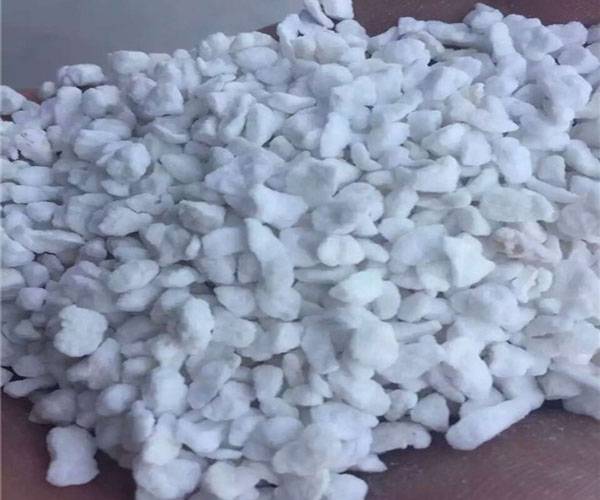
Product Specs (horticultural grade)
| Parameter | Typical Value | Notes |
|---|---|---|
| Particle sizes | 1–3mm, 2–4mm, 3–6mm, 4–8mm | Screened; real-world distributions may vary (ASTM E11) |
| Bulk density (loose) | ≈80–120 kg/m³ | ASTM C29 method |
| Water-holding capacity | ≈200–350% w/w | Depends on grade and compaction |
| pH (1:5 H2O) | 6.5–7.5 | Inert, non-buffering |
| EC (dS/m) | ≤0.2 | Low-salinity for seedlings/hydroponics |
Certifications often requested: ISO 9001 for quality systems, REACH compliance for EU, SDS availability; some buyers ask for OMRI-listed versions (if uncoated and compliant—check local rules).
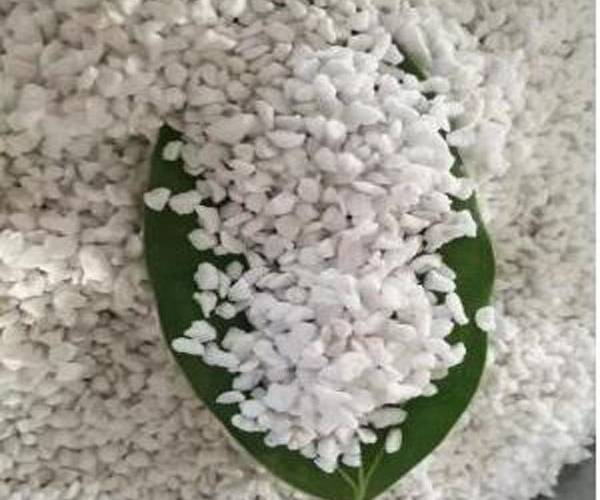
Where It Excels
- Potting soil lightening and drainage for ornamentals and edibles.
- Hydroponics and aquaponics as a sterile, inert medium.
- Propagation: seed starting trays and cutting mixes (root oxygenation is stellar).
- Greenhouses, rooftop gardens, mushroom casing blends.
One grower told me, “Switching to a 50:50 coco:Expanded Perlite in Horticulture blend cut our overwatering issues in half.” It tracks with the physics—air-filled porosity increases, roots breathe.
Vendor Snapshot (indicative)
| Vendor | Origin | Sizes | Certs | Lead Time | Customization |
|---|---|---|---|---|---|
| Kehuimica (Hebei) | China | 1–3, 2–4, 3–6, 4–8mm | ISO 9001, SDS; REACH-ready | ≈2–4 weeks | Custom grading, bag print, dust control |
| EU Supplier (typ.) | EU | Fine to coarse | CE/EN 13055, SDS | ≈2–6 weeks | Palletization, white-label |
| US Supplier (typ.) | USA/MX | Hort. grades | SDS; OMRI options | ≈1–3 weeks | Blends (peat/coco-perlite) |
Customization and QC
Kehuimica offers tight sieving, low-dust packaging, sterile bagging, and private labels. QC usually includes sieve analysis, bulk density checks per lot, and soak pH/EC. Real-world performance may vary with transport compaction—fluff the bags before blending.
Mini Case Files
Hydroponic lettuce farm: Switched from rockwool to 2–4mm perlite in net pots; reported faster dry-backs and more precise fertigation windows, with uniform head size over three cycles.
Citrus nursery: Added 30% 3–6mm perlite to peat/coco blend; root rot incidents dropped, and transplant shock was visibly reduced. Anecdotal, yes—but it aligns with oxygenation data.
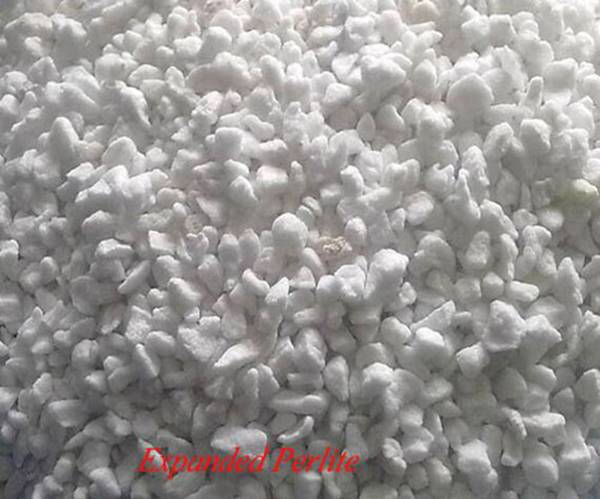
Bottom Line
If you need simple, dependable drainage and air-filled porosity, Expanded Perlite in Horticulture is still the most predictable lever you can pull. Pair the grade to the job—finer for propagation, coarser for container111 citrus—and insist on documented sieve and EC data.
References
- USGS Mineral Commodity Summaries: Perlite (2024). https://pubs.usgs.gov/periodicals/mcs2024/
- ASTM E11: Standard Specification for Woven Wire Test Sieve Cloth and Test Sieves. https://www.astm.org/
- FAO: Soilless Culture (Hydroponics) – Principles and Practices. https://www.fao.org/
- EN 13055: Lightweight aggregates. https://standards.cen.eu/
- OMRI Generic Materials List – Mined Minerals. https://www.omri.org/
- ISO 9001: Quality Management Systems. https://www.iso.org/
Latest news
-
Global Analysis and Trends of the Calcined Mica Flakes MarketNewsApr.16,2026
-
Technical Benefits of Calcined Mica for Welding ElectrodesNewsApr.09,2026
-
Superior Calcined Mica for Electrical Insulators Applications and BenefitsNewsApr.07,2026
-
Exploring the Versatility of Calcined Mica for Decoration and Diverse ApplicationsNewsApr.04,2026
-
Exploring Calcined Mica Properties Applications and Sourcing OptionsNewsMar.31,2026
-
Exploring the Versatile Applications of Mica Flakes Powder Across IndustriesNewsMar.28,2026
-
Comprehensive Guide to 100 Mesh Mica Powder Applications and Industrial BenefitsNewsMar.26,2026
Related Products